
SEO
Unlocking Amazon SEO: Strategies to Improve Your Product's Visibility
Jan 25, 2025

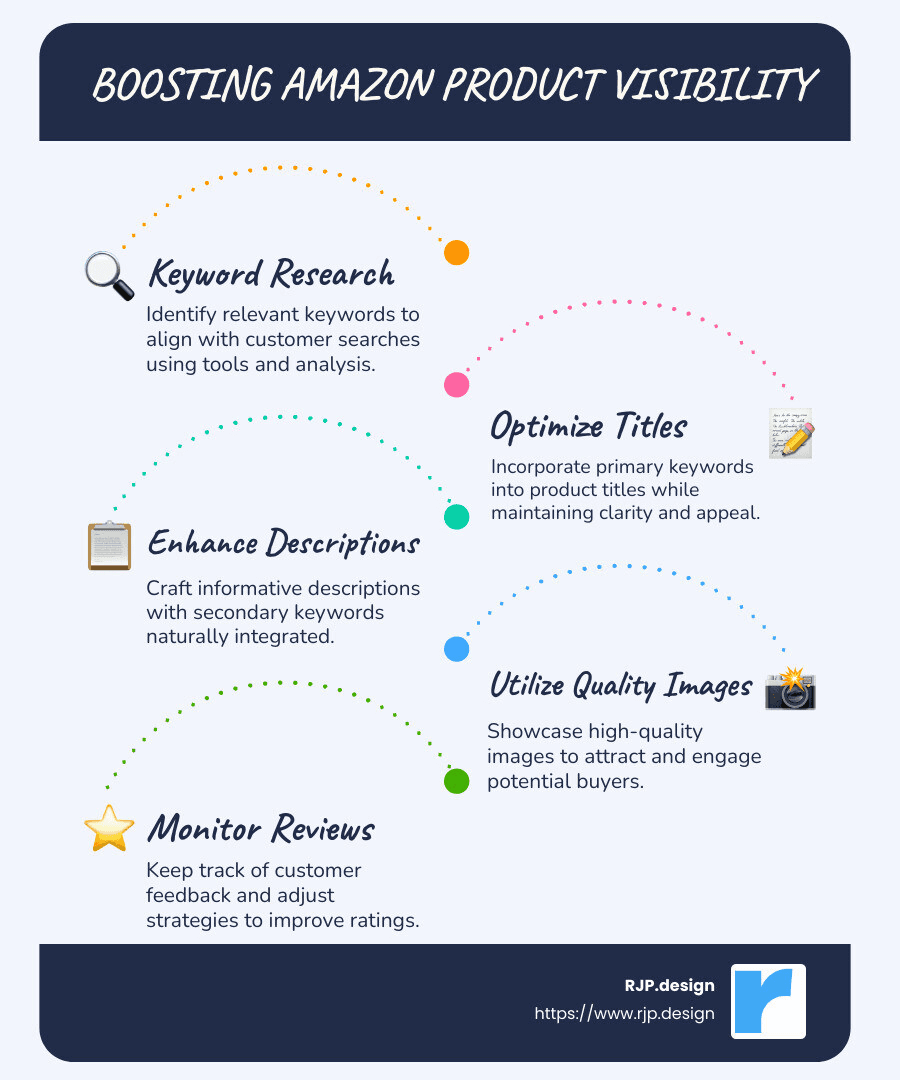
Amazon ranking seo is an essential strategy for businesses looking to improve their product visibility and boost sales. For those in a hurry, here’s a quick guide:
Research relevant keywords to match customer searches.
Optimize your product titles and descriptions with those keywords.
Use high-quality images to attract potential buyers.
Monitor customer reviews and adjust based on feedback.
When millions of products compete for attention, understanding how to effectively climb Amazon’s search rankings can be the difference between success and obscurity. Amazon SEO is your ticket to reaching more customers and increasing sales, but it’s more than just picking the right keywords—it’s about crafting compelling listings that resonate with potential buyers.
I’m Ross Plumer, an expert in Amazon ranking seo, with a background in digital marketing and businesses generating significant revenue. I integrate psychology and strategic insights to lift your Amazon game and ensure product visibility success.
Similar topics to amazon ranking seo:
– SEO ranking improvement
– search engine optimization price
– seo consultant price
What is Amazon SEO and Why It Matters
Amazon SEO is the art and science of optimizing your product listings to appear higher in Amazon’s search results. Think of it as your secret weapon for making your products more visible to potential customers. And in a marketplace as vast as Amazon, visibility is everything.
Product Visibility
When shoppers search for products, they rarely look beyond the first few pages of results. This means if your listing isn’t ranking well, it’s almost invisible. By using effective Amazon ranking SEO strategies, you can ensure your products appear prominently in search results. This visibility is crucial because it directly impacts how many people see your product and, ultimately, how many buy it.
Brand Visibility
Beyond individual products, Amazon SEO is also about building your brand’s presence on the platform. A consistent and well-optimized series of listings can improve your brand’s recognition and trust. When customers repeatedly see your brand in their searches, it builds familiarity and can increase the likelihood of them choosing your products over competitors.
Sales Increase
The ultimate goal of Amazon SEO is to boost sales. By improving your product’s visibility and enhancing brand recognition, you naturally drive more traffic to your listings. More traffic means more potential buyers, which translates to higher sales.
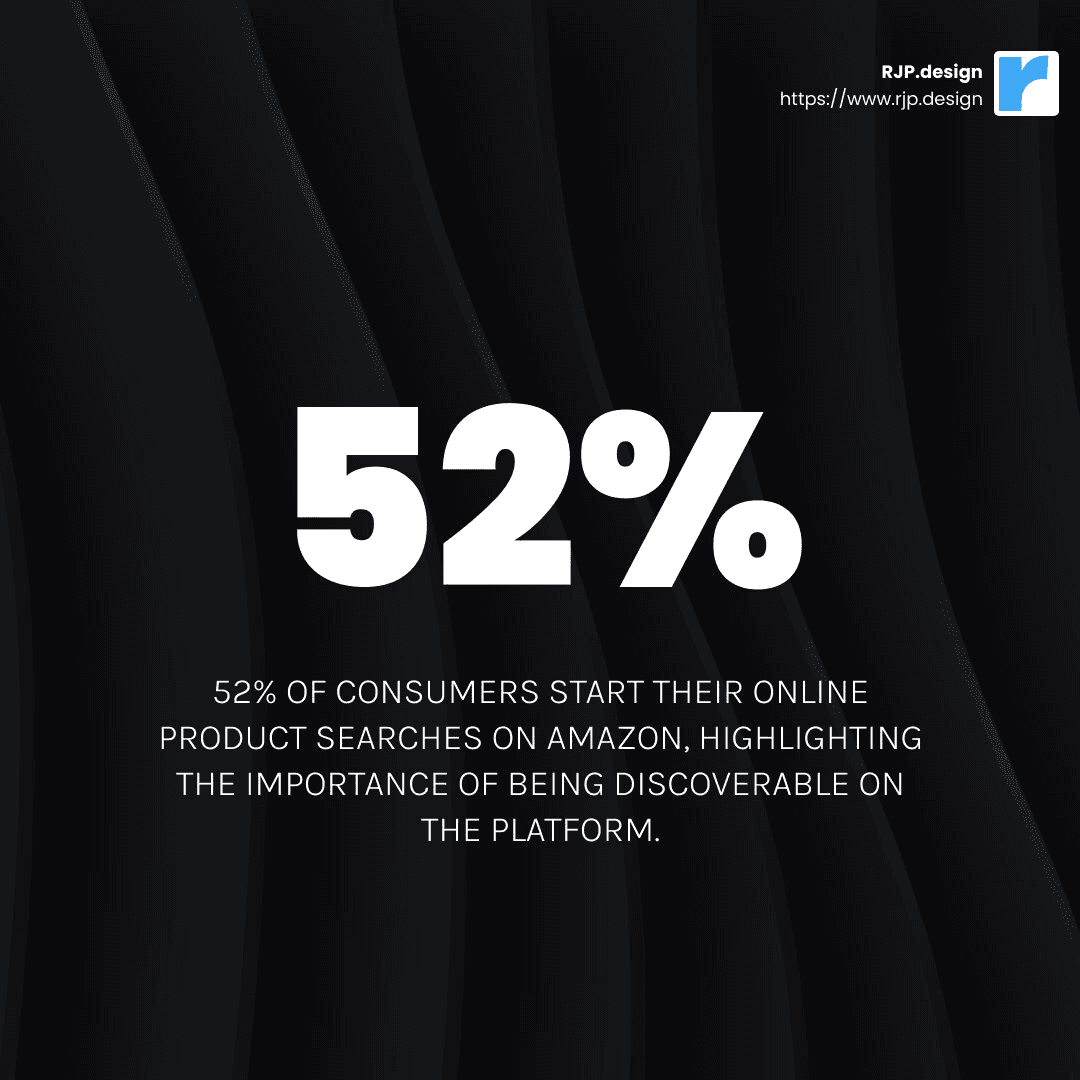
In fact, it’s reported that 52% of consumers start their online product searches on Amazon. This underscores the importance of being easily findable on the platform.
In conclusion, Amazon SEO is not just a nice-to-have; it’s a must-have for any seller looking to thrive in this competitive marketplace. By focusing on optimizing your product listings, you not only increase the chances of making a sale but also strengthen your brand’s presence on Amazon.
Next, we’ll dive into how Amazon’s A10 Algorithm works and why understanding it is key to mastering Amazon SEO.
How Amazon’s A10 Algorithm Works
Amazon’s A10 algorithm is the engine that drives your product’s visibility on the platform. Unlike search engines like Google, the A10 algorithm is designed specifically for transactional intent. This means it’s laser-focused on showing products that are most likely to lead to a purchase.
Transactional Intent
When customers search on Amazon, they’re usually ready to buy. The A10 algorithm picks up on this intent and prioritizes listings that are most likely to convert. It’s all about meeting the customer’s needs quickly and effectively.
Conversion Rate
Conversion rate is a critical factor for A10. This is the percentage of visitors to your product page who end up making a purchase. A higher conversion rate signals to Amazon that your product is relevant and appealing, which can boost your rankings. To improve this, focus on optimizing your product images, descriptions, and reviews.
Reviews
Customer reviews are more than just feedback—they’re a trust signal. Products with a high number of positive reviews tend to rank better. This is because reviews not only influence potential buyers but also indicate to Amazon that your product is well-received. Encourage satisfied customers to leave reviews to strengthen this aspect of your listing.
Sales History
Sales history plays a big role in how A10 ranks your products. Products with a strong sales track record are seen as reliable and popular. This historical data helps Amazon determine which listings should be showcased prominently. To build a solid sales history, consider strategies like promotions or Amazon PPC ads to drive initial sales.
Understanding the A10 algorithm is crucial for anyone serious about Amazon ranking SEO. By aligning your strategy with these key factors—transactional intent, conversion rate, reviews, and sales history—you can significantly improve your product’s visibility on Amazon.
Next, we’ll explore the seven key components of Amazon SEO and how each can be optimized for better results.
7 Key Components of Amazon SEO
To succeed in Amazon ranking SEO, you need to focus on several key components. These elements play a crucial role in making your product listings more visible and attractive to potential buyers. Let’s explore each one:
1. Conduct Keyword Research
Keywords are the foundation of Amazon SEO. Start by identifying both short-tail and long-tail keywords relevant to your products. Use the Amazon search box to see what customers are searching for and analyze competitors to find effective keywords. Tools like Product Opportunity Explorer can help you identify top search terms and trends.
2. Optimize Product Titles
Your product title is one of the first things a customer sees. Make sure it includes primary keywords and follows Amazon’s recommended format: Brand + Sub-brand + Model + Size + Description + Features. Keep it concise but informative, ensuring it captures the essence of your product from a customer’s perspective.
3. Craft Informative Product Descriptions
Product descriptions should be clear, engaging, and informative. Use secondary keywords naturally—avoid keyword stuffing. Explain the benefits and features of your product in a way that resonates with the buyer. Think of this section as your chance to tell a story about your product and why it’s the best choice.
4. Use Bullet Points Effectively
Bullet points make it easy for customers to scan key details quickly. Highlight essential features, benefits, and unique selling points. Keep them concise and formatted for easy reading. This improves the customer experience and can lead to higher conversion rates.
5. Add Back-End Search Terms
Don’t overlook the power of back-end keywords. These are terms that don’t appear on the product page but help Amazon’s algorithm understand your listing. Include synonyms, abbreviations, and other relevant terms. This expands your product’s reach without cluttering the visible content.
6. Showcase High-Quality Product Images
Images are vital in online shopping. Use high-quality images that showcase your product from multiple angles. Ensure they are clear, well-lit, and accurately represent your product. Don’t forget to add alt-text to images, which can improve accessibility and SEO.
7. Adjust Product Prices
Pricing strategy is a dynamic component of Amazon SEO. Competitive pricing can improve your product’s visibility and attractiveness. Use a revenue calculator to find the sweet spot that balances competitiveness with profitability. Consider automating your pricing to stay ahead of market changes.
By mastering these seven components, you can improve your product listings and boost your visibility on Amazon.
Next, we’ll dig into advanced Amazon SEO strategies that can take your listings to the next level.
1. Conduct Keyword Research
In the field of Amazon ranking SEO, keyword research is your first step to success. Think of it as the foundation of your entire strategy. The right keywords connect your products to the customers actively searching for them.
Start with Short-Tail and Long-Tail Keywords
Short-tail keywords are broad terms like “furniture” or “shoes.” They have high search volumes but also high competition. Long-tail keywords, such as “water-resistant lawn furniture” or “vegan leather brown loafers,” are more specific. They may attract fewer searches, but those searches often lead to higher conversion rates because they match the customer’s intent more closely.
Use the Amazon Search Box for Insights
The Amazon search box is a goldmine for keyword ideas. Simply type in a general term related to your product, and you’ll see a list of suggested searches. These suggestions reflect real customer queries and can guide you in choosing effective keywords.
Competitor Analysis
Peek into what your competitors are doing. Review their product listings to see which keywords they’re using. This can reveal opportunities you might have overlooked and help you understand what works in your niche.
Tools for Deeper Insights
Consider using tools like the Product Opportunity Explorer to uncover trending search terms and customer interest. These tools provide data on search volumes and other metrics, helping you focus on keywords that can drive traffic and sales.
By conducting thorough keyword research, you’re setting the stage for improved product visibility and higher sales on Amazon.
Next, we’ll explore how to optimize product titles effectively.
2. Optimize Product Titles
Your product title is one of the first things shoppers see, and it’s crucial for Amazon ranking SEO. A well-crafted title not only catches the eye but also helps Amazon’s algorithm understand what you’re selling.
Use Primary Keywords Wisely
Place your primary keywords at the beginning of your product title. This ensures that your product is easily found when customers search for these terms. The title should make sense to humans, not just algorithms.
Character Limit Considerations
Amazon allows up to 200 characters in product titles, but it’s wise to keep it concise. Aim for 60 to 80 characters to ensure your title is clear and easy to read. This helps in maintaining a neat and professional appearance on search results pages.
Think from the Customer’s Perspective
Consider what details matter most to your potential buyers. Include essential information like the product type, brand name, and key features (e.g., color, size). For example, instead of just “Blue Pillow Cases,” a title like “Good Sleep Collection, Blue Pillow Cases – Set of 2” provides more context and appeal.
Avoid Unnecessary Details
Avoid cluttering your title with promotional phrases like “free shipping” or unnecessary details like size and color variations if they can be found elsewhere on the product page. This keeps the focus on the most relevant information.
Consistency Across Listings
Maintain consistency in how you format your titles across similar products. This not only helps with brand recognition but also makes it easier for customers to find what they’re looking for.
Optimizing your product titles with these strategies can significantly improve your product’s visibility and attract the right audience. Up next, we’ll dive into crafting informative product descriptions that complement your optimized titles.
3. Craft Informative Product Descriptions
Creating a compelling product description is like telling a story about your product. It should be engaging, informative, and easy to understand. This is where you expand on the details mentioned in your title and highlight the unique features of your product.
Use Secondary Keywords Naturally
While your product title uses primary keywords, your description is the perfect place to sprinkle in those secondary keywords. This not only helps improve your Amazon ranking SEO, but it also provides a richer context for your product.
Write for Humans, Not Robots
Focus on natural writing. Imagine you’re explaining the product to a friend. Avoid jargon and keep sentences short and sweet. Your goal is to make the description enjoyable to read while still informative.
Avoid Keyword Stuffing
Keyword stuffing is when you cram too many keywords into your text, hoping to rank higher. But this can backfire. It makes the description hard to read and can actually hurt your rankings. Instead, use keywords sparingly and only where they make sense.
Highlight Key Features and Benefits
Use bullet points to list the main features and benefits of your product. This makes it easy for customers to scan and find the information they need. For example:
Material: 100% organic cotton
Size Options: Available in small, medium, and large
Color Choices: Blue, grey, and white
Tell a Story
Help the customer imagine using your product. Describe how it solves a problem or improves their life. If your product has won an award or has a professional endorsement, mention it here. This adds credibility and can sway a potential buyer.
Include Specific Details
Provide all the essential details like dimensions, materials, and care instructions. The more information you provide, the more confident a customer will feel about their purchase.
Crafting a thoughtful and informative product description not only boosts your visibility but also builds trust with your customers. Next, we’ll explore how to use bullet points effectively to highlight your product’s key details.
4. Use Bullet Points Effectively
Bullet points are the unsung heroes of a successful Amazon product listing. They offer a quick, digestible way for customers to learn about your product’s key details. When done right, bullet points can significantly improve the customer experience and your Amazon ranking SEO.
Why Bullet Points Matter
Bullet points are often the first thing customers notice after the product images and title. They provide a snapshot of what your product offers, helping potential buyers decide if it’s right for them. Effective bullet points can mean the difference between a sale and a missed opportunity.
Key Details to Include
When crafting bullet points, focus on the most important aspects of your product. Think about what customers care about most:
Size and Dimensions: Essential for products like clothing or furniture.
Material: Important for quality and durability.
Unique Features: What sets your product apart from the competition?
Usage Instructions: How to use the product effectively.
Compatibility: Works with specific devices or systems.
Formatting Tips
Formatting your bullet points properly is crucial for readability. Here are some tips to make them shine:
Start with a Strong Descriptor: Use a one- or two-word term to introduce the point. For example, “Size Options” or “Material.”
Be Concise: Keep each point under 100 characters if possible. Customers prefer brief, scannable information.
Capitalize the First Letter: This improves readability and gives a professional look.
Use Fragments: Full sentences aren’t necessary. Fragments are quicker to read and understand.
Improve Customer Experience
A well-structured set of bullet points makes it easier for customers to find the information they need. This not only improves their shopping experience but can also boost your conversion rates. Happy customers are more likely to make a purchase and leave a positive review.
Keep It Relevant
Avoid cluttering your bullet points with unnecessary details. Stick to information that directly relates to the customer’s needs. This keeps the focus on what truly matters and prevents overwhelming potential buyers.
By using bullet points effectively, you not only highlight your product’s strengths but also improve the overall shopping experience. Next, we’ll dive into the importance of adding back-end search terms to further improve your product’s visibility.
5. Add Back-End Search Terms
When it comes to Amazon ranking SEO, back-end search terms are your secret weapon. These are keywords that customers don’t see but play a crucial role in making your product more visible in search results. Let’s explore how to make the most of them.
What Are Back-End Keywords?
Back-end keywords are terms you add to your product’s catalog data that help Amazon’s search algorithm understand what your product is about. They don’t appear on the product page, but they are just as important as the visible keywords.
Why Use Back-End Keywords?
Think of back-end keywords as a spillover area for all those extra terms you couldn’t fit into your product title or description. They help capture searches that might otherwise miss your product. This is where you can include:
Synonyms: Different words that mean the same thing as your main keywords.
Abbreviations: Shortened forms of words that customers might use.
Alternative Names: Other names your product might be known by.
How to Add Back-End Keywords
Adding back-end keywords is a straightforward process. Here’s a step-by-step guide:
Log in to Amazon Seller Central.
Steer to Manage All Inventory under the Inventory tab.
Find the product listing you want to edit and click Edit.
Go to the Product details tab.
Enter your keywords in the Generic keyword field.
Best Practices for Back-End Keywords
Keep It Simple: Use all lowercase letters and separate words with spaces. Skip articles and prepositions to save space.
Be Relevant: Only include terms that accurately describe your product. Irrelevant keywords can hurt your ranking.
Maximize Space: Use the full 250 bytes available. This is valuable real estate for improving your product’s searchability.
Avoid Redundancy: Don’t repeat keywords already used in your product title or description. This space is for additional terms only.
Examples of Effective Back-End Keywords
If you’re selling a facial moisturizer, your back-end keywords might include:
face cream
skin lotion
hydrating gel
These terms cover different ways a customer might search for your product, increasing the chances they’ll find it.
By strategically using back-end keywords, you can improve your product’s visibility and improve your Amazon ranking SEO. Next, we’ll discuss how high-quality images can further boost your product’s appeal.
6. Showcase High-Quality Product Images
Images are a powerful tool in your Amazon ranking SEO strategy. They provide visual proof of your product’s value and can significantly influence a customer’s buying decision. Let’s explore how to make your product images work for you.
The Power of High-Quality Images
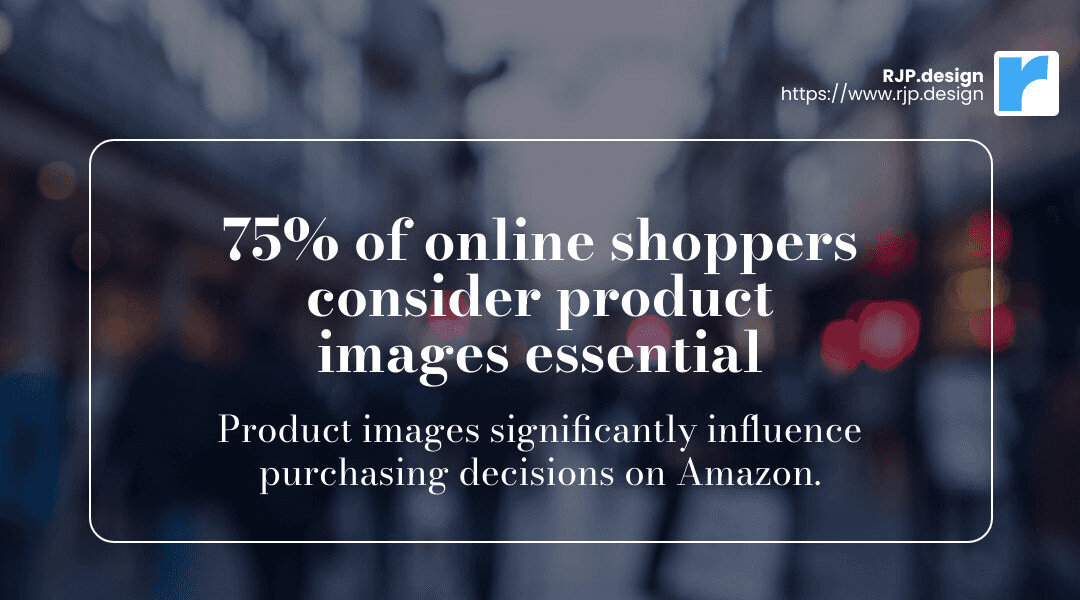
High-quality images can make or break a sale. According to a study by Salsify, 75% of online shoppers consider product images essential when making a purchasing decision. When customers can’t touch or try your product, images become their primary source of information.
Best Practices for Product Images
To maximize the impact of your product images, follow these best practices:
1. Use Multiple Angles: Show your product from different perspectives. This helps customers get a full understanding of what they’re buying.
2. Highlight Key Features: Zoom in on unique features or details that set your product apart.
3. Maintain Image Quality: Ensure images are clear, focused, and well-lit. Blurry or pixelated images can turn potential buyers away.
4. Use Plain Backgrounds: A simple white background keeps the focus on your product and meets Amazon’s image guidelines.
5. Fill the Frame: Your product should occupy at least 85% of the image space to provide a detailed view.
Alt-Text: An SEO Opportunity
Alt-text is text that describes your images to search engines and visually impaired customers. It’s an often-overlooked aspect of Amazon ranking SEO.
How to Use Alt-Text Effectively:
Be Descriptive: Write a simple sentence that clearly describes the image.
Include Keywords: Incorporate 1-2 relevant keywords naturally.
For example, if you’re selling a leather wallet, your alt-text might read: “Brown leather wallet with RFID protection.”
Case Study: Effective Use of Images
Consider a listing for washable pee pads for dogs. The listing uses six images and one video, showcasing the product in various settings and highlighting its features. This approach not only informs but also engages potential buyers, making them more likely to purchase.
By investing in high-quality images and using them effectively, you can greatly improve your product’s appeal and improve your Amazon ranking SEO. Up next, we’ll explore how adjusting product prices can drive sales and boost your visibility.
7. Adjust Product Prices
Pricing isn’t just about numbers—it’s a powerful tool in your Amazon ranking SEO strategy. Setting the right price can lift your product’s visibility and drive sales. Let’s break down how to do it effectively.
Pricing Strategy: The Basics
Creating a solid pricing strategy starts with understanding your costs and desired profit margins. You want to ensure your price covers production, shipping, and Amazon fees while still leaving room for profit.
Revenue Calculator: Use Amazon’s Revenue Calculator to estimate your potential profits. This tool helps you analyze different pricing scenarios and find the sweet spot that balances competitiveness with profitability.
Competitive Pricing: Stay in the Game
Competitive pricing is crucial on Amazon, where shoppers often compare prices before purchasing. A study by Jungle Scout found that 82% of sellers consider pricing a key factor in driving sales.
To stay competitive:
Research Competitors: Regularly check the prices of similar products. This helps you understand market trends and adjust your prices accordingly.
Offer Value: If your price is higher, ensure your product offers additional value, like unique features or superior quality.
Automate Pricing: Let Technology Help
Manually adjusting prices can be time-consuming. That’s where Amazon’s Automate Pricing tool comes in. This feature allows you to set rules that automatically adjust your prices based on market conditions.
How Automate Pricing Works:
Set Rules: Define criteria for when your prices should change, such as matching the lowest price or staying within a certain percentage.
Stay Competitive: Automation ensures your prices remain competitive without constant monitoring.
Case Study: Dynamic Pricing Success
Consider a seller using dynamic pricing to stay competitive. By employing pricing tools, they adjust prices based on demand and competitor pricing. This strategy not only keeps their products visible but also maximizes profitability.
By implementing a robust pricing strategy, staying competitive, and leveraging automation, you can improve your product’s visibility and drive sales. Next, we’ll explore advanced Amazon SEO strategies to further boost your product’s performance.
Advanced Amazon SEO Strategies
When it comes to elevating your product’s presence on Amazon, basic SEO tactics are just the beginning. To truly stand out, you need to dive into advanced Amazon SEO strategies that tap into improved content and brand tools.
A+ Content: Elevating Product Listings
A+ Content, also known as Improved Brand Content, is a powerful tool for brand owners. This feature allows you to enrich your product listings with high-quality images, detailed descriptions, and compelling storytelling.
Why A+ Content Matters:
Improved User Experience: Engaging visuals and detailed information can capture customer attention and encourage conversions.
Brand Storytelling: Share your brand’s story and build an emotional connection with customers. This can improve brand loyalty and trust.
A study by Amazon shows that A+ Content can boost sales by up to 10%, highlighting its impact on customer engagement and conversion rates.
Brand Registry: Protecting and Enhancing Your Brand
Enrolling in Amazon’s Brand Registry open ups a suite of tools designed to protect your brand and improve its visibility. This program is custom for brand owners who want to maintain control over their product listings and guard against counterfeit products.
Benefits of Brand Registry:
Access to A+ Content: Only brand-registered sellers can use A+ Content, giving you a competitive edge in product presentation.
Advanced SEO Tools: Use features like the Search Query Performance dashboard to gain insights into customer search behavior and refine your SEO strategy.
Customer Experience: The Heart of SEO
While technical optimizations are crucial, never underestimate the power of a great customer experience. Happy customers lead to positive reviews, which are a significant factor in Amazon ranking SEO.
Enhancing Customer Experience:
Accurate Descriptions: Ensure your product descriptions are clear and truthful to set proper expectations.
Responsive Service: Address customer inquiries and concerns promptly to build trust and satisfaction.
A staggering 41% of consumers always read product reviews before making a purchase, underscoring the importance of maintaining high ratings and positive feedback.
By incorporating A+ Content, leveraging Brand Registry benefits, and prioritizing customer experience, you can significantly boost your product’s visibility and sales on Amazon. Next, we’ll dig into the essential tools that can help you further optimize your Amazon SEO efforts.
Tools to Improve Amazon SEO
When it comes to enhancing your Amazon ranking SEO, the right tools can make a significant difference. These tools help you with everything from keyword research to listing optimization and sales performance analysis. Let’s explore some key tools and their benefits.
SEO Tools: Your Secret Weapon
SEO tools are essential for understanding how your product listings perform and where improvements are needed. They simplify the process of tracking keywords, analyzing competitors, and monitoring sales trends.
Keyword Research Tools: These tools help you identify the best keywords to target for your products. By understanding what terms customers use to search for products like yours, you can optimize your listings more effectively.
Listing Optimization Tools: These tools focus on improving the content of your product listings. They help ensure your titles, descriptions, and bullet points are clear, engaging, and keyword-rich.
Sales Performance Analysis Tools: These tools provide insights into how well your products are selling. They track metrics like conversion rates and sales history, helping you refine your SEO strategy.
Keyword Research: Finding the Right Words
Keyword research is a cornerstone of Amazon SEO. By targeting the right keywords, you align your listings with customer searches, increasing visibility and potential sales.
Short-Tail vs. Long-Tail Keywords: Short-tail keywords are broad and competitive, while long-tail keywords are more specific and often less competitive. Both are valuable, but long-tail keywords can be especially effective for reaching niche markets.
Amazon Search Box and Competitor Analysis: Use the Amazon search box to find popular search terms and analyze competitors to find effective keywords you might have missed.
Listing Optimization: Crafting Compelling Content
Optimizing your listings involves more than just using the right keywords. It’s about creating content that appeals to both the Amazon algorithm and potential customers.
Product Titles and Descriptions: Ensure your product titles are concise and include primary keywords. Descriptions should be informative and naturally incorporate secondary keywords without stuffing.
Bullet Points and Images: Use bullet points to highlight key product features and benefits. High-quality images with alt-text can improve the visual appeal and improve SEO.
Sales Performance Analysis: Measuring Success
Understanding your sales performance is crucial for ongoing SEO success. By analyzing sales data, you can identify what’s working and what needs adjustment.
Conversion Rates: Track how many visitors to your listing actually make a purchase. High conversion rates can boost your ranking in Amazon search results.
Sales History and Trends: Keep an eye on your sales history to spot trends and seasonality, adjusting your strategy as needed.
By leveraging these tools and techniques, you can improve your Amazon ranking SEO, making your products more visible and attractive to potential buyers. Next, we’ll address some frequently asked questions about Amazon SEO to clear up any lingering uncertainties.
Frequently Asked Questions about Amazon Ranking SEO
Does Amazon A+ Content Affect SEO?
Absolutely. A+ Content can significantly impact your Amazon ranking SEO. This improved content format allows sellers to provide detailed product descriptions, high-quality images, and even comparison charts. It improves the user experience by offering more engaging and informative content.
Why does this matter? When customers have a better understanding of your product, they are more likely to make a purchase, which can increase your sales. Increased sales and better conversion rates are key factors that can boost your product’s ranking on Amazon.
How is Amazon SEO Different from Google SEO?
While both Amazon and Google SEO aim to improve visibility, they have different focuses. Amazon SEO is all about conversion focus—it’s designed to help products sell. This means that factors like sales history, conversion rate, and customer reviews play a big role in how products are ranked.
On the other hand, Google SEO is more about information retrieval. It focuses on providing the most relevant information to users, which can include blog posts, articles, and other content types beyond just products. Keywords are crucial in both, but the emphasis on conversion is what sets Amazon SEO apart.
What Are Some Amazon SEO Tools?
Navigating Amazon ranking SEO can be simplified with the right tools. Here are a few that can make a big difference:
Keyword Research Tools: These help identify the best keywords for your product listings. Tools like Jungle Scout’s Keyword Scout can simplify finding high-ranking keywords and assessing search volume.
Listing Optimization Tools: These tools help refine your product titles, descriptions, and bullet points to ensure they’re engaging and keyword-rich. They focus on improving the structure and content of your listings.
Sales Performance Analysis Tools: These tools track important metrics like conversion rates and sales history. By analyzing this data, you can refine your SEO strategy to improve product visibility and sales.
Using these tools effectively can improve your Amazon SEO strategy, making your products more visible and attractive to potential buyers.
Conclusion
In the changing landscape of online marketplaces, mastering Amazon ranking SEO is crucial for boosting product visibility and driving sales. At RJP.design, we understand the intricacies of optimizing your online presence, ensuring your business not only looks great but also stands out where it matters most.
Our team is dedicated to client satisfaction, taking the time to understand your unique needs and tailoring our services to meet them. Whether it’s enhancing your website or optimizing your product listings on platforms like Amazon, we prioritize strategies that deliver measurable results.
By focusing on high-quality service and leveraging advanced SEO techniques, we help improve your brand’s visibility and customer engagement. Our approach ensures that your products not only reach the right audience but also convert views into sales, enhancing your overall online presence.
Ready to take your digital marketing to the next level? Explore our services and find how RJP.design can help you open up the full potential of your online business.