
Web
The Ultimate List of E-Commerce Sites with Exceptional UX
Oct 1, 2024

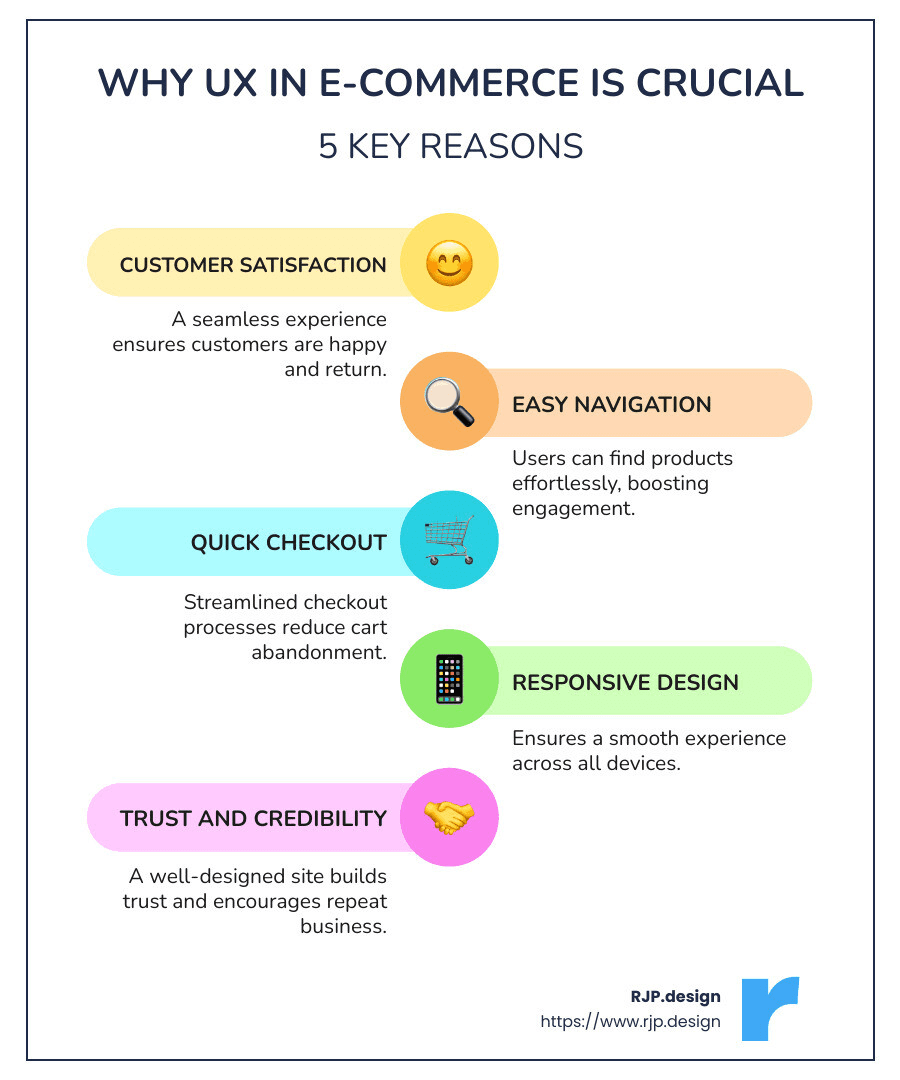
Why UX in E-commerce is Crucial
The best ecommerce sites ux are the ones that keep customers coming back. In a competitive online market, user experience (UX) is more than just good design; it’s the backbone of customer satisfaction and repeat business. If customers can steer your site easily, find what they’re looking for, and make purchases effortlessly, they’re more likely to return and recommend your site to others. Here’s a quick rundown of top e-commerce sites known for their exceptional UX:
Asus
Moschino
Apple
Google Store
KitKat – Brasil
Crutchfield
REI
Zalando
Louis Vuitton
Nespresso
As seen above, brands like Apple, Google Store, and REI excel at providing seamless and intuitive shopping experiences. They prioritize clean designs, easy navigation, and quick checkout processes—all crucial elements of effective UX.
I’m Ross Plumer, a digital marketing expert with a background in helping businesses achieve exceptional user experiences. With years of experience in enhancing the UX of high-revenue e-commerce sites, I understand what it takes to make your site both user-friendly and profitable.
Best ecommerce sites ux vocab to learn:
– amazing ecommerce website designs
– best retail website designs
– best shopify store designs
10 Best E-Commerce Sites with Exceptional UX
Asus
Asus stands out with its excellent category division and powerful search engine. The site uses Magento to run both B2B and B2C stores concurrently, allowing seamless switching between platforms. The search engine offers automatic suggestions for products and FAQ topics, making it easier for users to find what they need quickly.
Moschino
Moschino features simple navigation and a search engine that shows product tiles as hints. The Quick Buy feature allows users to purchase items directly from the search engine. Built-in filtration helps narrow down search results, and a “What’s My Size?” tool ensures that customers order the correct size.
Apple
Apple excels in minimalistic design. The navigation is simple and clean, with submenus featuring icons that represent products. The site is divided into store and product information pages, making it easy for users to steer and make purchases.
Google Store
The Google Store focuses on simplicity and clarity. The navigation is divided into main categories and product series. On the product page, the focus changes as you select options, and you can choose between a one-time or subscription payment during checkout.
KitKat – Brasil
KitKat – Brasil offers a personalized shopping experience with customizable products. The site features a gamification system and loyalty program called Break Society. Magento powers the site, allowing for a smooth and engaging user experience.
Crutchfield
Crutchfield specializes in electronic audio equipment. The home page makes it easy to find return policies and popular categories. Users can check the compatibility of audio equipment with their cars, and each product page features customer reviews.
REI
REI is a sports and camping equipment store with a user-friendly panel. The panel provides easy access to account information, purchase history, wish lists, and FAQs. The site also allows product comparisons, helping customers make informed decisions.
Zalando
Zalando is a fashion marketplace with extensive filtration options. Users can filter by color, material, fit, length, and brand. The product page includes vital information like return policies and shipping times, and customer reviews are readily available.
Louis Vuitton
Louis Vuitton offers a minimalistic yet expressive high-fashion website. Navigation is intuitive, and the search engine provides relevant products and categories. The product page is transparent, displaying only the most crucial information.
Nespresso
Nespresso ensures clear messages for customers. The site uses Magento to run multiple regional stores, displaying products available in the user’s location. Products in the Machines category can be compared, helping customers choose the best option.

These e-commerce sites exemplify the best in UX, showing how thoughtful design and functionality can lead to customer satisfaction and repeat business. By prioritizing ease of navigation, clear messaging, and personalized experiences, these brands set a high standard in the e-commerce industry.
Essential eCommerce UX Design Strategies
Creating a seamless user experience (UX) is crucial for eCommerce sites. It not only improves customer satisfaction but also drives repeat visits and increases conversion rates. Here are key strategies to improve your eCommerce UX:
Prioritize Function
A functional user interface (UI) is the backbone of any successful eCommerce site. Focus on the user journey to ensure that every step from browsing to checkout is smooth and intuitive. Prioritizing function over form can lead to higher conversions and a better overall user experience.
Simplify Your Checkout Process
Cart abandonment is a major issue for many eCommerce sites. Simplify your checkout process to combat this. Implementing a one-page checkout or offering a guest checkout option can significantly reduce friction. According to the Baynard Institute, 28% of online shoppers abandon their carts because they are required to create an account. Streamlining your checkout can lead to higher conversion rates.
Start With User-Centered Copy
Clear and natural language in your copy can help guide users through your site. Use navigational labels, calls to action, and product details to assist users in achieving their shopping goals. Confusing language can deter potential customers, so always prioritize clarity and simplicity.
Make Online Store Navigation Intuitive
User-friendly menus and navigation bars are essential. Use straightforward labels and recognizable icons. Implement breadcrumbs to help users easily trace their steps and find their way back to previous pages. A robust search functionality can further improve the shopping experience, allowing users to quickly locate products.
Always Consider Mobile Devices
With half of internet traffic coming from mobile devices, optimizing your site for mobile is imperative. Use a responsive design that adapts to various screen sizes and orientations. Optimize product images and minimize code to reduce page load times. Streamline the mobile checkout process and improve your site’s mobile SEO to ensure a smooth mobile shopping experience.
Implementing these strategies can greatly improve your eCommerce UX, leading to increased customer satisfaction and higher conversion rates.
Frequently Asked Questions about Best eCommerce Sites UX
What is eCommerce UX?
eCommerce UX refers to the overall design and usability of an online store. It encompasses every aspect of a user’s interaction with the website, from the moment they land on the homepage to the completion of a purchase. Key elements include:
Design: The visual aesthetics and layout of the site.
Usability: How easy it is for users to steer and complete tasks.
Customer Interaction: Every touchpoint where a user engages with the site, such as searching for products, adding items to the cart, and checking out.
Why is UX important in eCommerce?
A positive user experience is crucial for several reasons:
Customer Satisfaction: A well-designed site makes shopping enjoyable, which increases satisfaction.
Repeat Visits: Satisfied customers are more likely to return, driving up repeat visits.
Trust: A seamless and professional UX builds trust, making customers feel secure in their transactions.
Conversion Rates: Simplified navigation and clear calls to action (CTAs) help guide users through the buying process, which can significantly boost conversion rates.
How can I improve my eCommerce site’s UX?
Improving your eCommerce site’s UX involves several key strategies:
Simplified Navigation: Use user-friendly menus, navigation bars, and breadcrumbs to help users find what they need quickly.
Clear CTAs: Strategically placed and thoughtfully designed CTAs like “Buy Now” or “Add to Cart” can propel users through the buying process.
Mobile Optimization: Ensure your site is responsive and performs well on mobile devices. Optimize images, minimize code, and streamline the mobile checkout process.
User-Centered Copy: Use clear and natural language in your copy to guide users. Avoid confusing jargon and focus on simplicity.
Testing and Optimization: Continuously test different elements of your site to see what works best. Use A/B testing and gather user feedback to make informed adjustments.
By implementing these strategies, you can create a more engaging and efficient shopping experience, leading to higher customer satisfaction and increased sales.
Conclusion
The importance of user experience (UX) in eCommerce cannot be overstated. A well-designed UX ensures that customers can easily steer your website, find what they need, and make purchases effortlessly. This leads to higher customer satisfaction, encouraging repeat visits and fostering trust.
At RJP.design, we understand that continuous improvement is key to maintaining an exceptional eCommerce experience. The digital landscape is always evolving, and so are customer expectations. By staying ahead of trends and continuously optimizing your site, you can ensure that your customers enjoy a seamless shopping experience every time they visit.
Our team specializes in creating websites that not only look great but are also highly functional and easy to find online. We prioritize client satisfaction and work closely with businesses to create custom solutions that meet their unique needs.
A top-notch UX can significantly boost conversion rates and reduce cart abandonment. By implementing best practices such as simplified navigation, clear calls to action, and mobile optimization, you can create an engaging and efficient shopping experience for your customers.
Ready to take your eCommerce site to the next level? Find how our web design and development services can transform your online presence and drive sales. Let’s create a user experience that your customers will love and keep coming back to.