
Web
Ecommerce Portal Development: The Ultimate Guide
Sep 12, 2024

Why Ecommerce Portal Development Is Essential for Your Business
With the rapid growth of the ecommerce industry and the rising popularity of online shopping, businesses are constantly looking for ways to improve their online presence and meet consumer demands more effectively. Ecommerce portal development emerges as a game-changer, offering numerous advantages over a traditional ecommerce website.
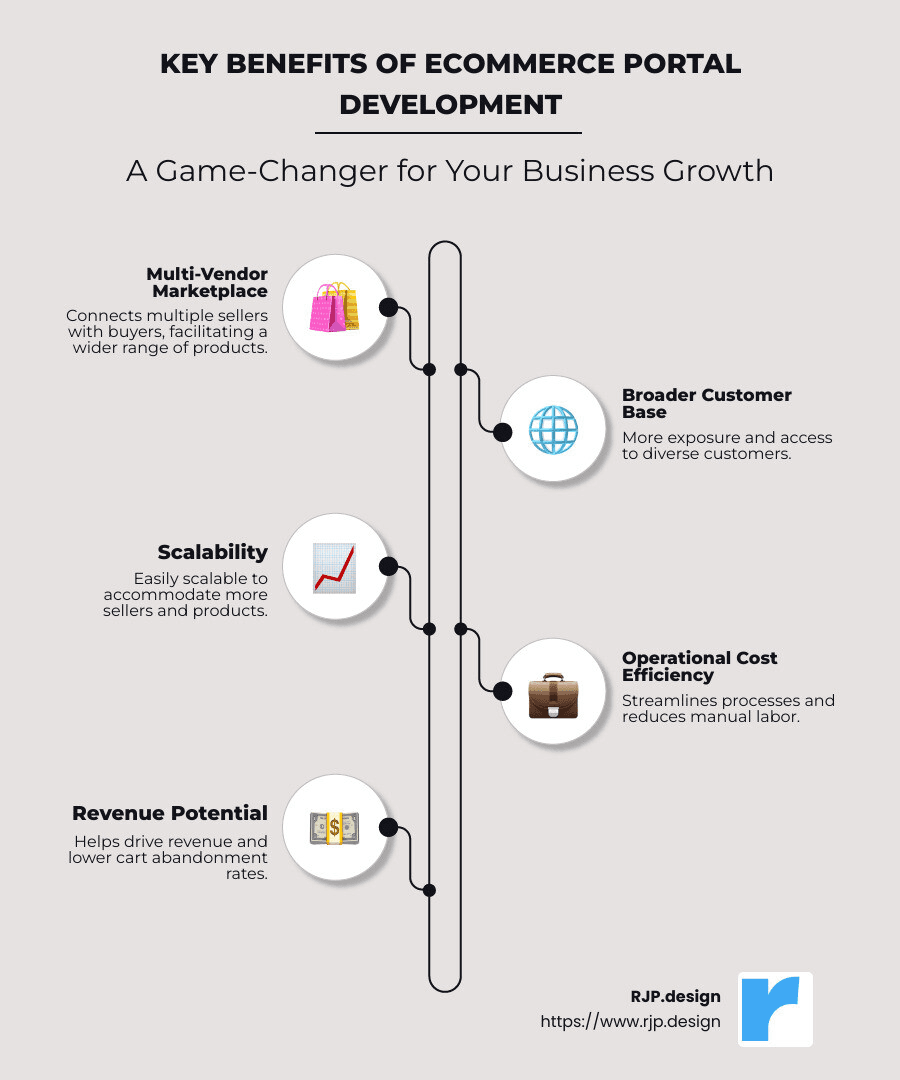
For a quick insight, here are the main benefits of ecommerce portal development versus a standard ecommerce website:
Multi-vendor marketplace: Connects multiple sellers with buyers, facilitating a wider range of products.
Broader customer base: More exposure and access to diverse customers.
Scalability: Easily scalable to accommodate more sellers and products.
Operational cost efficiency: Streamlines processes and reduces manual labor.
As seen in the third quarter of 2022, retail ecommerce sales in the US hit approximately $265 billion, marking a 3% increase from the prior quarter. This highlights the potential of ecommerce portal development in driving revenue and lowering cart abandonment rates—a critical factor for maintaining customer loyalty.
I’m Ross Plumer, a seasoned expert in ecommerce portal development. From years of experience and a background in high-revenue digital marketing and web design, I have helped businesses harness the power of ecommerce portals to achieve their full potential. Let’s dig deeper into why ecommerce portal development is a crucial strategy for sustainable business growth.
Now, let’s explore what ecommerce portal development entails and how it can revolutionize your business growth journey.
What is Ecommerce Portal Development?
Ecommerce Portal vs Ecommerce Website
When we talk about ecommerce portal development, it’s important to distinguish it from a traditional ecommerce website. Both serve the purpose of selling products or services online, but they operate quite differently.
Ecommerce Portals are multi-vendor marketplaces connecting multiple sellers with buyers. Think of platforms like Amazon or eBay. They integrate various services and features to create a comprehensive shopping experience. On the other hand, Ecommerce Websites are typically single-business platforms where one company sells its products directly to consumers. Examples include the Nike online store or the Apple Store.
Here’s a quick comparison to help illustrate the differences:
Aspect | Ecommerce Portals | Ecommerce Websites |
|---|---|---|
Definition | Multi-vendor marketplace connecting sellers and buyers. | Single business sells products directly. |
Business Model | Earns through commissions or fees. | Revenue from individual sales. |
Scalability | Highly scalable for more sellers. | Limited by the business’s capacity. |
Customer Base | Broader customer reach with multiple sellers. | Limited to the website owner’s customer base. |
Maintenance | Requires management for fair competition. | Focus on the website’s performance. |
Competition | High competition and varied choices. | Limited competition on business offerings. |
Examples | Amazon, eBay, Alibaba, etc. | Nike’s online store, Apple Store, etc. |
Benefits of Ecommerce Portals Over Websites
1. Multi-Vendor Marketplace: Ecommerce portals connect multiple sellers with buyers, offering a wide range of products and services. This increases product exposure and attracts a broader customer base.
2. Scalability: Portals are designed to accommodate a growing number of sellers and products. This scalability ensures that the platform can handle increasing traffic and transactions efficiently.
3. Integrated Platform: Ecommerce portals typically offer an integrated platform that combines various services such as third-party vendor integration and advanced analytics. This integration streamlines operations and improves the overall shopping experience.
4. Broader Customer Reach: Since portals host multiple sellers, they attract a diverse audience. This broader customer base can significantly boost sales and revenue.
5. Operational Efficiency: By streamlining processes and minimizing the need for manual labor, ecommerce portals can reduce operational costs. This cost efficiency is crucial for maintaining competitive pricing and improving profit margins.
Real-World Example
Consider Amazon, one of the most well-known ecommerce portals. Amazon connects millions of sellers and buyers worldwide, offering a vast range of products. This multi-vendor model has revolutionized online shopping, making it more convenient and accessible for consumers.
Advanced Analytics
Another key advantage of ecommerce portals is the use of advanced analytics. These portals collect and analyze data from various sources, providing valuable insights into customer behavior, sales trends, and market opportunities. Businesses can use this data to make informed decisions and tailor their strategies to meet consumer demands.
Conclusion
In summary, ecommerce portal development offers numerous benefits over traditional ecommerce websites. By connecting multiple sellers with buyers, providing a scalable and integrated platform, and leveraging advanced analytics, ecommerce portals can drive significant business growth and improve operational efficiency.
Next, we’ll dig into the different types of ecommerce portals and how they cater to various business models and customer needs.
Types of Ecommerce Portals
Ecommerce portals come in different types, each serving unique business models and customer needs. Let’s explore some of the most common types:
Business-to-Business (B2B) Portals
B2B portals facilitate transactions between businesses. They allow companies to purchase goods or services from suppliers, wholesalers, or manufacturers. A prime example is a large wholesale marketplace where businesses can source products in bulk at competitive prices.
Key Features:
– Bulk Ordering: Enables businesses to order large quantities.
– Volume-Based Pricing: Discounts based on the order size.
– Corporate Account Management: Multiple user roles and permissions for a single account.
Business-to-Consumer (B2C) Portals
B2C portals are the most common type, where businesses sell directly to individual consumers. Think of a major online retailer. These platforms offer a vast array of products, making online shopping accessible and convenient.
Key Features:
– Personalized User Accounts: Track orders and manage preferences.
– Shopping Cart: Easy addition and review of products before purchase.
– Order Tracking: Real-time updates on shipment status.
Consumer-to-Consumer (C2C) Portals
C2C portals enable individuals to buy and sell products directly with each other. These platforms act as intermediaries, providing a secure environment for transactions. A well-known auction site and a popular classifieds website are classic examples.
Key Features:
– User Ratings and Reviews: Build trust between buyers and sellers.
– Secure Payment Processing: Protects both parties in the transaction.
– Auction or Fixed-Price Listings: Various selling options.
Mobile Commerce (M-Commerce)
M-commerce portals are optimized for mobile devices, allowing users to shop and transact through smartphones and tablets. Many e-commerce platforms have dedicated mobile apps to improve user experience.
Key Features:
– Responsive Design: Ensures seamless navigation on mobile devices.
– Mobile Payment Options: Supports digital wallets and mobile banking.
– Push Notifications: Alerts for promotions and order updates.
Niche Portals
Niche portals focus on specific product categories, catering to a targeted audience. Examples include a marketplace for handmade crafts and a specialized footwear retailer.
Key Features:
– Specialized Product Listings: Custom to niche markets.
– Community Engagement: Forums and user groups for sharing interests.
– Curated Collections: Handpicked products to match user preferences.
Dropshipping Portals
Dropshipping platforms connect retailers with suppliers, allowing retailers to sell products without keeping inventory. They forward orders to suppliers, who then ship products directly to customers.
Key Features:
– Inventory Management: Automates stock updates from suppliers.
– Order Fulfillment: Streamlines the process from order to delivery.
– Supplier Integration: Easy connection with multiple suppliers.

Real-World Example
Consider a popular platform for dropshipping. This platform allows retailers to set up online stores quickly, integrate with suppliers, and manage orders without holding inventory. This model has made it easier for entrepreneurs to start online businesses with minimal upfront investment.
Conclusion
Understanding the different types of ecommerce portals helps businesses choose the right model that aligns with their goals and customer needs. Next, we’ll dive into the benefits of developing an ecommerce portal and how it can lift your business.
Benefits of Ecommerce Portal Development
Increased Accessibility and Convenience
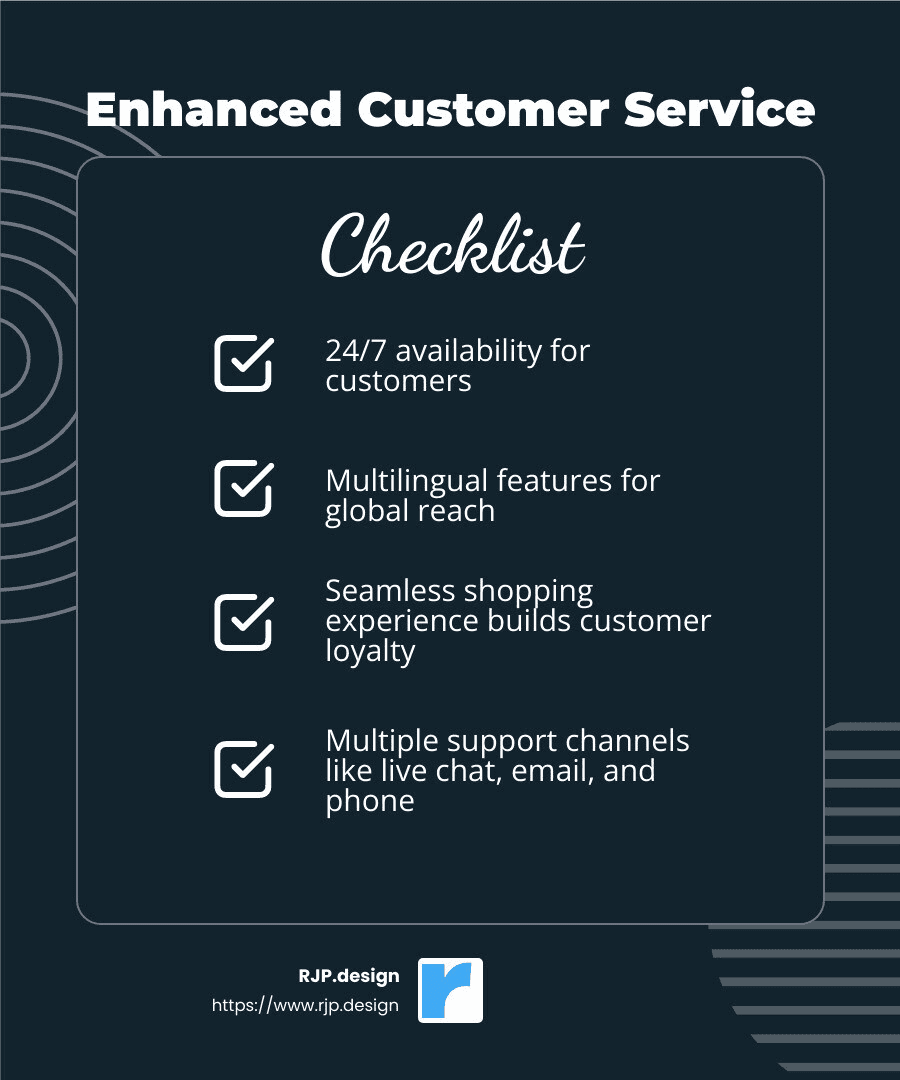
Ecommerce portals offer round-the-clock accessibility, allowing customers to shop anytime, anywhere. This 24/7 availability is crucial in today’s world. Multilingual features improve accessibility further, breaking language barriers and reaching a global audience.
Customer Loyalty: By providing a seamless shopping experience, ecommerce portals build stronger customer relationships and loyalty. When customers can shop at their convenience, they are more likely to return.
Reduced Operational Cost
Automated processes in ecommerce portals streamline operations, reducing the need for manual intervention.
Drop Shipping: This model allows businesses to sell products without holding inventory, significantly cutting storage and handling costs. Suppliers handle order fulfillment, which improves operational efficiency.
Personalization and Customer Insights
Ecommerce portals collect valuable customer data, enabling businesses to make data-driven decisions. This data helps in personalizing the shopping experience, from product recommendations to targeted marketing campaigns.
Self-Service Capabilities: Customers can manage their accounts, track orders, and handle returns, enhancing their overall experience and reducing the burden on customer support teams.
Improved Customer Service
Ecommerce portals offer multiple support channels, such as live chat, email, and phone, to address customer inquiries promptly. Customers can also leave ratings and reviews, providing valuable feedback for both the business and potential buyers.
Quote: “E-commerce portals provide multiple channels for customer support, such as live chat, email, and phone, enabling businesses to address customer inquiries promptly.”
Streamlined Inventory Management
Integration with inventory management systems ensures real-time updates on product availability. When a customer places an order, the inventory levels are automatically updated, preventing overselling and stockouts.
Better Stock Control: This integration improves operational efficiency by providing accurate stock information, allowing businesses to manage their inventory effectively.
Next, we’ll explore the essential features of ecommerce portals that contribute to their success.
Essential Features of Ecommerce Portals
Ecommerce portals come packed with a variety of features that improve the shopping experience for customers and streamline operations for businesses. Let’s explore the must-have features for a successful ecommerce portal.
Inventory Management
Inventory management tools are essential for keeping track of stock levels, processing orders, and managing returns. These tools allow customers to:
Place orders with a single click
Check invoices
Track deliveries
Initiate return processes
For ecommerce portal owners, these tools help in:
Administering loyalty programs
Examining customer information and transactions
Optimizing the order processing cycle
User Accounts
Personalized user accounts enable customers to manage their information, track orders, view order history, and save payment preferences for future purchases. This not only improves the shopping experience but also builds customer loyalty.
Shopping Cart
An intuitive shopping cart system is crucial. It allows customers to:
Add products easily
Review their selections
Proceed to checkout smoothly
A well-designed shopping cart reduces cart abandonment and improves the overall shopping experience.
Order Tracking
Real-time order tracking keeps customers informed about their shipment’s progress. This feature includes:
Status notifications
Estimated delivery times
Keeping customers updated helps build trust and satisfaction.
Search Options
A powerful search functionality is a game-changer. It helps customers quickly find products based on various criteria like:
Price range
Brand
Size
Color
Advanced filtering options make the search process even more efficient.
Chatbots
Chatbots offer instant support by:
Answering customer queries
Directing users to relevant sections of the portal
This feature improves customer service and can effectively resolve issues without human intervention.
Marketing Automation
Marketing automation tools allow for personalized marketing campaigns. By analyzing customer data, businesses can:
Tailor offers and promotions
Create targeted advertisements
This leads to more effective customer interactions and higher conversion rates.
Customer Support
Reliable customer support is a cornerstone of any successful ecommerce portal. It should include:
Multiple contact options like phone, chat, and email
Quick response times
Good customer support builds trust and improves the shopping experience.
Reporting
In-depth analytics and reporting features provide insights into:
Sales performance
Customer behavior
Popular products
These insights help businesses optimize their strategies and make informed decisions.
Payment Gateway
A secure payment gateway is vital. It should support multiple payment methods, such as:
Credit/debit cards
Digital wallets
Online banking
A smooth and secure payment process is crucial for customer satisfaction.
Discounts and Promotions
Discounts, coupon codes, and promotional offers attract more customers and drive sales. Loyalty programs also encourage repeat purchases.
Content Management
A robust content management system (CMS) allows businesses to:
Produce and organize product descriptions
Manage catalogs
Create knowledge base materials
A good CMS ensures that content is up-to-date and relevant.
These essential features contribute to the success of an ecommerce portal by enhancing the shopping experience and streamlining business operations.
Next, we’ll explore the steps to develop an ecommerce portal, from planning to launch and beyond.
Steps to Develop an Ecommerce Portal
Developing an ecommerce portal involves several crucial steps. Each step requires careful planning and execution to ensure a successful launch and sustained performance. Let’s explore the key stages of ecommerce portal development.
Planning and Requirement Analysis
The first step in ecommerce portal development is thorough planning and requirement analysis. This phase is essential for understanding the project’s scope, objectives, and target audience.
Gather Requirements: Collect detailed requirements from stakeholders, including business goals, desired features, budget, and timeline.
Research Industry Trends: Study current trends, customer preferences, and potential competitors to gain valuable insights.
Analyze Competitors: Examine successful ecommerce portals in your niche to identify best practices and areas for improvement.
UI/UX Design
Next, focus on creating a user-friendly and visually appealing design. Good design improves user experience and aligns with the brand’s identity.
User-Friendly Design: Ensure intuitive navigation and clear calls to action.
Brand Identity: Design the portal to reflect the brand’s identity and values.
Responsive Design: Make sure the portal is mobile-friendly and looks great on all devices.
Technology Stack Selection
Choosing the right technology stack is critical for the performance and scalability of your ecommerce portal.
Programming Languages: Select languages that suit your requirements, such as JavaScript, Python, or PHP.
Frameworks: Use robust frameworks like React, Angular, or Django.
Database Systems: Choose databases like MySQL, PostgreSQL, or MongoDB for efficient data management.
Scalability and Performance: Ensure the technology stack can handle growth and provide fast load times.
Portal Development
With the design and tech stack in place, start developing the portal.
Front-End Interface: Convert the approved design into a functional interface using HTML, CSS, and JavaScript.
Backend Infrastructure: Develop the backend to handle data processing, user authentication, and order management.
Essential Features: Integrate features like product catalogs, shopping carts, secure payment gateways, and inventory management.
Database Structure: Create a well-structured database to store product information, customer data, and orders.
Security Measures: Implement SSL certificates, encryption, and secure authentication protocols to protect user data.
SEO Best Practices: Optimize the portal for search engines to improve visibility.
Marketing Tools Integration: Integrate tools for tracking user behavior and website performance.
Testing and Quality Assurance
Before launching, conduct comprehensive testing to ensure everything works smoothly.
Unit Testing: Test individual components to ensure they function correctly.
Integration Testing: Verify that different components work together seamlessly.
User Acceptance Testing (UAT): Have real users test the portal to identify any issues from a user perspective.
Launch and Deployment
Prepare the portal for public launch by setting up hosting, domain, and server configurations.
Hosting Setup: Choose a reliable hosting provider.
Domain Configuration: Register and configure your domain name.
Server Setup: Ensure the server is configured correctly for optimal performance.
Final Testing: Conduct one last round of testing to confirm everything is ready for launch.
Support and Maintenance
After the launch, continuous support and maintenance are crucial for the portal’s success.
Ongoing Support: Provide technical support to address any issues that arise.
Bug Fixing: Regularly fix bugs and improve the portal’s functionality.
Regular Updates: Keep the portal updated with the latest features and security patches.
Performance Monitoring: Continuously monitor the portal’s performance and optimize loading speed.
Developing an ecommerce portal is a complex process that requires collaboration between developers, designers, project managers, and stakeholders. Each step is vital for creating a high-quality, competitive online shopping platform.
Next, we’ll explore the challenges in ecommerce portal development and how to overcome them.
Challenges in Ecommerce Portal Development and How to Overcome Them
Developing an ecommerce portal comes with its own set of challenges. Here are the top five and how to tackle them:
Payment Gateway Integration Challenge
Challenge: Integrating multiple payment gateways to offer diverse payment options while ensuring security and compliance.
Solution: Choose reputable payment gateways and work closely with their APIs. Ensure compliance with regional payment regulations. For example, Stripe and PayPal are popular choices that provide robust security features and ease of integration.
User Experience (UX) Challenge
Challenge: Providing a seamless and user-friendly shopping experience to improve customer satisfaction and increase conversion rates.
Solution: Conduct thorough UX research. Optimize website performance, streamline navigation, and ensure responsive design for all devices. For instance, Verve Coffee Roasters progressively reveals its full inventory on the home page, making it easier for users to find what they need.
Security Challenge
Challenge: Protecting customer data and financial transactions from cyber threats and hacking.
Solution: Implement robust security measures. Use SSL certificates, encrypt sensitive data, and regularly update security protocols. Regular security audits can also help identify and fix vulnerabilities.
Scalability Challenge
Challenge: Ensuring the ecommerce portal can handle increased traffic and transactions as the business grows.
Solution: Use a scalable technology stack. For example, use cloud services like AWS or Azure, which can dynamically adjust resources based on traffic. Implement load balancing and database optimization techniques to handle high volumes of traffic and transactions.
Mobile Commerce Optimization Challenge
Challenge: Ensuring the portal provides a great user experience on mobile devices.
Solution: Adopt a mobile-first approach. Ensure the design is responsive and performs well on all devices. Use techniques like lazy loading and optimized images to improve mobile performance. A well-optimized mobile experience can significantly boost user engagement and sales.
By addressing these challenges with proactive planning and skilled development, you can create a secure, user-friendly, and scalable ecommerce portal that meets customer expectations and drives business growth.
Frequently Asked Questions about Ecommerce Portal Development
What is an ecommerce portal?
An ecommerce portal is a centralized online platform where users can access various services, information, and resources related to ecommerce activities. It serves as a unified interface for buyers, sellers, and other stakeholders to engage in transactions and interactions. Think of it as a comprehensive website that brings together product catalogs, shopping carts, payment gateways, order tracking, customer support, and personalized user accounts all in one place.
What are the benefits of ecommerce website development?
Ecommerce website development offers numerous benefits:
Increased Online Presence: Your business becomes accessible to a global audience 24/7.
Operational Efficiency: Automating processes like order management and inventory updates reduces manual work and errors.
Growth Opportunities: With features like customer insights and marketing automation, businesses can make data-driven decisions to scale effectively.
Cost Reduction: Automated processes and efficient inventory management can significantly reduce operational costs.
Customer Loyalty: Personalized user experiences and excellent customer support can improve customer retention and satisfaction.
What are the key features of an ecommerce web portal?
When developing an ecommerce web portal, several key features are crucial for a seamless and user-friendly shopping experience:
Product Catalogs: A well-organized catalog that displays all available products with detailed descriptions, images, and prices.
Shopping Carts: An intuitive system where users can add products, review their selections, and proceed to checkout.
Payment Gateways: Secure and diverse payment options, including credit/debit cards, digital wallets, and online banking.
Order Tracking: Real-time updates and notifications about the status of orders and shipments.
Customer Support: Multiple support channels like chat, email, and phone to assist customers promptly.
Personalized User Accounts: Features that allow customers to manage their information, track orders, view order history, and save payment preferences.
By incorporating these features, an ecommerce portal can provide a comprehensive and satisfying user experience, driving both customer satisfaction and business growth.
This leads us to the next section, where we’ll dive into the Steps to Develop an Ecommerce Portal. We’ll cover everything from planning and requirement analysis to support and maintenance, ensuring a thorough understanding of the entire development process.
Conclusion
Summary of Benefits
Ecommerce portal development offers a multitude of benefits that can significantly improve your business’s online presence and operational efficiency. By creating a centralized platform, businesses can streamline various processes, from inventory management to customer support, leading to reduced operational costs and increased productivity. Additionally, the ability to provide personalized user experiences and real-time customer insights can drive higher sales and improve customer loyalty.
Importance of Ecommerce Portals
Having a robust ecommerce portal is not just an option but a necessity. Ecommerce portals enable businesses to reach a broader audience, offering 24/7 accessibility and convenience to customers worldwide. They also facilitate better communication and interaction between buyers and sellers, providing a seamless shopping experience. Moreover, the advanced analytics and marketing automation integrated into these portals allow businesses to make data-driven decisions, further enhancing their growth potential.
RJP.design’s Expertise in Ecommerce Portal Development
At RJP.design, we specialize in creating high-quality ecommerce portals that cater to your unique business needs. Our team is dedicated to delivering top-notch service, ensuring your online presence is both visually appealing and highly functional. We focus on building user-friendly interfaces, integrating essential ecommerce features, and providing ongoing support to keep your portal running smoothly.
Whether you need a B2B portal, a B2C platform, or a niche marketplace, our expertise in ecommerce portal development ensures that your business can thrive in the competitive online market. We handle everything from planning and requirement analysis to UI/UX design and technology stack selection, ensuring a comprehensive and successful development process.
Get started with RJP.design today and transform your ecommerce vision into reality.