
Marketing
The Art of the Click: How to Craft a Truly Engaging Website Experience
Oct 7, 2025
Engaging Website Design: 7 Captivating Elements
Beyond the Static Page: Why Engaging Website Design Matters More Than Ever
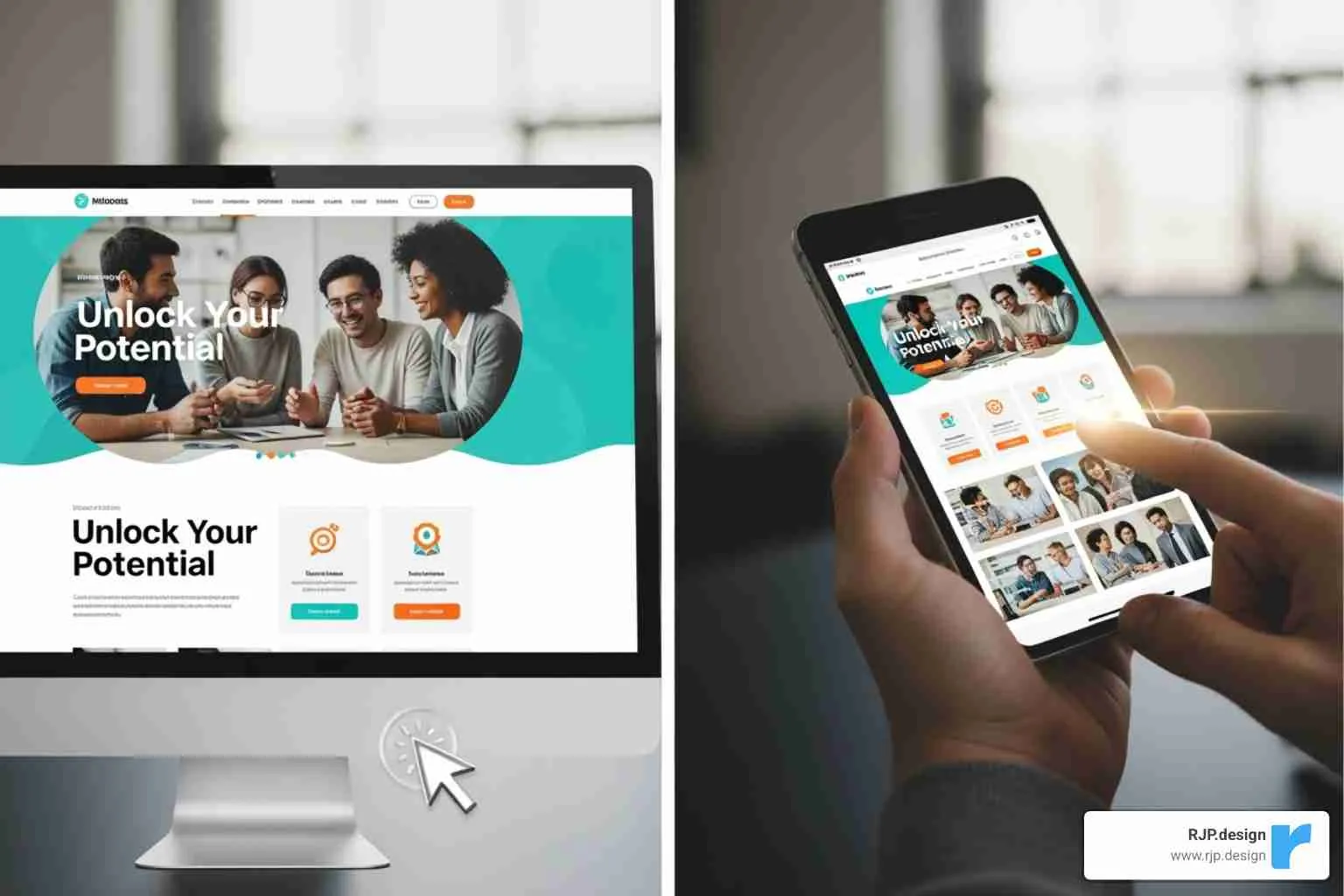
Engaging website design is more than just aesthetics. Today’s users expect interactive experiences that respond to their actions, tell compelling stories, and make them feel like active participants.
Key elements of an engaging website include:
Interactive elements: Hover effects, animations, and micro-interactions that provide feedback.
Visual storytelling: Using design to guide users through a brand narrative.
Responsive design: Ensuring a seamless experience on all devices.
Performance optimization: Fast loading times to prevent user abandonment.
Clear navigation: Intuitive pathways to help users find what they need.
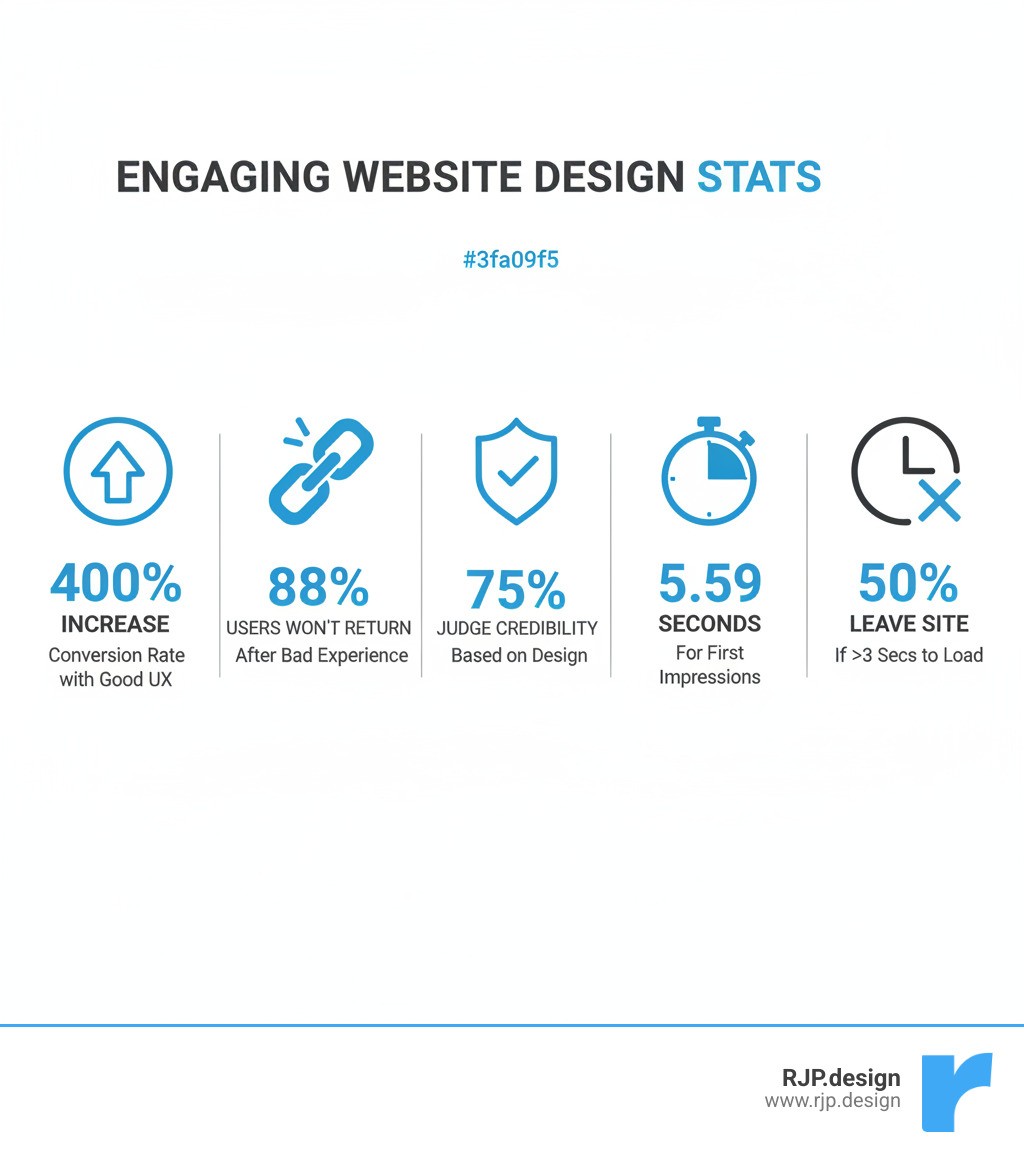
The stakes are high. Research shows that 88% of online consumers won’t return to a site after a bad experience, while good UX can increase conversion rates by up to 400%. With users forming an opinion in just 5.59 seconds, and 75% judging credibility on design alone, a dynamic experience is crucial.
This shift reflects changing expectations. Users want to interact, explore, and feel connected to your brand through every click and scroll.
I’m Ross Plumer, and I’ve helped businesses transform their digital presence with engaging website design strategies that have contributed to over $20 million in client revenue. My approach combines psychological insights with proven design principles to create websites that don’t just look good—they convert.
Engaging website design terms at a glance:
The Shift from Passive Viewing to Active Participation
Websites are no longer digital brochures. Today’s users crave active participation, not passive viewing. An interactive website creates a two-way dialogue where user actions trigger responses and guide their journey. This shift is crucial for holding attention in a crowded digital landscape. By creating experiences that are felt, not just seen, we turn a simple visit into a memorable interaction and build an immediate connection with the user.
Why Engagement is the New Conversion
The ultimate goal of a website is conversion, but engagement comes first. Without it, users won’t stick around. Consider that 88% of consumers are less likely to return to a site after a bad experience. A poor website can lose a huge number of potential customers. Conversely, good UX can boost conversion rates by up to 400% by building trust and credibility. Since 75% of consumers judge a company’s credibility on its website design, engagement is the bedrock of successful online conversions.
The Foundation: Core Principles of Engaging Design
An engaging website design needs a solid foundation. The most stunning websites fail if they aren’t built on core principles that serve users. The key is finding the sweet spot where creativity meets purpose, ensuring every design choice looks amazing and helps users accomplish their goals.
The Psychology Behind an Engaging Website Design
Understanding how people think and feel allows us to design websites that connect on a deeper level. The goal is to evoke an emotional connection, whether it’s curiosity from an animation or delight from a responsive button.
Psychological concepts like the Zeigarnik effect—our brain’s tendency to remember unfinished tasks—can be used to build anticipation and keep users scrolling. Designers can gradually reveal elements down the page, making users wonder what’s next.
However, the primary goal is to empower users, not frustrate them. When users feel in control and their actions lead to satisfying results, they stay longer. This means keeping the cognitive load low by not overwhelming them with information. Since 75% of consumers judge credibility on design, a cluttered, confusing site can damage trust in your brand.
Weaving a Narrative: The Role of Storytelling
Every business has a story. The challenge is telling it in an engaging way. Visual storytelling excels here, guiding users through your brand story with design, imagery, and interactive elements instead of just text.
User journey mapping is essential to this process. By anticipating a user’s questions and needs, we create a logical flow that feels natural. The objective is to create memorable experiences that stick with people. When someone remembers how your website made them feel, you’ve succeeded.
More info about our Custom Web Design Services shows how we help businesses craft their unique online narrative.
Balancing Act: Merging Creativity with Usability
Creating a site that is both innovative and easy to use is a common challenge. The solution is to prioritize intuitive navigation. No matter how impressive an animation is, if users can’t find your contact info, the design has failed.
Every creative interaction must serve a clear purpose. We constantly ask: Does this element clarify the message? Does it make the experience more enjoyable? Or is it just for show? The best interactive elements feel so natural that users don’t notice them—they just work. This balance is about avoiding confusion while delighting users with thoughtful details. When this is achieved, a website feels welcoming, trustworthy, and helpful, turning visitors into customers.
The Building Blocks: 7 Interactive Elements That Captivate Users
Now that we understand the core principles, let’s explore the interactive elements that transform a static page into a dynamic, engaging website design.
1. Dynamic Scrolling and Parallax Effects
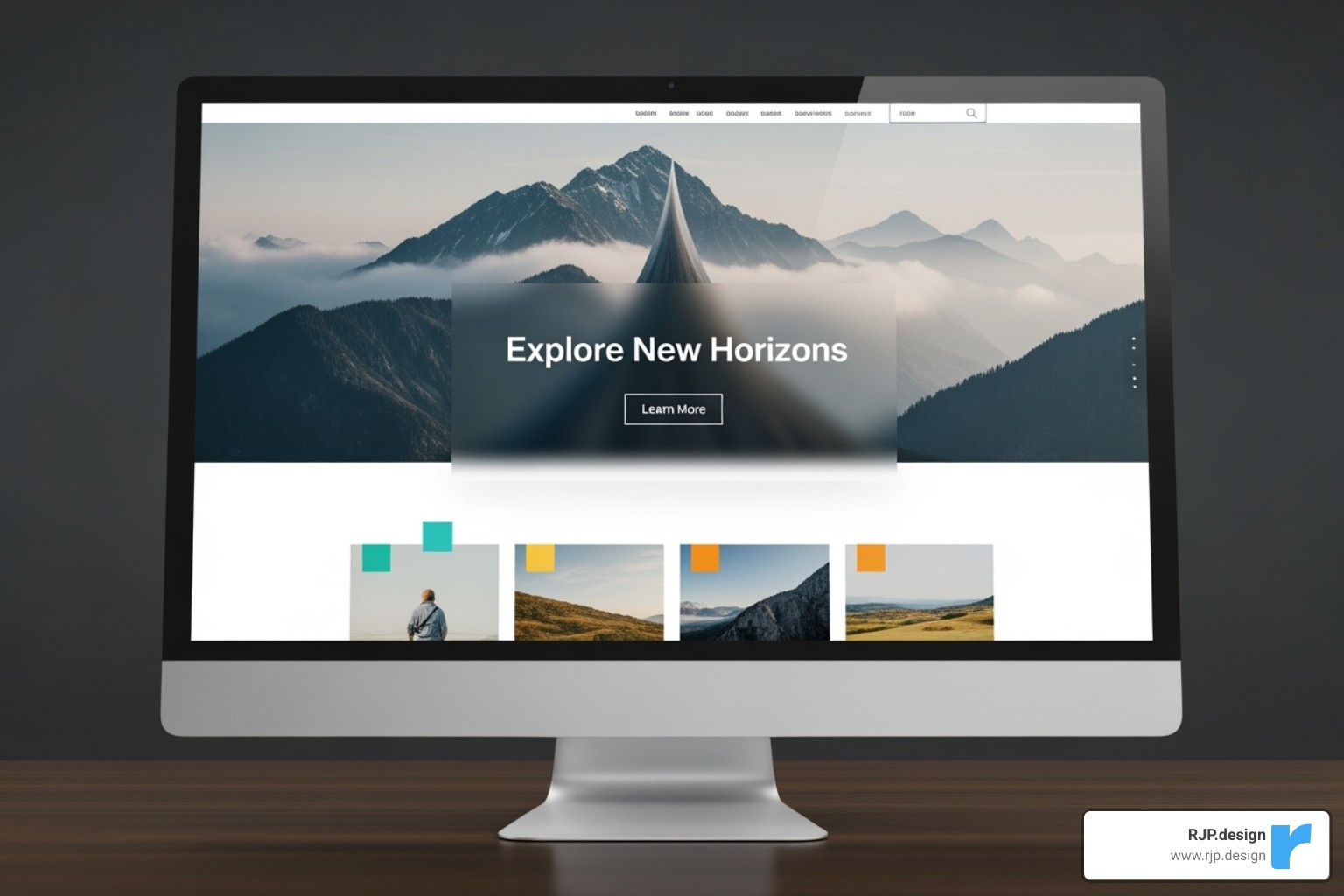
Dynamic scrolling and parallax effects create a sense of depth and movement, giving the illusion of a 3D environment as users scroll. This is a powerful storytelling tool, not just eye candy. For example, some sites use parallax to guide users through a visual narrative, making the act of scrolling an engaging part of the experience. This “scrollytelling” keeps users hooked by turning a simple scroll into an interactive journey.
2. Micro-interactions and Hover Effects
Subtle details often make the biggest difference. Micro-interactions are small animations that provide instant feedback to a user’s action, like a button bouncing after a click. These delightful details confirm an action has been registered, making the interface feel alive and responsive. For example, hover effects can reveal service information on a map or show an image when hovering over text, guiding users without explicit instructions. Using micro-animations instead of static icons adds a touch of polish and improves the overall user experience.
3. Immersive Animations and Transitions
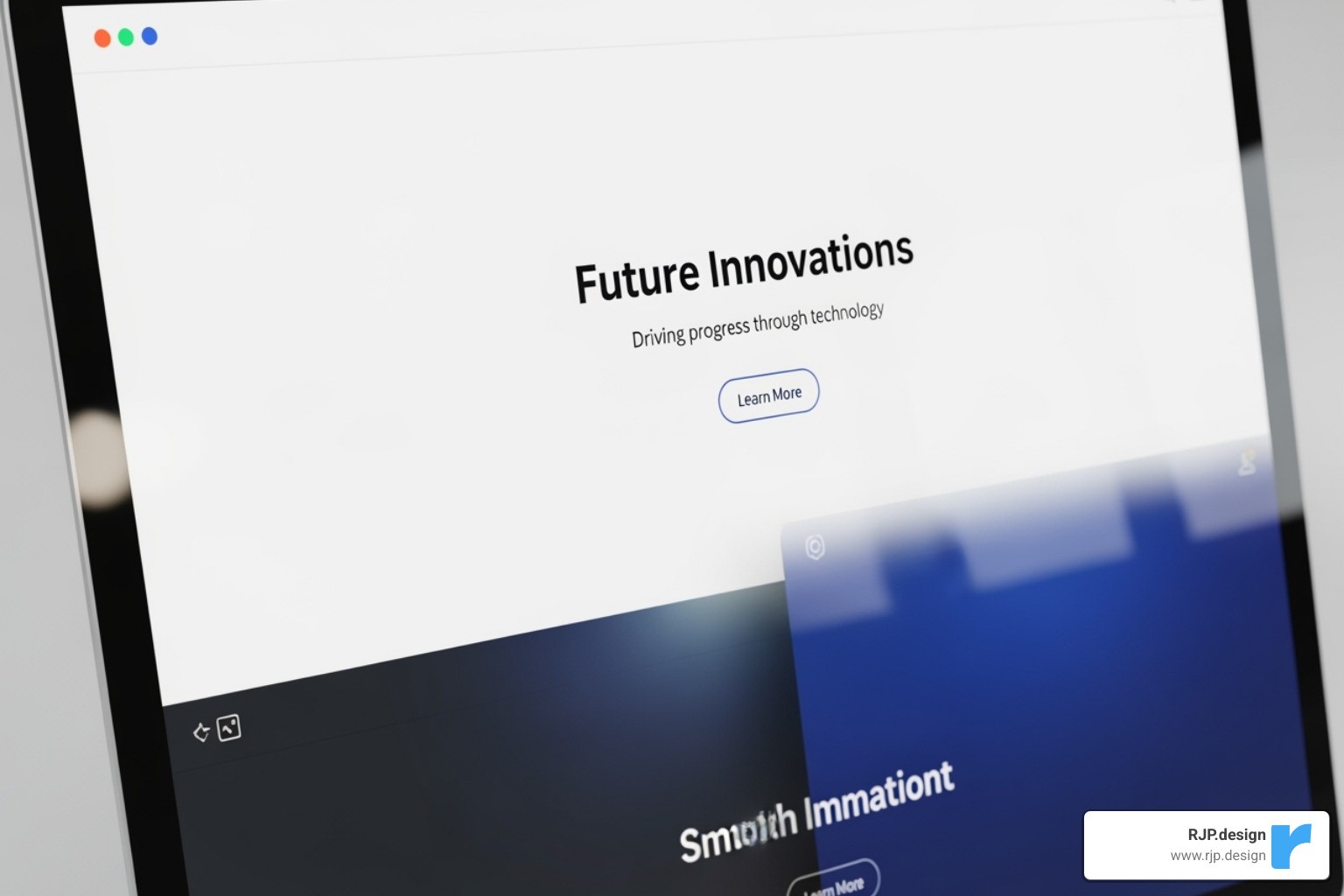
Larger animations and seamless transitions can lift an engaging website design. These elements create a smooth visual flow between page sections, preventing abrupt jumps and maintaining user immersion. Immersive animations can explain complex ideas in a digestible way, such as using CSS and JavaScript to illustrate a difficult concept. Animation can also be used boldly to display a portfolio, turning a static presentation into a dynamic showcase. Award-winning sites often feature exceptional navigation with beautiful animated transitions, proving that movement can be both functional and captivating.
4. Interactive Data Visualization and Maps
Interactive data visualization transforms dry statistics into engaging, explorable experiences. Instead of static charts, users can filter, zoom, and click to uncover insights. For example, a data analytics company might use animated graphs to illustrate use cases, while a science website could offer a live 3D visualization of the solar system. This approach makes complex information digestible and allows users to explore at their own pace, turning data into a tool for understanding.
5. Gamification: Quizzes, Polls, and Calculators
Gamification integrates game-like elements into non-game contexts to boost user participation. Quizzes, polls, and interactive calculators are fantastic ways to engage users by educating, entertaining, or generating leads. A quiz could help a user find the right product, providing a personalized result while capturing their interest. This approach provides value, captures attention, and can ultimately drive conversions.
6. Engaging Typography and Visuals
Typography is a powerful visual element. Kinetic typography, where text animates, adds dynamism, while interactive fonts can change based on user actions. Bold, engaging typography can make a message feel more relatable, and typographic storytelling can draw users into a narrative. Beyond text, visuals like image hotspots and video backgrounds are crucial. A video background can create a cinematic first impression, immersing users immediately. The combination of creative typography and compelling visuals is essential for an engaging website design.
We constantly find inspiration from award-winning sites to see how leading designers use these elements.
7. Integrated Forms and Clear CTAs
Even the most interactive website must guide users toward a goal. Integrated forms and clear calls-to-action (CTAs) are critical for conversion. Conversational forms, which present questions one at a time, can feel less overwhelming. Step-by-step processes, like those used in many e-commerce checkouts, simplify complex tasks. The goal is to reduce friction and make the path to conversion effortless. High-contrast CTAs are vital, as websites with clear CTAs see a 162% higher conversion rate. A bold, well-placed CTA can effectively guide users to the next step of their journey.
For more insights into optimizing these crucial elements, learn about High Converting Landing Pages.
Mastering Engaging Website Design: Best Practices & Common Pitfalls
Creating an engaging website design requires thoughtful planning and a deep understanding of what works. It’s not just about adding cool features; it’s about balancing creativity with user-centric principles.
Choosing the Right Interactive Elements for an Engaging Website Design
Successful interactive design begins with knowing your audience. Audience analysis helps determine what devices they use and what they want to accomplish. Interactive elements must also align with your brand. Brand alignment ensures that design choices feel like a natural extension of your brand’s personality. Finally, match interactive elements to your industry and business goals. E-commerce sites might focus on product configurators, while creative agencies could use dynamic animations. A/B testing different elements can reveal what truly engages your audience.
Don’t Break the Web: Performance and Accessibility
A beautiful interactive website is useless if it’s slow or inaccessible. Website load speed is non-negotiable. 50% of visitors will abandon your site if it takes longer than 3 seconds to load, and sites loading in 2 seconds see 7 times more conversions. We optimize every element by compressing media, using efficient code, and implementing lazy loading. These technical steps are essential for engagement.
Accessibility ensures everyone can use your site. Following WCAG guidelines for keyboard navigation and screen reader compatibility is not only the right thing to do but also expands your potential audience. Good accessibility practices, like clear navigation, improve the experience for all users.
Avoiding Common Pitfalls
Even experienced designers can make mistakes. Here are the most common pitfalls to avoid:
Over-designing: Using too many interactive elements creates a confusing mess. Every element must have a clear purpose.
Confusing navigation: Creative navigation is great, but it must remain intuitive. If users can’t find what they need, they will leave.
Slow performance: Rigorously test every interactive element to ensure it doesn’t hinder performance. An animation that takes too long to load is a liability.
Ignoring mobile users: In a mobile-first world, every interactive element must work seamlessly across all devices and screen sizes.
Lack of clear purpose: Every element should guide users toward their goals. Visitors should immediately understand what you offer and what to do next.
The goal is to create meaningful connections that drive business results, not just to impress with technical skills.
Measuring Success and Embracing the Future
An engaging website design is just the beginning. The real value comes from measuring its performance and adapting to future trends.
How to Measure the ROI of Your Interactive Design
Measuring the ROI of your engaging website design is about more than just counting visitors. The metrics that matter tell a story about user interaction.
Conversion rates are your north star. Good UX can boost conversions by up to 400%.
Time on page and scroll depth reveal how engaging your content is.
User feedback from surveys and tools like heatmaps provides qualitative insights that analytics alone can’t.
Tracking these metrics allows you to make data-driven decisions for future improvements instead of just guessing.
Our SEO Services can help you track performance and turn your engaging design into measurable business results.
The Latest Trends in Interactive Web Design
The web is always evolving. Staying current with trends helps create fresh, cutting-edge experiences. Here’s what’s shaping the future:
AI-generated art offers dynamic, personalized visuals that can adapt to users or brands.
3D elements and surrealism are making websites more immersive. Some portfolio sites now let users explore designs in tangible, memorable 3D spaces.
Neo-brutalism accepts raw, honest design with bold typography and high contrast for a content-first approach.
Maximalism rejects minimalism, using rich colors, textures, and layered elements to create an intentionally rebellious and explosive feel.
Augmented reality (AR) integration offers immersive experiences, such as allowing users to explore a movie set in full scale from their homes.

The key is to apply trends thoughtfully. The best engaging website design balances innovation with user experience to create something both memorable and functional.
Frequently Asked Questions about Engaging Website Design
Let me address the most common questions I hear from business owners who want to create more engaging website design experiences for their users.
What defines an interactive website and why is it important?
An interactive website goes far beyond the old “digital brochure” approach. Instead of just displaying information, it creates a two-way dialogue between your brand and your visitors. Think of elements like animations that respond to scrolling, buttons that give visual feedback when clicked, or forms that guide users step-by-step through a process.
These dynamic elements – from parallax scrolling effects to micro-animations – transform passive viewers into active participants. When someone hovers over a button and sees it change color, or scrolls down and watches content neatly slide into view, they’re not just consuming your content anymore. They’re interacting with it.
The importance can’t be overstated. Engaging website design with interactive elements boosts user engagement dramatically, increases the time people spend on your site, and builds genuine brand loyalty. Most importantly for your bottom line, it can lead to a 400% increase in conversion rates. That’s not just a nice bonus – that’s changeal for most businesses.
How can designers balance usability and creativity in interactive design?
This is probably the trickiest part of creating an engaging website design, and honestly, it’s where many designers stumble. The secret is always starting with solid usability principles as your foundation, then layering creativity on top.
Every creative element needs to serve a clear purpose. That cool animation might look amazing, but if it makes it harder for someone to find your contact information or complete a purchase, it’s actually hurting your business. I always ask myself: does this interaction help users accomplish their goals faster and more enjoyably?
The best interactive designs feel intuitive from the first click. Users shouldn’t have to guess what will happen when they interact with an element. A button should look clickable, navigation should be obvious, and any creative flourishes should guide users forward rather than confuse them.
Think of it like designing a beautiful building – you can have stunning architecture and creative details, but people still need to be able to find the doors and stairs easily.
Do interactive elements slow down a website?
They absolutely can if you’re not careful, and this is where many well-intentioned projects go wrong. But here’s the good news: when implemented correctly, interactive elements can actually improve the user experience without sacrificing speed.
The key is smart implementation. I always optimize image and video files before adding them to interactive elements. I favor CSS animations over heavy JavaScript whenever possible because they’re much more efficient. Lazy loading is another game-changer – elements that aren’t immediately visible don’t need to load right away.
Speed matters more than you might think. Websites that load in 2 seconds see 7 times more conversions than those taking 5 seconds. That’s why performance optimization isn’t just a technical consideration – it’s a business imperative.
The goal is to create interactive experiences that feel smooth and responsive. When done right, users won’t even think about loading times because everything flows naturally. They’ll just enjoy the experience and be more likely to convert.
Conclusion: Design a Destination, Not Just a Website
An engaging website design creates a destination—a place people want to visit, explore, and remember. It’s about changing static pages into dynamic experiences using elements like dynamic scrolling, micro-interactions, and thoughtful animations to keep visitors engaged, build trust, and drive conversions.
The numbers are clear: a positive user experience can boost conversion rates by up to 400%, while 88% of users won’t return after a bad one. These statistics represent real people deciding if your brand is worth their time.
At RJP.design, we know that engaging website design is more than just flashy effects. It’s about understanding your audience, telling your story, and building connections through thoughtful design. Our down-to-earth team has helped businesses generate over $20 million in client revenue by focusing on user experience that converts.
The future of web interaction, with AI, 3D, and AR, is exciting. However, these trends must always serve user needs. Your website should be a destination that welcomes visitors and inspires them to act.
Ready to transform your online presence into an engaging destination that converts? Start building your online presence with our digital marketing solutions and let’s create something remarkable together.