
SEO
Off-Page SEO Secrets: How to Win Google’s Popularity Contest
Jun 23, 2025
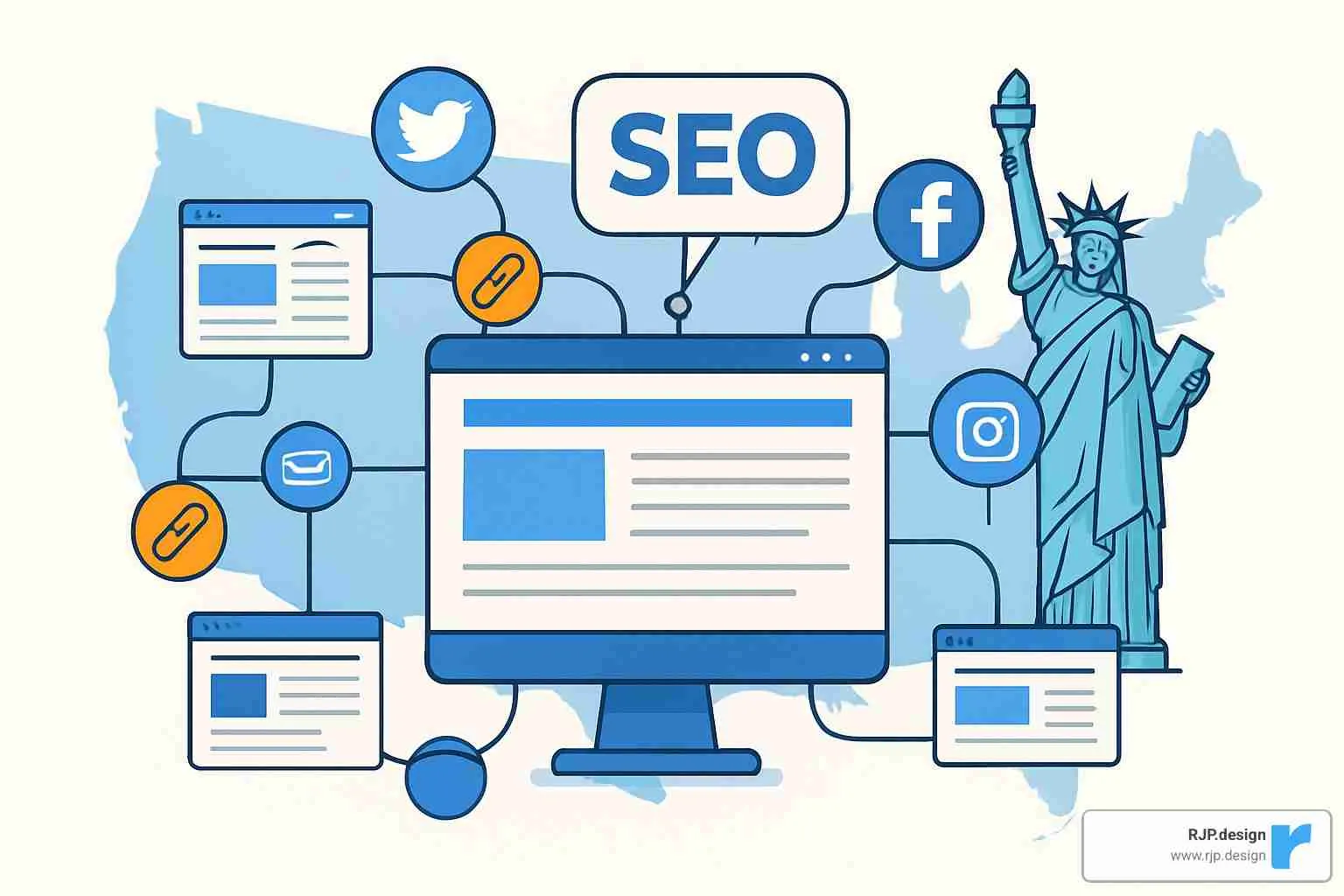
Off-page SEO strategies: 10 Powerful Ways to Win in 2025
Why Off-Page SEO Strategies Are Your Website’s Lifeline
Off-page SEO strategies are the actions you take beyond your website to raise search visibility and authority.
Core Off-Page Tactics
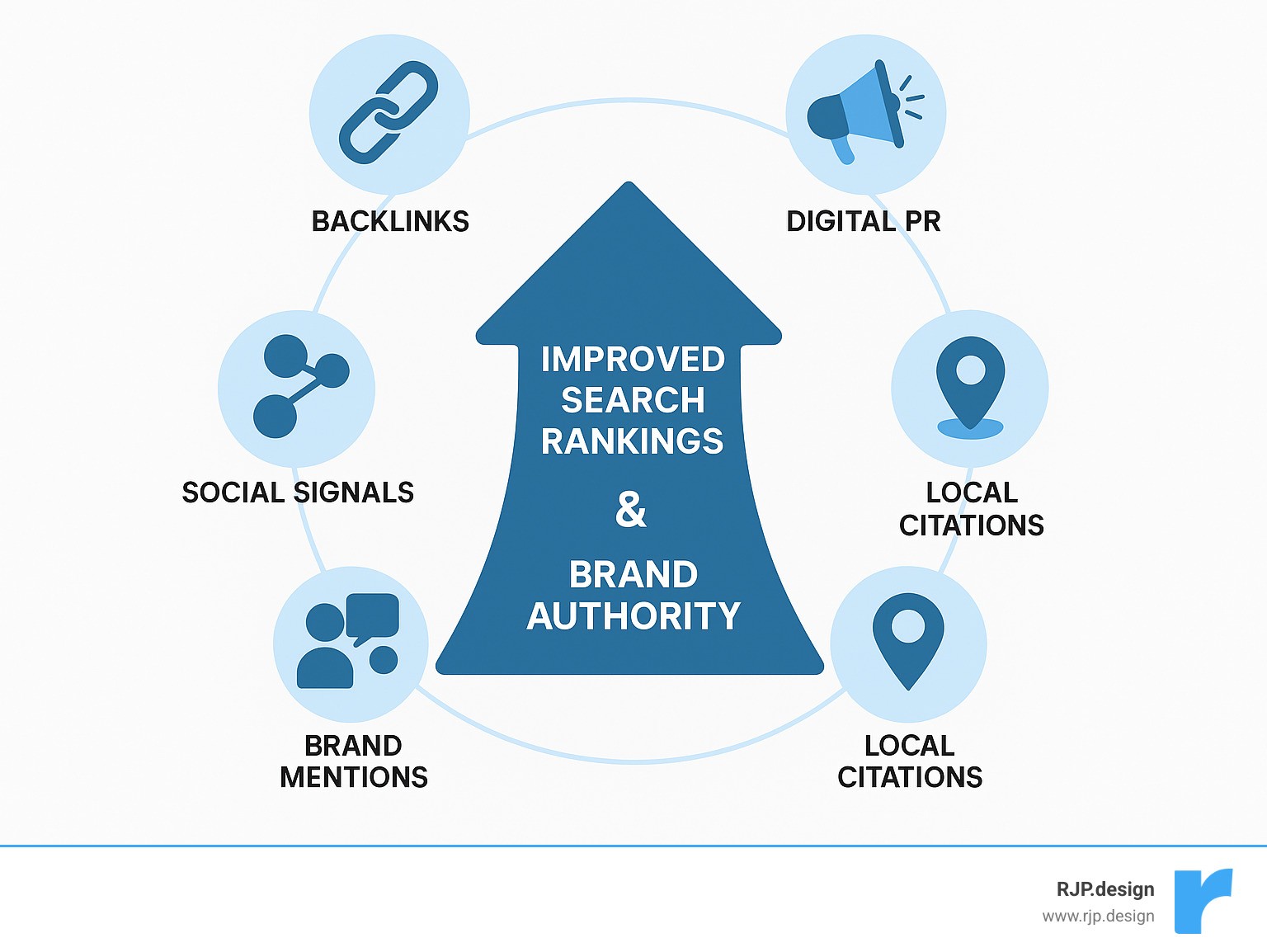
– Link Building – earn backlinks from high-authority, relevant sites
– Digital PR – secure coverage in news and industry publications
– Guest Content – appear on podcasts, blogs, and webinars
– Local Citations – keep business listings consistent across directories
– Social Signals – spark engagement and mentions on social media
– Brand Mentions – turn unlinked shout-outs into backlinks
– Content Assets – publish studies, tools, or guides people want to cite
Think of off-page SEO as Google’s popularity contest: backlinks are votes, brand mentions are trust signals.
Today, 60 % of searches end without a click. AI overviews and featured snippets deliver answers instantly, so your brand must be cited by the sources those systems pull from.
Google now scores your E-E-A-T (Experience, Expertise, Authoritativeness, Trustworthiness) largely through these external signals.
I’m Ross Plumer, and I’ve helped businesses generate over $20 million in revenue by building off-page authority.
Further reading:
– business citations seo
– content for local seo
– local keyword seo
What You’ll Learn
By the end of this guide you’ll know:
1. Why off-page SEO is the primary visibility driver in 2025.
2. The ranking signals that matter most.
3. Ten actionable tactics you can start today.
4. How to measure success and dodge common mistakes.
Off-Page SEO vs. On-Page & Technical: Setting the Stage
Think of SEO as building a house. Technical SEO is the foundation (site speed, mobile-friendliness). On-page SEO decorates the interior (keywords, headers, UX). Off-page SEO strategies are your home’s reputation in the neighborhood—how other sites talk about and link to you.
Google’s original PageRank still relies on these external votes of confidence.
Why Off-Page Matters in 2025
AI snippets now surface in more searches, and 60 % of queries end without a click. If trusted sources don’t mention your brand, you disappear from these zero-click results.
Latest research on zero-click searches confirms this shift. Authority earned off-site is no longer optional—it’s survival.
Off-Page SEO Strategies That Move the Needle
The biggest mistake businesses make is treating all off-page SEO strategies equally. They’ll spend weeks on random directories while ignoring unlinked brand mentions in their Google Alerts.
Some off-page tactics transform your search visibility, while others barely register. Focus on strategies that create a ripple effect – where one success leads to three more opportunities.
High-quality backlinks remain the heavyweight champion. When a respected publication links to your content, Google notices, competitors notice, and other sites want to reference you too.
The most powerful off-page SEO strategies work together. That TechCrunch mention becomes exponentially more valuable when amplified through social media, turning it into branded searches and social signals.
Digital PR and journalist outreach have become game-changers in 2025. With AI overviews pulling from authoritative news sources, getting featured in major publications isn’t just about backlinks – it’s about becoming part of AI knowledge bases.
Strategy | Effort Level | Impact Potential | Time to Results |
|---|---|---|---|
High-Authority Backlinks | High | Very High | 3-6 months |
Digital PR | Medium | High | 1-3 months |
Data-Driven Content | High | Very High | 6-12 months |
Broken Link Building | Medium | Medium | 1-2 months |
Community Engagement | Low | Medium | 1-3 months |
The key is building a diversified portfolio that reinforces your expertise from multiple angles.
1. Earn High-Authority Backlinks (Primary)
High-authority backlinks are digital endorsements that tell Google, “this content is trustworthy.” A handful of quality links outperforms hundreds of weak ones.
What makes a great backlink?
Relevance – a marketing blog linking to your marketing agency.
Placement – links woven into main article content (not footers).
Authority – established sites with real traffic and engagement.
Balanced anchor text – mostly branded or natural phrases, with a light mix of keywords.
Smart link building blends relationships with valuable content. See 4 Tactics for High-Quality Backlinks That Move the Needle for proven approaches.
The goal isn’t collecting links—it’s earning genuine endorsements from respected voices.
2. Data-Driven Content & Linkable Assets
Create something so valuable that people can’t help but reference it. That’s what happens when you publish original research and data-driven content.
Every time journalists or bloggers create content, they need credible statistics. When you become the source of those statistics, backlinks flow naturally.
Original research is your golden ticket. Even simple customer surveys can uncover insights the entire industry wants to discuss. Publishers love citing unique data because it makes their content more authoritative.
The magic ingredient is “information gain” – providing insights that don’t exist elsewhere. You don’t need massive budgets; sometimes the most powerful studies analyze data you already have.
Interactive tools like calculators generate backlinks for years. Comprehensive guides that become definitive resources also attract natural links.
Focus on topics your audience genuinely cares about. Identify knowledge gaps in your industry – what questions lack great answers? That’s your opportunity.
Present data in easily citable formats. Include quotable statistics and make findings downloadable for other content creators.
One well-executed industry survey can generate hundreds of backlinks and establish thought leadership. That’s the compound power of data-driven content.
3. Digital PR & Journalist Outreach
Digital PR is where off-page SEO strategies get exciting. Instead of begging for links, you’re helping journalists do their jobs better while earning genuine coverage.
Journalists need expert sources, and you need visibility. Digital PR bridges that gap naturally. When reporters quote you, that’s third-party validation Google absolutely loves.
Connectively (formerly HARO) is your gateway. Three times daily, journalists send queries looking for expert sources. These are real reporters at major publications needing quotes for articles they’re already writing.
Speed is everything – journalists work on tight deadlines, so responding within hours can make the difference between getting featured or ignored.
Social media monitoring opens more opportunities. When journalists tweet about your industry topics, jump in with helpful information. Many use #JournoRequest hashtags to find sources.
Building relationships with reporters who regularly cover your niche pays dividends. Engage with their content and provide value before asking for anything.
The key is having newsworthy angles ready. Your product launch might not interest national publications, but your insights on industry trends could. Focus on what makes your perspective unique and valuable to their readers.
4. Guest Podcast & Webinar Appearances
Audio content creates some of the most natural backlinks you’ll ever earn. When hosts mention your website during conversations, it doesn’t feel forced – it’s part of the story.
You’re borrowing someone else’s audience for an hour, sharing expertise with engaged listeners who often become qualified prospects.

SEO benefits go beyond show notes backlinks. Podcast appearances trigger branded searches – listeners hear something interesting and immediately Google your name. This surge in branded search volume signals relevance to search engines.
Webinars work similarly with added visual elements. Many platforms create permanent landing pages for past events, providing additional backlink opportunities.
Target the right shows. A podcast with 500 engaged listeners in your niche delivers better results than a general business show with 50,000 downloads. Quality beats quantity.
When reaching out, focus on specific insights or experiences that would genuinely help their audience solve problems, not generic advice.
Podcast episodes stay accessible for years, creating ongoing traffic and authority benefits from single appearances.
5. Broken Link & “Broken Content” Building
Broken link building works because you’re solving real problems while earning valuable backlinks. You’re not asking for favors – you’re helping website owners fix their sites.
The advanced technique targets popular pages that have been deleted or downgraded. Maybe a comprehensive guide got removed during a website redesign. These gaps create opportunities for your content.
The process starts with detective work. Use Site Audit tools to scan relevant industry websites for broken external links. Check the Wayback Machine to see what original linked content covered.
Once you understand what was lost, create something better. Your replacement should improve on the original by being more comprehensive, current, or useful.
Outreach requires personal touch. Explain exactly which link is broken and why your content makes a perfect replacement. Website owners appreciate specific details and clear solutions.
This strategy creates win-win situations. Website owners fix problems frustrating their visitors, and you earn relevant backlinks from sites that already demonstrated willingness to link to content like yours.
6. Content Syndication & Repurposing
Content syndication gives your best ideas second lives on different stages. Instead of creating entirely new content for every platform, strategically share existing work where new audiences can find it.
That comprehensive guide you spent weeks crafting can become a Medium article, LinkedIn newsletter series, and YouTube video – all driving traffic back to your original content.
Medium has become a powerhouse for republishing blog content. Writers regularly see Medium versions outperform originals in engagement.
LinkedIn Articles work particularly well for B2B content, putting insights in front of professionals already in business mindsets.
Don’t worry about duplicate content penalties. Google says about preferred versions that canonical tags properly tell search engines which version is original.
Industry publications offer syndication opportunities. Many trade magazines accept republished content, especially with exclusive insights for their audiences.
The real magic happens when you repurpose content across formats. Blog posts become podcast episodes, then infographics, then social media series. Each format reaches different learning preferences.
Smart syndication maximizes content investment while building authority across multiple platforms.
7. Local SEO & Citations
For businesses serving specific geographic areas, local off-page SEO strategies can make or break online visibility. When someone searches “web designer near me,” you want to be the first result.
Local SEO works differently because it’s about proving to Google that you’re a legitimate, trustworthy business in your area through citations – mentions of your business name, address, and phone number across the web.
Google Business Profile optimization is your starting point. This free listing appears in Google Maps and local search results, often before regular website listings. Complete profiles with quality photos and regular updates build trust.
NAP consistency is crucial. Your Name, Address, and Phone number must match exactly across every platform. Even small differences like “Street” vs “St.” can confuse search engines.
Google Maps Optimization becomes especially important when local pack results often capture customers before they scroll to regular website results.
Building quality citations requires strategic approach. Audit current listings for inconsistencies, then prioritize high-value directories – both general local directories and industry-specific ones.
Focus on authoritative sites rather than getting listed everywhere. Tools like Brightlocal’s Citation Tracker help monitor citations and catch changes.
Review management ties everything together. Encourage satisfied customers to leave reviews and respond to all reviews professionally.
8. Social Media & Influencer Amplification
Social media might not give direct ranking boosts like backlinks, but don’t underestimate its power in off-page SEO strategies. While most social links are nofollow, they create ripple effects search engines notice.
When your social media game is strong, people find your content, search for your brand name, and sometimes link from their own sites. It’s like planting seeds that grow into organic backlinks.
LinkedIn has become the powerhouse for professional content. Posts often show up in Google search results, giving extra visibility.
YouTube is technically the second-largest search engine, and videos frequently appear in Google results too.
TikTok drives serious brand awareness. People find brands on TikTok, then search for them on Google. Those branded searches tell Google your business is worth attention.
Smart social media strategy creates authentic engagement rather than broadcasting. Share behind-the-scenes glimpses, jump into industry conversations, and actually respond to comments.
Influencer collaborations amplify this effect. When someone with established audience mentions your brand, followers often search for you afterward. Choose influencers whose values align with yours.
Google’s Quality Rater Guidelines mention social media 47 times, showing search engines pay attention to social signals as part of overall online reputation.
9. Community & Forum Authority
Building authority in online communities is one of the most underused off-page SEO strategies. When you consistently provide helpful insights in relevant forums, you’re establishing yourself as a trusted expert.
People start recognizing your expertise, seeking out your content, and naturally linking to your resources. It’s like having a 24/7 networking event showcasing your knowledge.
Reddit offers incredible opportunities if approached correctly. Find subreddits where your target audience hangs out and genuinely participate. Share experience-based insights and avoid self-promotion until you’ve built credibility.
Quora works particularly well for B2B businesses. The platform promotes high-quality answers, and detailed responses often rank in Google search results.
Industry-specific forums provide highest quality engagement. These niche communities have smaller but highly targeted audiences. Helpful answers in specialized forums can carry more weight than dozens of generic social media posts.

The key is patience and authenticity. Focus on building genuine relationships. Provide detailed, thoughtful responses rather than quick one-liners. When including links, ensure they genuinely add value to discussions.
Consistency matters more than frequency. Regular meaningful participation in two communities beats sporadic posting in ten different places.
10. Offline Events & Sponsorships
Your off-page SEO strategies don’t have to stay online. Some of the most powerful authority signals come from real-world activities that generate digital buzz.
When you speak at conferences, you don’t just reach people in the room. Event websites link to your bio. Attendees share photos on LinkedIn. Publications might cover your presentation. One offline appearance creates ripple effects of online mentions.
Conference speaking remains high-impact. You establish thought leadership while earning backlinks from event websites, speaker directories, and industry publications covering events. Choose events where your ideal customers actually attend.
Event sponsorship works differently but equally powerfully. Sponsoring relevant conferences typically provides backlinks from event websites, mentions in promotional materials, and social media coverage.
Don’t overlook hosting your own meetups. This positions you as a community connector while generating natural mentions from attendees and local business publications.
Awards participation might seem old-fashioned, but industry recognition creates lasting authority signals. Even nominations often result in press coverage and backlinks from award websites.
The beauty of offline events is their authenticity. When someone mentions your presentation or shares photos from your sponsored booth, it feels genuine because it is genuine.
At RJP.design, we’ve seen clients dramatically increase online authority through strategic offline participation. The combination of real-world expertise and digital amplification creates powerful foundations for long-term SEO success.
Social, Local & Brand Signals: Beyond Backlinks
Off-page SEO strategies today go beyond collecting backlinks. Google’s gotten smarter about understanding your brand’s overall reputation through signals you might not realize matter.
If backlinks are votes of confidence, then brand signals are character references. They tell search engines whether you’re a legitimate, trustworthy business deserving good rankings.
Branded search volume is huge. When people search specifically for your company name, that’s a powerful Google signal. This is why podcast appearances and speaking gigs work so well – they get people curious enough to search for your brand later.
Your social media presence needs consistency and activity across platforms. Keep profiles updated, share valuable content, and actually engage with audiences. These profiles often show up in branded search results.
The Knowledge Graph is Google’s way of organizing business information. Consistent information across the web – website, social profiles, business listings – helps Google confidently display your business details in search results.
Review profiles across multiple platforms build credibility beyond SEO. They influence rankings and whether potential customers choose your business.
Citation consistency might sound boring, but it’s essential. Your business name, address, and phone number need exact matches across every platform.
More info about Local SEO Services shows how these pieces fit together, especially for local market businesses.
Building Trust with Reviews & Testimonials
Reviews have become permanent, searchable word-of-mouth marketing. Google treats them as crucial trust signals, especially for local businesses.
Encouraging authentic reviews starts with making the process simple. Send follow-up emails with direct links to your Google Business Profile. Include review requests in email signatures.
Responding professionally to every review shows you care about customer feedback. Thank people for positive reviews and address negative ones with solutions rather than excuses.
Monitoring multiple platforms keeps you ahead of your reputation. Set up Google Alerts for your business name plus “review” or “complaint.” Check industry-specific review sites regularly.
Leveraging Unlinked Brand Mentions (Primary)
This is one of my favorite off-page SEO strategies because it’s like finding forgotten money. Every day, websites mention brands without linking to them. With simple, polite emails, many mentions become valuable backlinks.
Finding unlinked mentions requires proper monitoring. Google Alerts for your brand name (in quotes for exact matches) catches many mentions. Social media monitoring tools find conversations Google Alerts might miss.
The conversion outreach process is straightforward. When you find unlinked mentions, send brief, friendly emails thanking them for mentioning your brand. Then politely ask if they’d consider linking to help their readers learn more.
Success rates are often much higher than cold outreach because websites already know about you and thought you were worth mentioning.
Tracking Success & Avoiding Pitfalls
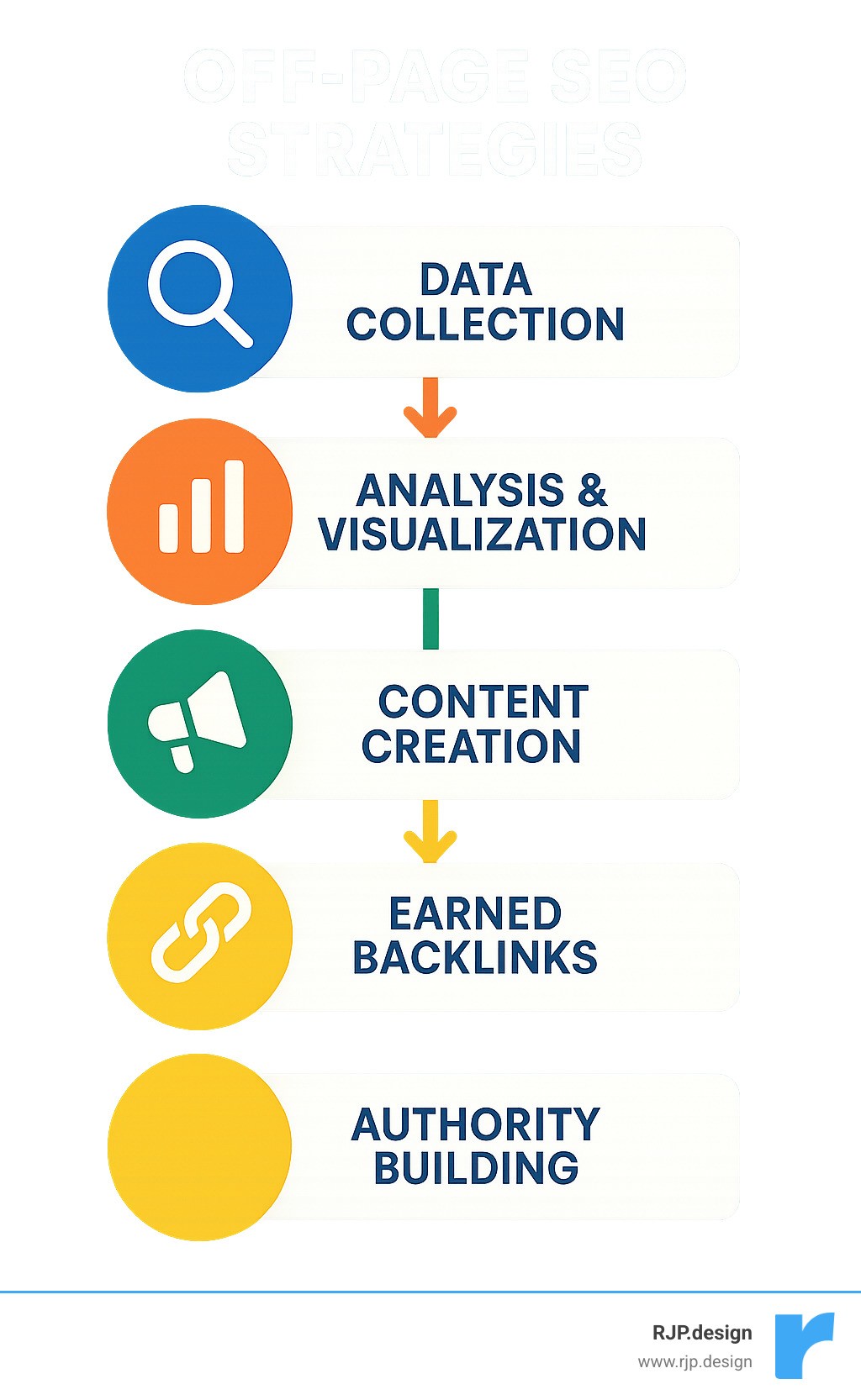
Measuring your off-page SEO strategies isn’t just about counting backlinks. The most successful campaigns track activities you’re doing and results you’re getting.
The metrics that actually matter include domain authority scores, quality and relevance of linking sites, traffic those external sites send, and how often people search specifically for your brand name. Social mentions and review ratings complete your online reputation picture.
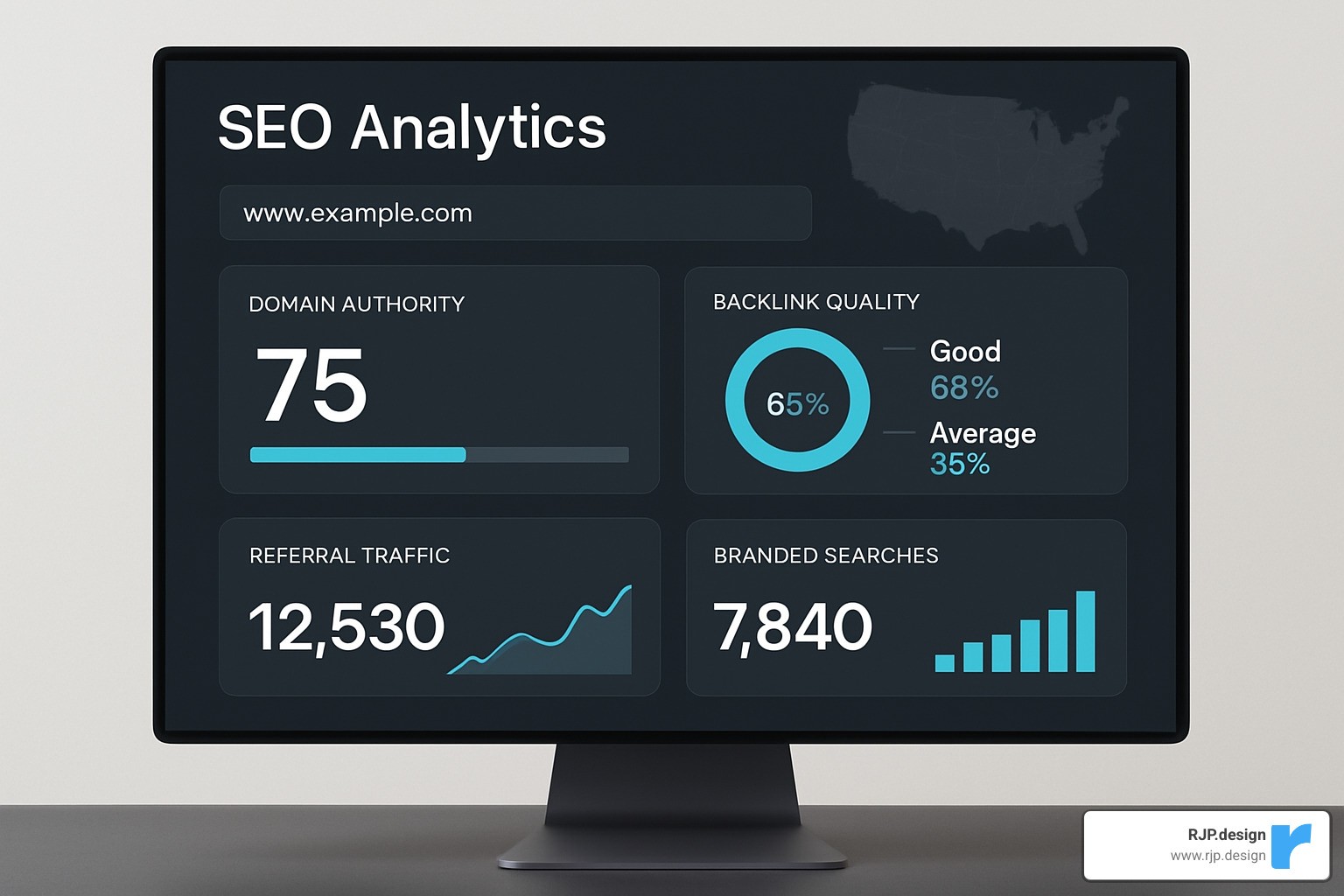
Off-page SEO is a long-term game. You might launch digital PR campaigns today and not see full impact for three to six months. Establishing baseline measurements is crucial.
The biggest mistakes revolve around impatience and shortcuts. Some focus purely on getting as many backlinks as possible, ignoring whether those links actually help rankings. Others chase links from completely unrelated websites.
Toxic links are major pitfalls. Search engines spot manipulative link schemes and penalize sites for participating. Monitor your backlink profile and use the disavow tool when necessary. Better to have fewer high-quality links than hundreds of spammy ones.
Tools & Dashboards
Having the right tools makes the difference between guessing and knowing what’s working. You don’t need every expensive tool, but you need reliable ways to find opportunities, execute campaigns, and measure results.
Google Search Console and Google Analytics should be starting points since they’re free and provide essential backlink and referral traffic data.
For deeper analysis, Semrush Backlink Analytics offers comprehensive insights into your link profile and competitor strategies.
Brand monitoring tools help find unlinked mentions and track online reputation. Google Alerts for your brand name is a good start, but specialized tools provide more comprehensive coverage.
Choose tools matching your current needs and budget, then use them consistently rather than jumping between platforms.
Frequently Asked Questions about Off-Page SEO Strategies
What makes a “quality” backlink in 2025?
A quality backlink in 2025 isn’t just about the linking website’s authority – though that matters. The best backlinks feel natural and genuinely helpful to readers.
Topical relevance is crucial. A link from a marketing blog to your SEO guide carries far more weight than a random link from a cooking website. Google’s algorithms understand context and relevance.
The placement within content makes huge differences. Links embedded naturally within main article content perform much better than sidebar or footer links. Editorial links suggest authors genuinely found your content valuable enough to reference.
Natural anchor text is essential for avoiding penalties. Quality backlinks use varied phrases like “this helpful guide” or “according to recent research” rather than always using “SEO services.”
Most importantly, the linking site should have real traffic and engagement. High domain authority means nothing if the site gets no visitors.
Do social media links help rankings?
While social media links are typically nofollow and don’t directly boost search rankings, they absolutely contribute to overall SEO success.
Social signals work like amplifiers. When content gets shared widely on social media, it increases visibility and can lead to natural backlinks from people finding your content through social channels.
Branded searches are where social media really shines for SEO. When people see your brand mentioned on social platforms, they often search for you on Google. This increase in branded search volume signals to Google that your brand is gaining popularity.
Social profiles also frequently rank for branded searches, helping you control more search results when people look for your business name.
How can I measure ROI on off-page efforts?
Measuring return on investment for off-page SEO requires patience and proper tracking setup. Unlike paid advertising, off-page SEO strategies often take months to show full impact.
Start by establishing baseline measurements before launching campaigns. Track current organic traffic, keyword rankings, branded search volume, and referral traffic.
Organic traffic growth is often the most important metric. Monitor not just total increases, but which pages gain traffic and from what keywords.
Don’t overlook referral traffic from backlinks. High-quality links should send actual visitors, not just pass authority.
For local businesses, measure local pack visibility improvements and increases in phone calls or form submissions.
Branded search volume is a powerful but often overlooked indicator. When off-page efforts build brand awareness, more people search for your business name directly, creating a virtuous cycle.
Conclusion
Off-page SEO strategies have transformed from simple link swapping to sophisticated brand building. Today’s search landscape demands genuine authority that shows up everywhere people look for your business.
With 60% of searches ending without clicks, your brand needs to appear in AI overviews, featured snippets, and trusted publications. You can’t just hope people find your website – you need to be where conversations happen.
At RJP.design, we’ve learned that effective off-page SEO strategies work like compound interest. Each quality backlink strengthens authority. Every positive review builds trust. Each social mention expands reach. Over time, these signals create unstoppable momentum competitors struggle to match.
Our approach focuses on building real relationships and creating genuine value. We don’t chase quick fixes or manipulative tactics. Instead, we help businesses develop online reputations that naturally attract links, mentions, and customers.
Businesses winning in 2025 understand that diversification is everything. They’re not just building links – they’re appearing on podcasts, earning press coverage, engaging in communities, and creating content people actually want to share.
Your off-page strategy should reflect your business personality. If you’re naturally good at networking, focus on relationship-based tactics like digital PR and community engagement. If you love data, lean into creating research studies and linkable assets. The key is consistency over perfection.
Off-page SEO is a marathon, not a sprint. The authority you build today protects you from algorithm changes tomorrow. It creates a moat around your business that gets stronger with time.
Your competitors are already building their authority. The question isn’t whether you need off-page SEO strategies – it’s whether you’ll start building yours today or watch others claim the visibility that should be yours.
Business Growth Online starts with understanding your unique strengths and building an off-page strategy that amplifies them naturally.