
SEO
Local Listings Optimization Made Simple (Even Your Grandma Could Do It)
Jul 18, 2025
Optimize local listings: Simple Guide 2025
Why Optimizing Local Listings is Your Business’s Digital Lifeline
When customers search for businesses like yours, they turn to Google. If you don’t optimize local listings, you’re invisible to the vast majority of consumers evaluating local businesses online. Optimizing your presence on Google Search and Maps is essential for attracting new customers.
This guide provides simple, actionable steps that work, cutting through the technical jargon. Here’s how to get started:
Claim your Google Business Profile: Verify ownership and fill out every section.
Ensure NAP Consistency: Keep your Name, Address, and Phone number identical everywhere.
Understand the “Big Three”: Focus on Relevance, Distance, and Prominence to rank higher.
Manage Reviews: Collect and respond to all customer reviews.
Use Photos and Updates: Businesses with more photos get significantly more calls and clicks.
My name is Ross Plumer, and I’ve helped businesses drive millions in revenue by mastering these fundamentals. Success comes from consistent execution, not complex tricks.
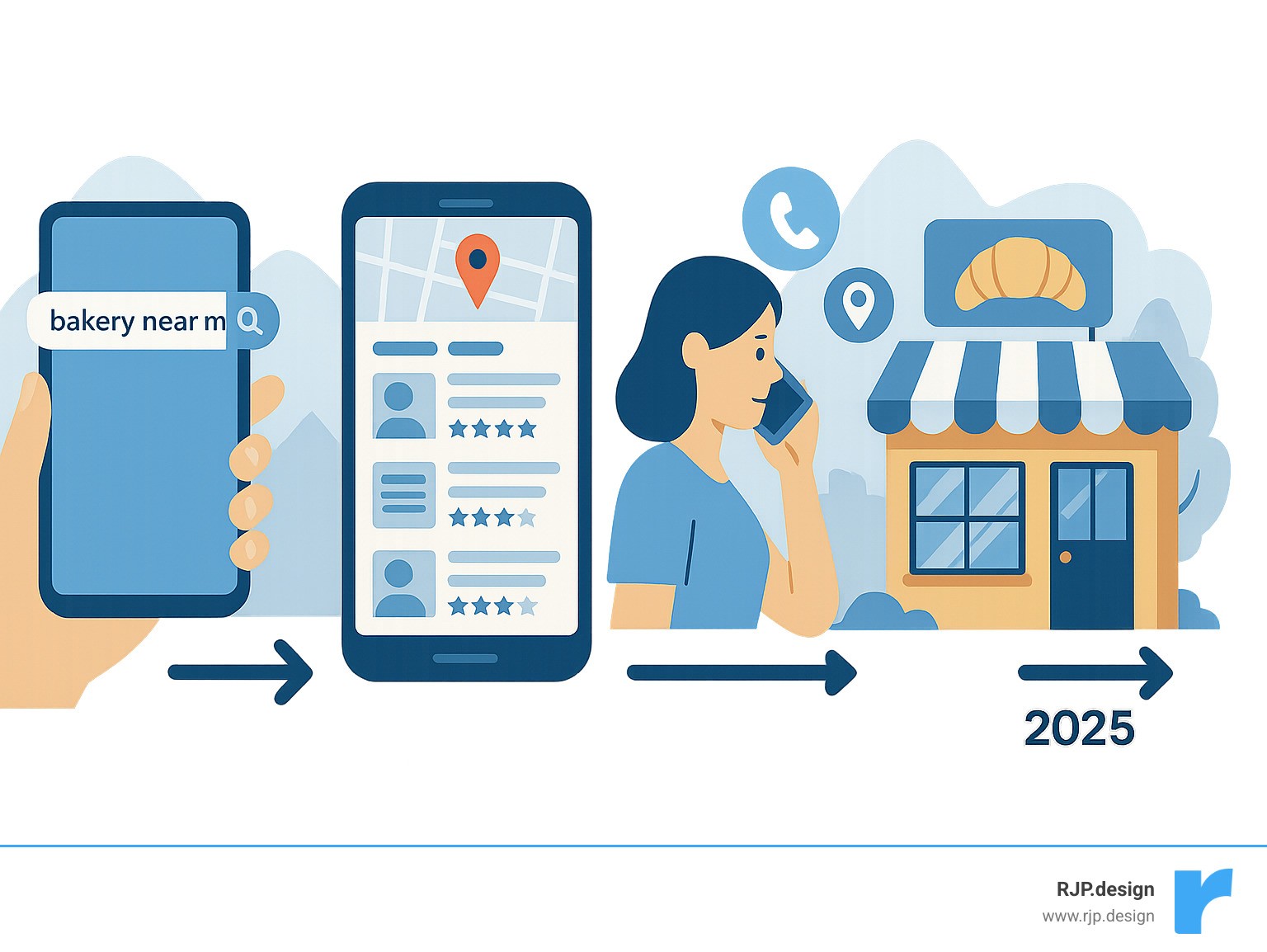
Optimize local listings terms you need:
The Foundation: Setting Up Your Google Business Profile
Your Google Business Profile (GBP) is your digital front door. To optimize local listings, you must start here. A complete, verified profile is essential for appearing in Google Search and Maps and can dramatically increase your leads.
Claiming, Verifying, and Completing Your Profile
First, claim and verify your GBP to control your business information. Go to business.google.com to find your business or create a new listing. Google will verify you’re the owner, usually by sending a postcard with a code to your business address. Phone, email, or even video verification may also be options. It’s crucial to claim an existing profile rather than creating a duplicate, which can confuse Google and customers. For detailed steps, see Google’s guide on how to add or claim your Business Profile.
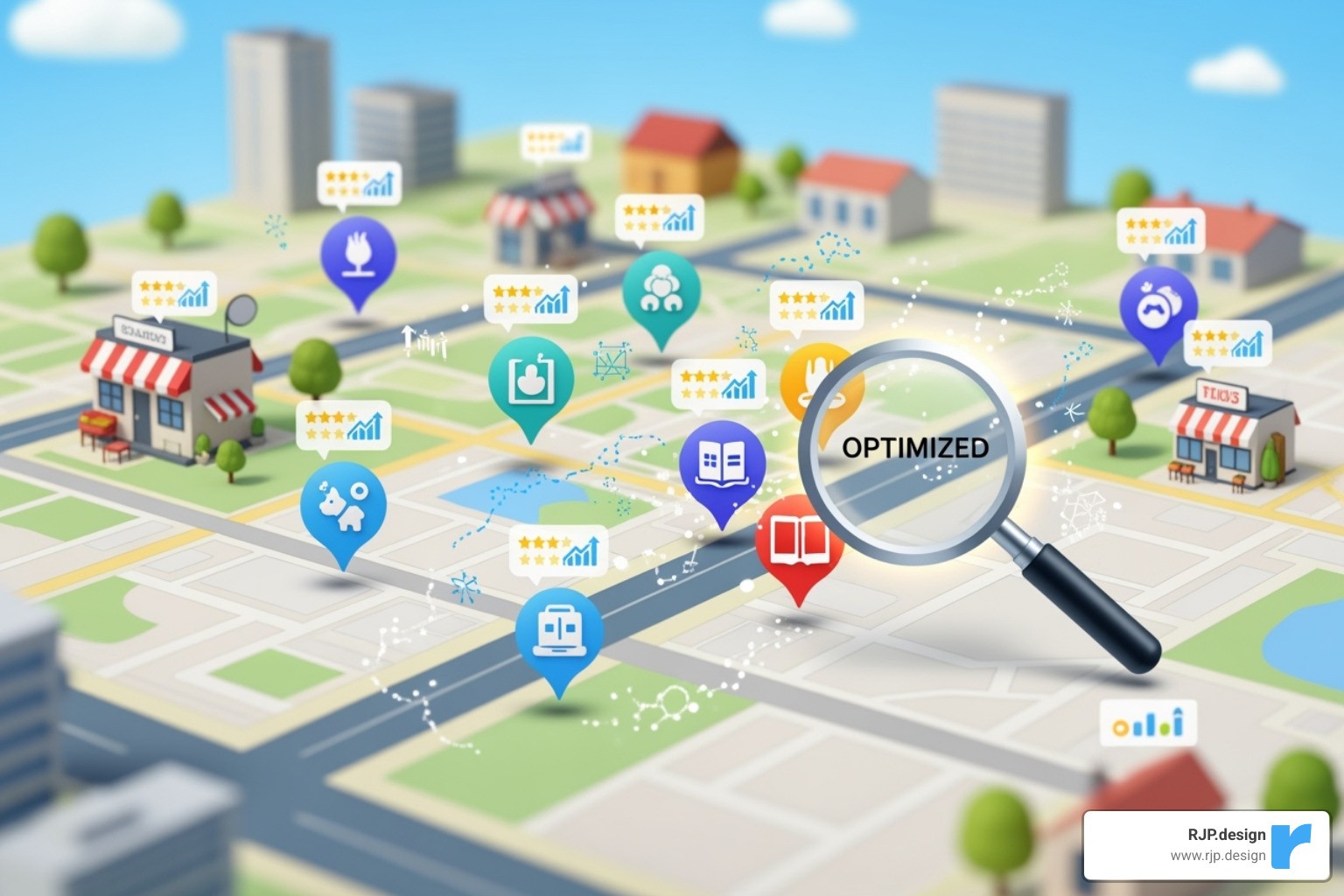
Once verified, fill out every section with accurate information:
Business Name: Use your exact, official name without extra keywords.
Address & Phone: Ensure your address is precise and your phone number is a direct, local line.
Website & Hours: Link to your website and keep all operating hours, including holidays, updated.
Categories: Choose a specific primary category (e.g., “Nail Salon” instead of “Salon”) and add relevant secondary categories.
Products/Services: List everything you offer with detailed descriptions.
Description: Use the 750-character “From the Business” section to tell your story and highlight what makes you unique.
Attributes: Select features like “Wi-Fi,” “wheelchair accessible,” or “outdoor seating.”
Photos & Videos: Add high-quality visuals of your space, products, and team.
Regularly review your profile for accuracy, as Google allows user-suggested edits. At RJP.design, we help businesses establish a strong online presence through services like Local Business SEO.
How Google Ranks You: The “Big Three” Local Factors
Why do some businesses appear first in local search? It’s not about paying Google; you can’t pay for better local rankings. Instead, Google’s algorithm uses three core factors to find the best match for a searcher: Relevance, Distance, and Prominence. Mastering these is the key to optimizing your local listings.
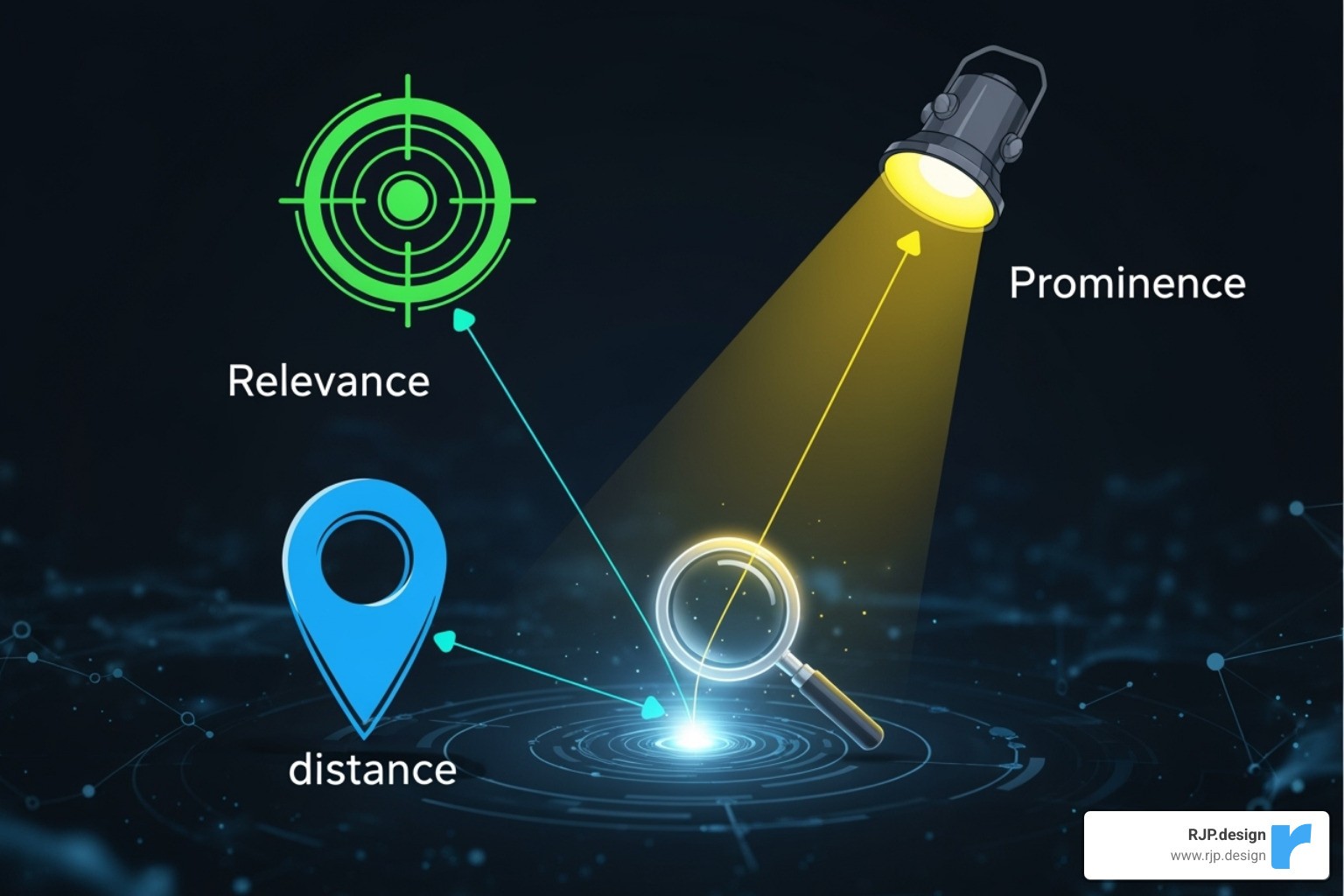
Understanding these factors, which Google explains in its local ranking documentation, is the first step to improving your Local Search Results.
Relevance: Matching What Searchers Want
Relevance is how well your business profile matches a search query. To improve it, make it clear what you do. Use specific keywords naturally in your business description and service listings. For example, instead of “pet services,” use “professional dog grooming and nail trimming.” Choosing the most specific business category (e.g., “Vegan Restaurant” over just “Restaurant”) is also critical.
Distance: How Close Are You to the Customer?
Google prioritizes businesses that are physically close to the searcher’s location. For storefronts, this means your address must be perfectly accurate. For service-area businesses, you must clearly define the areas you serve in your GBP. This is a fundamental part of Google Maps Optimization.
Prominence: How Well-Known is Your Business?
Prominence is about your business’s reputation, both online and off. It’s influenced by:
Reviews: The quantity, quality, and velocity of your Google reviews are huge factors.
Backlinks: Links from other reputable websites (like local news or business associations) act as votes of confidence.
Citations: Consistent mentions of your business’s Name, Address, and Phone Number (NAP) across online directories and social media build trust.
Brand Mentions: Even unlinked mentions of your brand across the web contribute to your authority.
How to Optimize Local Listings for Maximum Visibility
Now it’s time to turn your Google Business Profile into a customer-attracting powerhouse. This means going beyond a complete profile and actively engaging with your community through reviews, visuals, and regular updates.

For more advanced strategies, see our guide on Google My Business Optimization.
Leveraging Customer Reviews for Trust and Rankings
Customer reviews are digital word-of-mouth, boosting both your rankings and customer trust. Since most happy customers forget to leave a review, you need to ask. Make it part of your process by asking satisfied customers in person or following up with an email or text containing a direct review link.
Responding to every review is non-negotiable. Thank positive reviewers personally. For negative reviews, respond professionally, acknowledge the issue, and offer to resolve it offline. This shows potential customers you care. Google offers great tips on how to read and reply to reviews.
The Power of Visuals: Photos and Videos
To optimize local listings effectively, you need great visuals. Businesses with over 100 photos get dramatically more calls and direction requests. Use clear, high-quality photos of your interior, exterior, products, services in action, and your team. Avoid stock photos. Add at least one new photo weekly to keep your profile fresh. Videos are also powerful; consider a short tour or product demonstration. Learn more about Mastering Local SEO with Video.
Using Google Posts and Q&A to Engage Customers
Your GBP is a dynamic communication channel. Use Google Posts weekly to share promotions, events, offers, and updates. These mini-posts appear directly in search results and keep your profile active.
The Q&A feature is another powerful tool. Monitor it closely to answer questions promptly and accurately. Proactively add your own frequently asked questions and answers to provide helpful information upfront and control the narrative.
Beyond Google: Building a Consistent Online Footprint
While your Google Business Profile is the star, a consistent online presence across the entire web is crucial to optimize local listings. Google looks for confirmation of your business details across the internet. When it finds the same accurate information everywhere, it trusts your business more, which boosts your prominence. This is the foundation of Business Citations SEO.
Why NAP Consistency is Non-Negotiable
NAP stands for Name, Address, Phone Number. This information must be identical everywhere your business is listed online, down to details like “St.” vs. “Street.” Inconsistencies confuse search engines and customers, leading to lower rankings and lost business. Establish one official NAP format and use it on your website, GBP, social media, and all directory listings. Regularly audit your online presence to correct any discrepancies. This consistency is a core part of Local Citations SEO.
Building Local Citations and Backlinks
Citations (mentions of your NAP) and backlinks (links to your website) from other sites build your local authority.
Citations: Get listed in major directories like Yelp and Yellow Pages, as well as industry-specific directories (e.g., TripAdvisor for restaurants). Ensure your social media profiles also have correct NAP information.
Backlinks: Earn powerful local backlinks through community involvement. Sponsor a local sports team or community event, as they often link back to sponsors. Reach out to local news outlets with interesting stories about your business. Join your local Chamber of Commerce, which typically lists members in an online directory with links. Authentic community engagement is the best way to build a strong backlink profile.
Your Website and Analytics: Tying It All Together
Your local listings drive traffic, but your website is where you convert visitors into customers. Your site must be optimized for local search and provide a great user experience to capitalize on the traffic from your GBP.
Optimizing Your Website for Local Search
Your website needs to speak a local language.
Location Pages: If you have multiple locations, create a unique page for each one with local content, testimonials, and an embedded map.
Local Keywords: Naturally include location-specific keywords (e.g., “bakery in downtown Springfield”) in your page titles, descriptions, and content.
Local Schema: Use local business schema code to help search engines understand your NAP, hours, and business type.
Mobile-Friendliness: Most local searches happen on mobile. Your site must be fast and easy to use on any device, meeting Google’s Core Web Vitals standards.
For more tips, see our guide on Local Business SEO Tips.
Monitoring and Analytics: How to Continuously Optimize Local Listings
Local SEO is an ongoing process. Use the free Insights in your Google Business Profile to track performance and adapt your strategy.
Key metrics to watch:
How customers find you: See if they search for your name directly or find you by searching for a category, product, or service.
Search queries: Use the exact terms people use to find you to refine your content.
Customer actions: Track clicks to your website, direction requests, and phone calls to see what’s working.
Photo engagement: Compare your photo views to competitors to gauge the impact of your visuals.
Regularly reviewing this data helps you make informed decisions to improve your local visibility. Learn more about using insights and analytics.
Frequently Asked Questions about Local Listings
Here are answers to the most common questions we get from business owners about getting found online.
How long does it take to see results from optimizing my local listings?
While some changes, like updated hours, appear within a day or two, ranking improvements take time. You might see initial visibility within a week of verifying your Google Business Profile. However, achieving a top spot in the local pack typically takes 2 to 3 months of consistent effort, including gathering reviews and adding content. Patience and consistency are key.
Can I pay Google for a better local ranking?
No. You cannot pay Google for better organic local rankings. You can pay for Google Ads, which appear separately with an “Ad” label, but this does not influence your position in the organic map pack. Your ranking is earned based on relevance, distance, and prominence—not your budget. This levels the playing field for small businesses that provide excellent service.
What’s the most important part of optimizing a local listing?
If you do only two things, focus on these: a completely filled-out Google Business Profile and active review management. A complete profile is your foundation, giving Google all the information it needs to rank you. Actively encouraging and responding to reviews is crucial because they heavily influence both Google’s algorithm and the 77% of consumers who read them before making a purchase. This combination builds trust with both search engines and customers.
Conclusion
To optimize local listings is to build a direct path for customers to find your business. The strategies in this guide are proven methods that any business can use to improve its local visibility.
Your journey starts with your Google Business Profile. Claim it, complete it, and keep it active. Focus on Google’s “Big Three” ranking factors—relevance, distance, and prominence—by being the best, most helpful resource for your local community.
Remember these key actions:
Encourage and respond to all customer reviews.
Use high-quality photos and videos to tell your story.
Ensure your Name, Address, and Phone (NAP) are consistent everywhere.
Monitor your analytics to see what’s working.
Local SEO is not a one-time task but an ongoing conversation with your customers and community. Consistent effort will yield lasting results.
At RJP.design, we know that managing this while running a business is a challenge. Our down-to-earth team is here to handle the complexities of your online presence so you can focus on serving your customers. We genuinely care about your success.
Ready to transform your local visibility and attract more customers? Let’s talk.
Get a free consultation on your Google Search Optimization strategy and find how we can help you dominate local search.