
SEO
Boost Your Plumbing Business with Plumber Local SEO: A How-To Guide
Aug 30, 2024
The Power of Local SEO for Plumbers
Plumber local seo is essential for any plumbing business looking to thrive in today’s competitive market. It helps you capture local customers right when they need your services, improving your visibility on search engines and driving more traffic to your website. Here’s a quick answer for those in a hurry:
Importance:
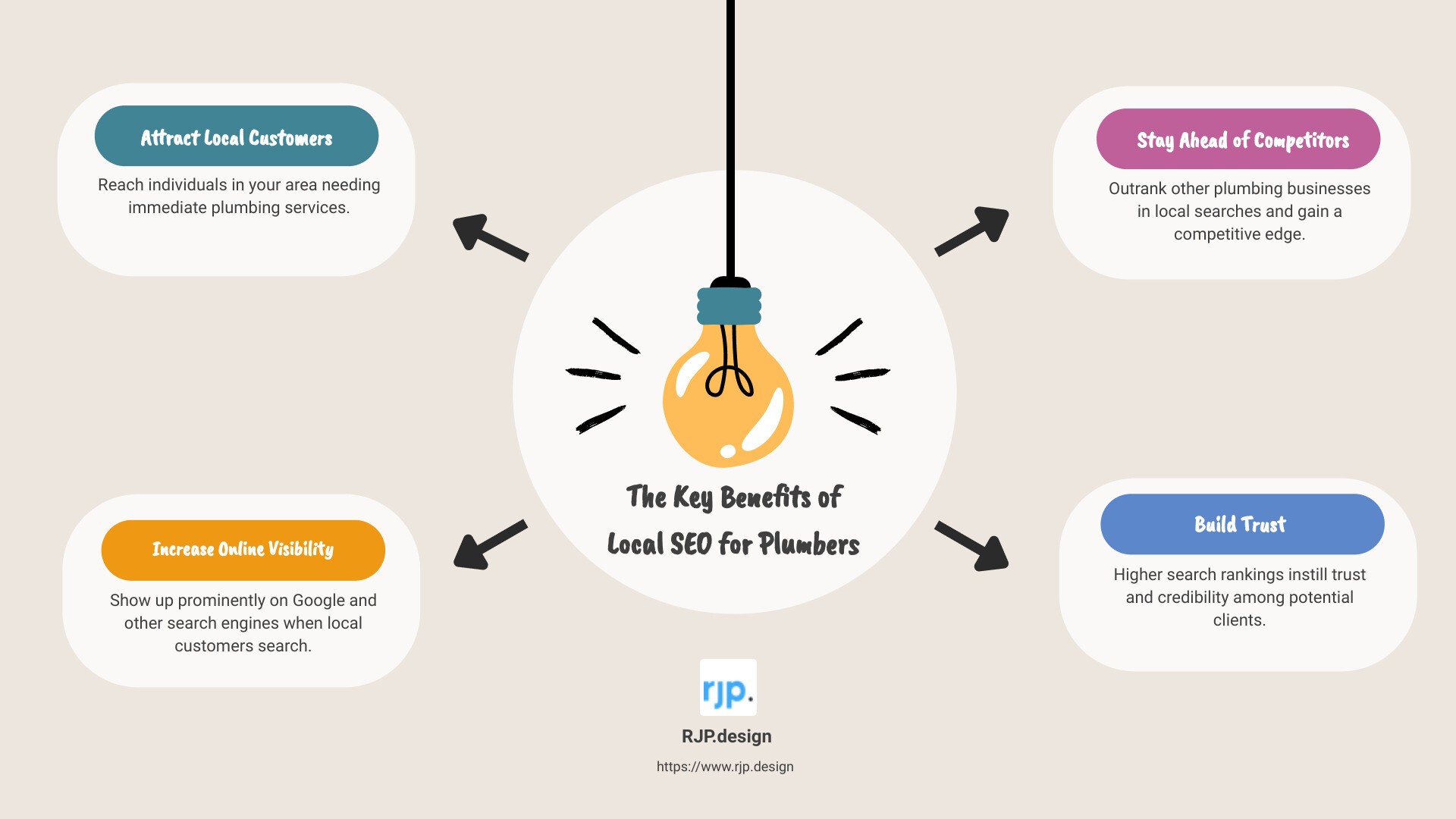
Attract Local Customers: Reach people searching for plumbing services in your area.
Increase Online Visibility: Appear prominently on Google and other search engines.
Stay Ahead of Competitors: Outrank your competition for local searches.
Build Trust: High search rankings foster customer trust.
The plumbing market is highly competitive. With so many businesses vying for attention, standing out online is crucial. Having a strong local SEO strategy can be the difference between being the go-to plumber in your area or getting lost in a sea of competitors.
Local SEO ensures your business appears front and center when potential customers search for plumbing services nearby. This boosts your online visibility and positions your business as a trusted, go-to provider.
I'm Ross Plumer, an expert in plumber local seo specialized in helping businesses grow their online presence and thrive in competitive markets. With over $20 million in revenue driven for high-revenue companies, I bring a wealth of experience and proven strategies to help your plumbing business succeed.
Why Local SEO is Essential for Plumbers
Investing in local SEO is a game-changer for plumbers. It's your ticket to getting noticed by customers who need your services right now. Here's why it's essential:
Local Search Statistics
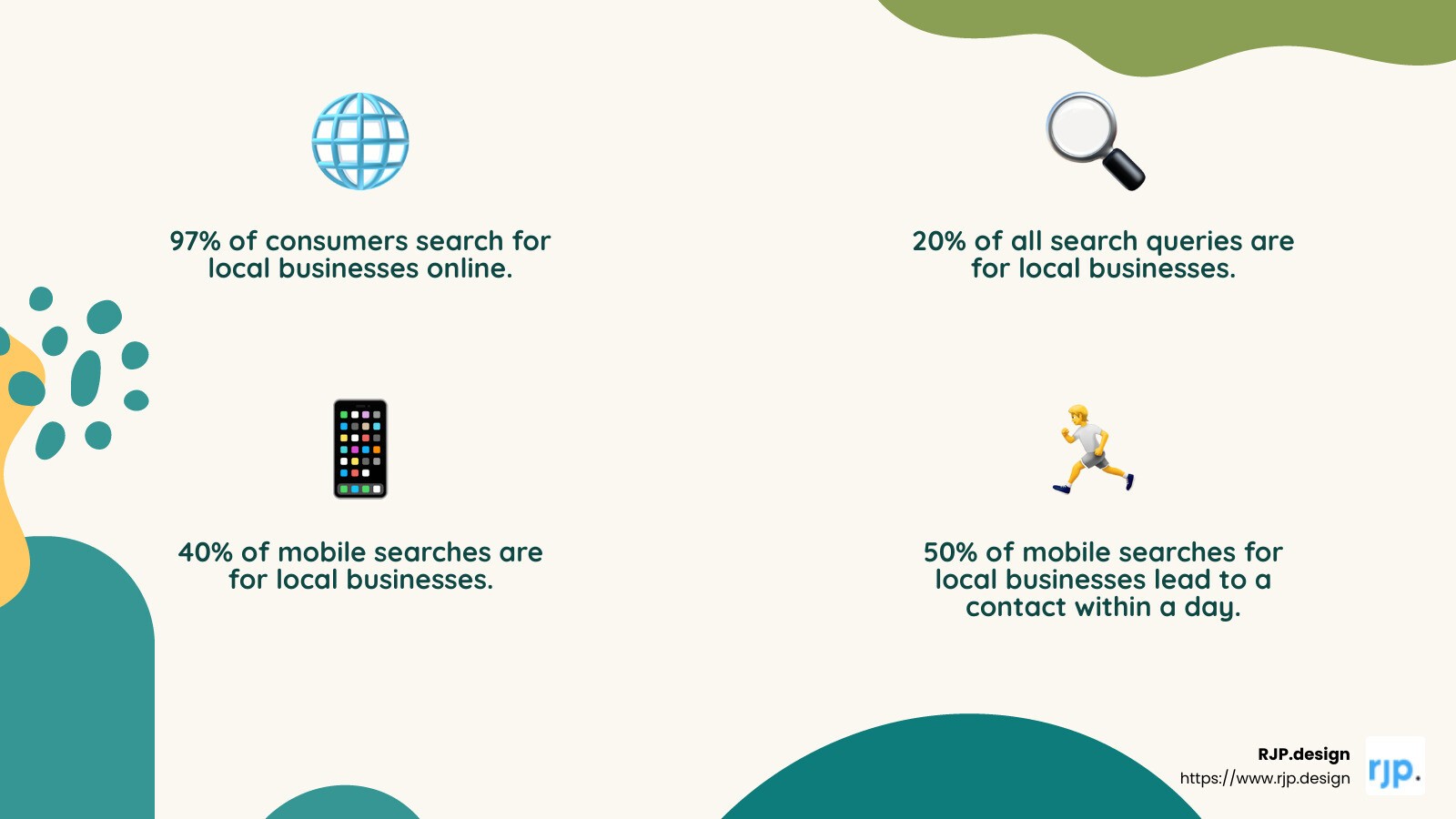
Did you know that 97% of consumers search for local businesses online? This means almost everyone is looking up services like plumbing on Google rather than flipping through the Yellow Pages.
20% of all search queries are for local businesses.
40% of mobile searches are for local businesses.
50% of mobile searches for local businesses lead to a visit, phone call, or other contact within a day.
Free Traffic (Every Month)
Once your plumbing business ranks high in local searches, you get a steady stream of free traffic. Unlike paid ads, which cost money every time someone clicks, organic search traffic is free. This makes local SEO one of the most cost-effective ways to market your plumbing services.
Fast Results (in as little as 30 days)
In local SEO, you're only competing with other plumbers in your area, not the entire internet. This limited competition means you can see results quickly. Many plumbing businesses achieve first-page visibility within 30 days of implementing a robust local SEO strategy.
Cost-Effective Marketing
High rankings from a successful local SEO campaign drive free traffic and conversions, making it incredibly cost-effective. You don't have to spend a fortune on ads. Instead, invest in a solid SEO strategy, and enjoy the benefits of ongoing, free traffic to your website.
By incorporating local SEO into your marketing strategy, you can effectively attract more customers, increase your online visibility, and stay ahead of your competitors. The next step is to set up your Google Business Profile, which we'll cover in the following section.
Setting Up Your Google Business Profile
Creating and optimizing your Google Business Profile (GBP) is your first step to mastering plumber local SEO. This profile is your digital storefront on Google, and it’s crucial for attracting local customers. Here’s how to set it up:
Claim and Verify Your Business
Start by claiming and verifying your business on Google. If your business already exists on Google, search for it using your business name, city, and state. Click the “Manage this page” button and follow the steps to verify your business. If it doesn’t exist yet, go to Google Business to create a new profile.
Business Name, Address, and Phone Number (NAP)
Consistency is key. Use your official business name, address, and local phone number everywhere online. This includes your website, social media, and local directories. Consistent NAP information helps:
Ensure your business location is accurate on Google Maps.
Optimize your NAP for better search results.
Make it easier for customers to find you.
Tip: A local phone number (not an 800 number) shows Google and customers that you’re a local business.
Categories
Choose categories that best describe your services. Your primary category should be your main service, like “Plumber.” Add secondary categories for additional services, such as:
Heating Contractor
Air Conditioning Contractor
HVAC Repair
Business Description
Your business description is your chance to shine. Write a brief (100-200 words) description that includes your services, qualifications, and a call to action. Here’s a simple formula:
[Your Business Name] offers professional [list of plumbing services] in [Your City]. [Brief background about your business]. Call [Your Phone Number] now – we’ll be there in an hour or less!
Hours
List your hours of operation and ensure they match across all platforms, including your website and social media. If you offer emergency services, mention that separately.
Images
Images make your profile more engaging. Upload high-quality pictures of your logo, team, and work. Google allows a logo and multiple photos. Use images sized between 10KB and 5MB with a minimum resolution of 720px x 720px.
Tip: Replace the default background image with a picture of your business or logo for a personalized touch.
By setting up and optimizing your Google Business Profile, you’re laying a solid foundation for your local SEO strategy. Next, we’ll dive into optimizing your plumbing website to attract even more customers.
Optimizing Your Plumbing Website
Homepage Optimization
The homepage is the digital face of your plumbing business. To make it shine, follow these steps:
Title Tag Your title tag appears in search results and should be concise but descriptive. Include your primary service, location, and business name. For example: Plumber in NYC | Rapid Plumbing. Keep it between 50-65 characters. Meta Description This snippet appears below your title tag in search results. It should entice users to click. Example: Rapid Plumbing offers professional drain clearing and HVAC repair in New York City. Call now, and we’ll get a plumber out to you within 1 hour! Aim for 100-150 characters. Headline (H1) Your headline should clearly state what you offer. Example: HVAC Repair Services in NYC. This helps both users and search engines understand your main service. Content
Your homepage content should be at least 200 words, but aim for 500-1000 words for better SEO. Include:
- An expanded description of your plumbing company
- Your professional background/qualifications
- Brief descriptions of your services
- At least one mention of your primary plumber local SEO keywords
- A compelling call to action
Service Pages Optimization
Creating separate pages for each service you offer allows for targeted SEO. Each page should be unique and focused on one specific service.
Title Tags Each service page should have a unique title tag. Example: Drain Cleaning in NYC | Rapid Plumbing. This helps search engines index each service separately. Meta Descriptions Tailor the meta description to the specific service. Example: Need drain cleaning in NYC? Rapid Plumbing offers fast and reliable drain cleaning services. Call today! Headers (H1, H2, H3) Use headers to structure your content. The main header (H1) should state the service. Use H2 and H3 for subtopics. Example: H1: Drain Cleaning in NYC, H2: Why Choose Us for Drain Cleaning?, H3: Our Drain Cleaning Process. Content
Write 500-1000 words for each service page. Include:
- Detailed descriptions of the service
- Benefits of choosing your service
- Testimonials or case studies
- Hiring intent keywords like "fast drain cleaning NYC"
- A clear call to action
Content Pages Optimization
Content pages like blogs and FAQs provide valuable information and can attract potential customers through research intent keywords. Blog
Write blog posts that answer common questions or address common plumbing issues. For example, a post titled "Common Causes of Clogged Drains" can attract users searching for solutions. Aim for at least 300 words per post.
FAQ Section
Create a main FAQ page with links to detailed answers. Each answer should be a separate page with 100-1000 words, depending on the complexity of the question. Example questions:
- What causes a garbage disposal to jam?
- How to prevent pipes from freezing?
Optimization Just like your homepage and service pages, optimize content pages with unique title tags, meta descriptions, and headers. Include research intent keywords naturally within the content. By optimizing your homepage, service pages, and content pages, you’re setting up your plumbing website for success. Next, we’ll explore how to find and use the right keywords to further boost your plumber local SEO efforts.
Keyword Research for Plumbers
Keyword research is the cornerstone of an effective plumber local SEO strategy. By understanding which keywords your potential customers are using, you can create content that directly addresses their needs. Let's explore the essentials of finding and using the right keywords for your plumbing business.
Finding the Right Keywords
Hiring Intent Keywords
These are the keywords people use when they are ready to hire a plumber. They often include specific services and locations. Examples include:
- "emergency plumbing services NYC"
- "drain cleaning Los Angeles"
- "water heater repair Chicago"
These keywords signal that the searcher is looking to hire a plumber immediately, making them highly valuable for your business.
Research Intent Keywords
These keywords are used by people who are looking for information rather than immediate services. Examples include:
- "how to fix a clogged drain"
- "best water heaters 2023"
- "plumbing maintenance tips"
While these keywords may not lead to immediate sales, they help establish your authority and can convert readers into customers over time.
Google Ads Keyword Planner
This free tool helps you find new keywords and see how often they are searched. Enter a primary keyword like "plumber" and Google Ads Keyword Planner will provide a list of related keywords along with their search volumes and competition levels.
Long-Tail Keywords
Long-tail keywords are longer and more specific phrases. They often have lower search volume but higher conversion rates. Examples include:
- "24-hour emergency plumbing services in Brooklyn"
- "affordable drain cleaning services near me"
- "tankless water heater installation Sugar Land TX"
These keywords are less competitive and easier to rank for, making them ideal for small businesses.
Using Keywords Effectively
Homepage
Your homepage should include your primary keywords. For instance, if you specialize in emergency plumbing services, make sure phrases like "emergency plumbing services NYC" appear naturally within your content. This helps search engines understand what your business is about and improves your chances of ranking higher for these terms.
Service Pages
Create individual pages for each service you offer, such as drain cleaning or water heater repair. Use specific hiring intent keywords for each page to attract customers who are ready to hire. For example:
- Title Tag: "Drain Cleaning in NYC | Rapid Plumbing"
- Meta Description: "Need drain cleaning in NYC? Rapid Plumbing offers fast and reliable drain cleaning services. Call 212-XXX-XXXX today!"
- Content: Describe the service, benefits, and include a call to action.
Blog Posts
Blog posts are perfect for targeting research intent keywords. Write articles that answer common plumbing questions or provide maintenance tips. Examples include:
- "How to Fix a Clogged Drain"
- "5 Common Water Heater Problems and How to Solve Them"
- "Tips for Preventing Plumbing Issues During Winter"
Optimize each post with relevant keywords to attract readers who may become future customers.
By strategically finding and using the right keywords, you can improve your plumber local SEO and attract more customers to your plumbing business. Next, we’ll explore how to build citations and backlinks to further improve your online presence.
Building Citations and Backlinks
To boost your plumber local SEO and increase your online visibility, building citations and backlinks is essential. These elements help search engines recognize your business as a legitimate and trusted provider. Let’s break down how to get citations and earn backlinks effectively.
Getting Citations
Citations are mentions of your business’s name, address, and phone number (NAP) on other websites. Think of them as digital business cards that help people find your services online. Here’s how you can gather citations: General and National Business Directories
Start by listing your plumbing business on major directories such as:
- Yelp - Angi - Facebook
These directories are usually indexed by Google, meaning they can significantly impact your search rankings.
Local Directories
Next, focus on getting listed in local directories. Your local Chamber of Commerce website and online versions of local newspapers often have business directories. These listings are crucial for local SEO because they target customers in your immediate area.
Plumbing-Specific Directories Finally, don’t overlook industry-specific directories. Sites like elocalplumbers.com, mapplumber.com, and myzipplumbers.com are custom for plumbing businesses. These directories not only help with SEO but also make it easier for potential customers to find you. Pro Tip: Ensure your NAP information is consistent across all directories. This helps establish brand credibility and improves your local search rankings.
Earning Backlinks
Backlinks are links from other websites that point to your site. They act as votes of confidence and can significantly boost your SEO. Here’s how you can earn valuable backlinks: Content Creation
Create high-quality, informative content that others want to link to. This could be blog posts, how-to guides, or case studies. For example, a detailed guide on "How to Fix Common Plumbing Issues" can attract backlinks from DIY websites and home improvement blogs.
Guest Blogging
Write guest posts for other websites in your industry. This not only earns you backlinks but also positions you as an expert in your field. Reach out to home improvement blogs, real estate websites, or even other local businesses that might benefit from your expertise.
Partnerships
Leverage your offline relationships to build online links. If you have partnerships with local businesses, ask them to link to your website. For example, a hardware store you frequently collaborate with might be willing to feature your business on their website.
Pro Tip: Use tools like Moz Link Explorer to see who is linking to your competitors. This can provide insights into new backlink opportunities for your site. By strategically building citations and earning backlinks, you can improve your plumber local SEO and attract more customers to your plumbing business. Next, let’s explore how to leverage customer reviews to further improve your online presence.
Leveraging Customer Reviews
Asking for Reviews
Customer reviews play a crucial role in plumber local SEO. They not only boost your search engine rankings but also build trust and social proof, making potential customers more likely to choose your services. Here’s how you can effectively leverage customer reviews to grow your plumbing business. Importance of Reviews
Reviews are a form of social proof. When potential customers see positive feedback from others, they’re more likely to trust your business. According to BrightLocal, 98% of customers read online reviews for local businesses before making a decision. This makes reviews an essential part of your SEO strategy.
Google Business Profile
Your Google Business Profile is one of the most important places to gather reviews. Positive reviews here can improve your local search rankings and make your business more visible. Plus, a highly-rated profile can serve as a powerful endorsement.
Trust-Building
Reviews help build trust. When potential customers read about other people’s positive experiences, they feel more confident in choosing your services. This trust can lead to higher conversion rates and more business.
How to Ask for Reviews
After Service Completion: Once you’ve completed a job, politely ask your customer for a review. You can say, “We hope you’re satisfied with our service. Would you mind leaving us a review on Google? It helps us improve and helps others find us.”
Follow-Up Emails: Send an email after the service, thanking the customer and requesting a review. Include a direct link to your Google Business Profile to make it easy for them.
In-Person Requests: If you have a good rapport with the customer, ask them in person. Explain how valuable their feedback is for your business.
Where to Ask
Google Business Profile: As mentioned, this should be your primary focus.
Social Media: Encourage reviews on platforms like Facebook, where many people look for local services.
Email Signatures: Include a link to your review page in your email signature. This serves as a constant reminder for your clients to leave feedback.
Responding to Reviews
Responding to reviews shows that you value customer feedback. For positive reviews, thank the customer and express your appreciation. For negative reviews, address the issue professionally and offer a solution. This not only resolves conflicts but also shows potential customers that you care about their experience.
Pro Tip: Consistently ask for reviews from all your satisfied customers. This will ensure a steady stream of positive feedback, enhancing your plumber local SEO and building a strong online reputation.
By actively seeking and responding to customer reviews, you can significantly boost your online visibility and attract more clients. Next, let’s look at how to monitor and analyze your performance to refine your SEO strategy.
Monitoring and Analyzing Performance
Monitoring and analyzing your SEO performance is crucial for refining your strategy and ensuring long-term success. Here's how to effectively track your efforts using Google Analytics, Google Search Console, and other tools to understand traffic, user behavior, and more.
Google Analytics
Google Analytics is a powerful tool that provides comprehensive tracking of your website’s traffic. It helps you understand where your visitors are coming from, what they're doing on your site, and how long they stay. Key Metrics to Track:
Sessions: The number of visits to your site.
Users: The number of unique visitors.
Bounce Rate: The percentage of visitors who leave after viewing only one page.
Average Session Duration: How long visitors stay on your site.
How to Use It:
Set Up Goals: Define what actions you consider as conversions (e.g., form submissions, phone calls).
Track Sources: Identify which channels (organic search, direct, referral, social) are driving the most traffic.
Analyze Behavior Flow: See how users steer through your site, which can help you optimize your pages for better user experience.
Google Search Console
Google Search Console (formerly Google Webmaster Tools) helps you monitor your website’s presence in Google search results. It provides insights into how your site is performing in terms of search visibility. Key Features to Monitor:
Search Analytics: Shows which queries bring users to your site, along with impressions, clicks, and position.
Index Coverage: Alerts you to issues that might prevent your pages from being indexed.
Mobile Usability: Identifies any issues that could affect your site’s performance on mobile devices.
How to Use It:
Submit Sitemaps: Ensure Google can crawl and index your site effectively.
Fix Errors: Address any crawl errors or security issues reported.
Monitor Keywords: Track the performance of keywords to see which ones drive the most traffic.
Tracking Traffic and User Behavior
Understanding your traffic and user behavior is key to refining your SEO strategy. Use the data from Google Analytics and Google Search Console to gain insights. Steps to Follow:
Identify Top Pages: Determine which pages are getting the most traffic and optimize them further.
Analyze User Behavior: Look at metrics like bounce rate and session duration to understand how engaging your content is.
Track Conversions: Monitor how well your site converts visitors into customers. Use goal tracking in Google Analytics to measure this.
Pro Tip: Regularly review your traffic sources to see which marketing efforts are most effective. This helps you allocate resources more efficiently.
Refining Your SEO Strategy
SEO is not a one-time task but an ongoing process. Use the insights gained from your tracking tools to refine your strategy continually.
Steps to Refine:
Update Keywords: Based on search analytics, adjust your keyword strategy to focus on high-performing terms.
Optimize Content: Improve underperforming pages by adding more relevant content, optimizing keywords, and enhancing user experience.
Monitor Competitors: Keep an eye on your competitors’ performance and strategies to stay ahead.
Pro Tip: Use RankRanger for automatic and comprehensive tracking of your SEO campaigns. It provides updated ranking reports and tracks your Google Business Profile and website rankings. By consistently monitoring and analyzing your SEO performance, you can make data-driven decisions that improve your strategy and improve your plumber local SEO efforts.
Next, let’s address some frequently asked questions about local SEO for plumbers.
Frequently Asked Questions about Plumber Local SEO
What is Local SEO for Plumbers?
Local SEO for plumbers is the process of optimizing your online presence to attract more business from relevant local searches. These searches take place on Google and other search engines. For example, when someone types "plumber near me" or "emergency plumbing services" into Google, local SEO helps ensure your business appears in those search results. Why it Matters: According to Google, 46% of all searches have a local intent. This means nearly half of the people searching online are looking for services in their area. When your plumbing business ranks well locally, you’re more likely to attract these potential customers.
How Much Does Local SEO Cost?
The cost of local SEO for plumbers can vary widely based on several factors, including the scope of the services and the expertise of the SEO provider. Here’s a general idea of what you might expect:
Local SEO Services: $500-$1,000 per month for a basic local SEO package.
Comprehensive SEO Services: $3,000-$10,000 per month for more extensive services.
One-off Projects: $5,000-$30,000 for specific projects like a full website audit or a major content overhaul.
Pro Tip: Don't just look at the upfront cost. Consider the return on investment (ROI). If you spend $12,000 on SEO in a year but bring in $400,000 in revenue, it's a worthwhile investment.
How Long Does It Take to See Results?
The timeline for seeing results from local SEO can vary, but here are some general expectations:
Initial Changes: You might start to see some initial improvements within 3-4 months.
Significant Results: More substantial results, like higher rankings and increased traffic, typically take 6-12 months.
Ongoing Efforts: SEO is an ongoing process. Continuous optimization and updates are necessary to maintain and improve your rankings.
Case Study: A plumbing company that invested in local SEO saw a 54% increase in website traffic within six months. This led to a significant boost in new customer inquiries and service bookings. By understanding the basics of plumber local SEO, you can make informed decisions that help your plumbing business grow. Next, we’ll dive into more detailed strategies to improve your local SEO efforts.
Conclusion
Local SEO is a game-changer for plumbers looking to attract more local customers. By optimizing your online presence, you can rank higher in local searches, drive more traffic to your website, and ultimately, grow your business. Here’s a quick recap of the benefits and why you should consider investing in local SEO:
Increased Visibility: More people will find your business when searching for plumbing services in your area.
Higher Traffic: A higher ranking means more clicks and more potential customers visiting your site.
Better Conversion Rates: Local customers are more likely to convert into paying customers.
Cost-Effective Marketing: Local SEO is often more affordable than traditional marketing methods and offers a higher return on investment.
Local SEO is an ongoing process. It requires regular updates, monitoring, and optimization to maintain and improve your rankings. But the payoff is well worth the effort.
At RJP.design, we specialize in Google Search Optimization for plumbing businesses. Our high-quality services are designed to help you achieve your business goals. We pride ourselves on client satisfaction and delivering results that make a difference.
By choosing RJP.design, you’re partnering with a team that understands the unique challenges of the plumbing industry. We’re here to help you steer the complexities of local SEO and ensure your business stands out in the competitive market.
Ready to boost your plumbing business with local SEO? Contact us today to get started and see the difference our services can make for your business.