
SEO
Unlocking E-commerce Success with SEO for Online Stores
Oct 1, 2025

SEO for online stores: Unlocking 2027 Success
Why Your Online Store Needs SEO to Survive and Thrive
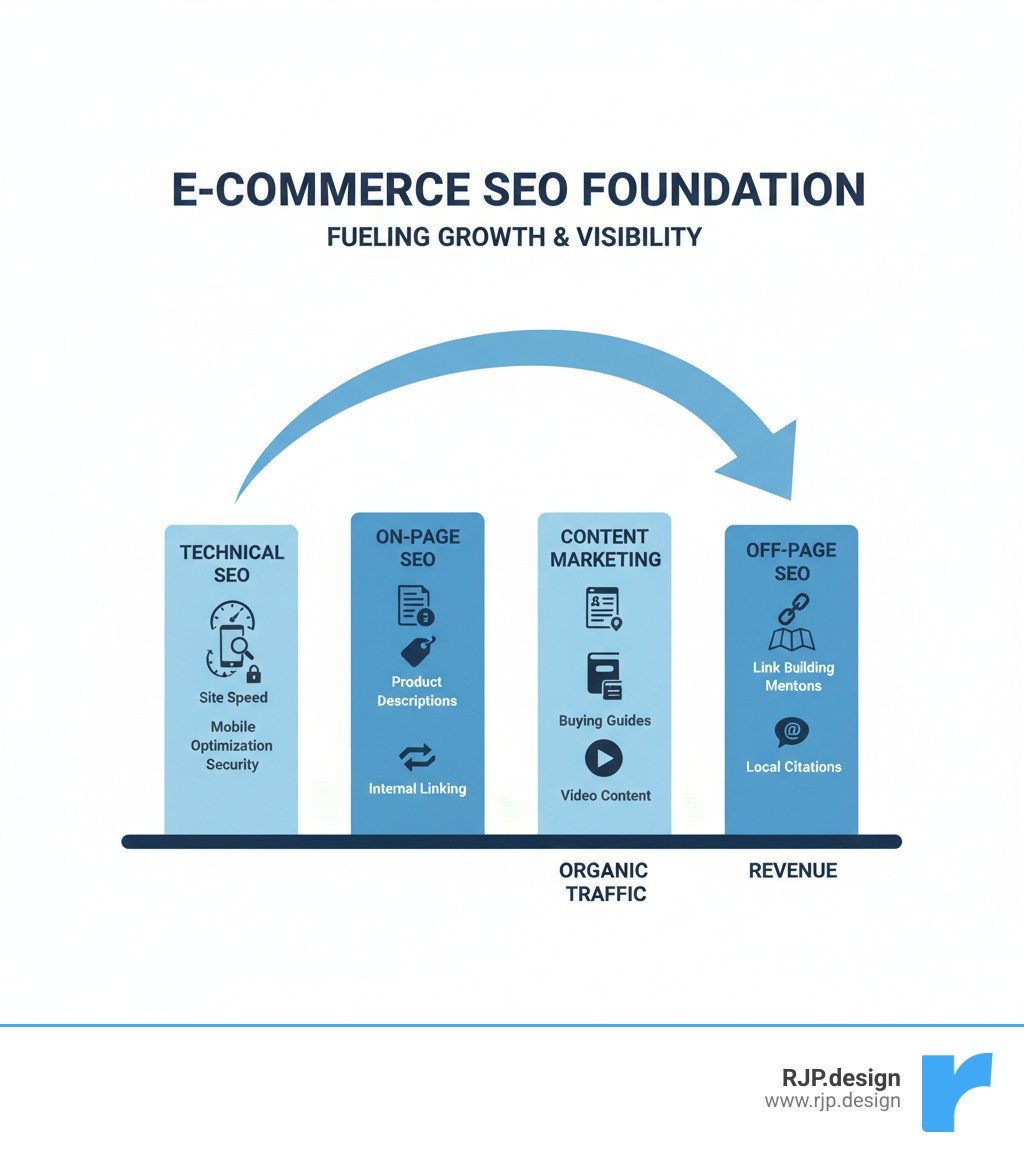
SEO for online stores is the process of optimizing your e-commerce website to rank higher in search results when customers search for your products. Key components include:
Technical SEO: Site speed, mobile-friendliness, and indexing.
On-Page SEO: Product descriptions, meta tags, and URLs.
Content Marketing: Blog posts, buying guides, and comparisons.
Link Building: Earning backlinks from authoritative sites.
Local SEO: Optimizing for local searches if you have physical stores.
The opportunity is massive, with e-commerce sales projected to hit $8 trillion by 2027. However, competition is fierce. Search drives about 68% of all trackable website traffic, making it a vital channel for sustainable growth. Unlike paid ads, SEO provides lasting value by connecting you with customers actively seeking solutions.
Since up to 99% of searchers stick to page one of Google and the top result captures 27.6% of all traffic, high rankings are essential for survival.
I’m Ross Plumer, and I’ve helped businesses generate over $20 million in revenue by making SEO for online stores a core part of their strategy. The most successful e-commerce businesses build their digital presence on a strong SEO foundation, not as an afterthought.
Related content about SEO for online stores:
Foundational Strategies: Keywords and Site Architecture

Just as a house needs a solid foundation and blueprint, your online store needs strong SEO for online stores fundamentals. This starts with understanding what customers search for and creating a site structure that makes sense to both users and search engines.
Essential Keyword Research for SEO for Online Stores
Keyword research uncovers the language your customers use when they’re ready to buy. The key is understanding buyer intent. An informational search like “what is organic skincare” is different from a commercial search like “buy organic face cream for sensitive skin.” For e-commerce, we focus on commercial keywords that indicate a readiness to purchase.
Long-tail keywords are a powerful tool. Instead of competing for a broad term like “shoes,” you can target a specific phrase like “waterproof hiking boots for women size 8.” These searches have lower volume but much higher conversion rates. The majority of all Google searches are long-tail, making them a crucial part of any strategy.
To find these keywords, we use several methods:
Competitor analysis: Use tools to see which keywords drive traffic to your competitors, giving you a roadmap for what works in your industry.
Google’s search suggestions: Autocomplete suggestions in Google and Amazon’s search bars reveal what real people are searching for.
Question-based research: Answering questions like “how to choose running shoes for flat feet” allows you to create content that meets a specific user need and builds trust.
The goal is to attract the right traffic: people actively looking for what you sell. For a deeper dive, check out our Comprehensive SEO Services.
Designing a User-Friendly Site Architecture
Your site’s architecture should guide customers to products easily, just like a well-organized physical store. A flat site structure is ideal, ensuring your most important products are accessible within three clicks of the homepage. This improves user experience and helps search engines crawl your site efficiently.
Organize products into logical categories that reflect how customers think, such as “Home > Men’s Clothing > Casual Shirts > Flannel Shirts.” This is far more intuitive than generic category names.
Breadcrumb navigation (e.g., “Home / Women’s / Dresses / Summer Dresses”) helps users understand where they are on your site and provides a clear structural map for search engines.
Your URL structure should be clean and descriptive. A URL like yourstore.com/summer-dresses-floral-print is better for both users and SEO than yourstore.com/product?id=789. Google has specific recommendations for URL structure that emphasize simplicity and meaning.
Finally, an effective internal linking strategy guides customers from informational content (like a blog post) to relevant product pages, facilitating the path to purchase and helping search engines understand page hierarchy.
Optimizing Your Digital Shelves: Product and Category Pages
Your product and category pages are your 24/7 salespeople. Optimizing them is where SEO for online stores directly impacts your bottom line. These pages must appeal to both search engines and human shoppers by providing detailed information and a trustworthy experience.
Crafting High-Converting Product Pages
Product pages are where browsers become buyers. Every element must be optimized for conversion.
Unique Product Descriptions: Avoid using generic manufacturer descriptions. Write compelling copy that focuses on benefits over features and answers customer questions. The Biossance product page is a great example, explaining what ingredients do for the skin.
High-Quality Images: Visuals are non-negotiable. Compress your images for fast loading times and use descriptive alt text (e.g., “red-silk-evening-dress-front-view”) to help search engines understand the image content and improve accessibility.
Meta Titles and Descriptions: These act as your ad in search results. Keep titles under 60 characters and descriptions under 160. Make them compelling and include your primary keyword.
Header Tags: Use an H1 for the product name and H2/H3 tags to structure information like “Key Features” or “How to Use.” This improves scannability for users and helps search engines identify important content.
Leveraging Social Proof and FAQs
People trust other customers more than they trust businesses. This makes social proof a powerful conversion tool.
Customer reviews and ratings are essential. According to a BrightLocal survey, 98% of consumers read online reviews for local businesses. Reviews provide fresh, unique content that search engines value and build trust with shoppers. Encourage customers to leave detailed reviews and display ratings prominently.
Frequently Asked Questions (FAQs) are an underused asset. By answering common questions (“What size should I order?”, “How do I care for this?”) directly on your product pages, you can capture search traffic from question-based queries. This not only improves your ranking but also reduces customer support inquiries and builds confidence, leading to more sales.
For more strategies on turning visitors into customers, explore our Website Conversion Strategies. The best product pages don’t just inform—they persuade and reassure.
Technical SEO & User Experience for Online Stores
Technical SEO is the foundation of your online store. Even the best product pages will underperform if the site’s technical backbone is weak. A smooth, fast, and secure experience is a direct ranking factor and crucial for any SEO for online stores strategy.
The Need for Speed and Mobile Optimization
Page speed is critical, as 53% of people will abandon a page that takes longer than three seconds to load. To ensure your site is fast:
Image Compression: Large product images are often the main cause of slow load times. Compress images without sacrificing quality and use modern formats like WebP.
Content Delivery Network (CDN): A CDN stores copies of your site on servers worldwide, delivering content from the location closest to the user for faster loading.
With most shopping now happening on smartphones, mobile optimization is paramount. Google uses mobile-first indexing, meaning it primarily ranks your site based on its mobile version. A responsive design that adapts to any screen size is essential for a seamless user experience. We focus on Google’s Core Web Vitals—metrics that measure real-world user experience—using tools like Google’s PageSpeed Insights to identify and fix issues.
Implementing Schema Markup and Essential Tech SEO
Schema markup gives search engines structured data about your products, enabling rich snippets in search results. These improved listings, which can show prices, availability, and star ratings, make your products stand out.
Product schema can display price and stock status.
Review schema shows star ratings that attract clicks.
FAQ schema can answer questions directly in the search results.
In fact, websites that use structured data see a 35% boost in organic traffic compared to those that don’t.
Other essential technical elements include:
SSL/HTTPS: An SSL certificate encrypts data and displays the secure padlock, which is a ranking factor and crucial for building customer trust during checkout.
XML Sitemaps: This file acts as a roadmap for search engines, helping them find and index all your important pages.
Canonical Tags: To avoid duplicate content issues (e.g., when a product exists in multiple categories), canonical tags tell Google which URL is the master version to rank.
301 Redirects: These permanently redirect old or deleted URLs to relevant, live pages, preserving link equity and preventing user frustration.
These elements create what we call Best E-commerce Sites UX—stores that are technically flawless and built for success.
Driving Traffic and Authority: Content and Link Building
Content marketing and link building act as your store’s marketing engine, driving traffic and establishing your brand as an authority. While your product pages target customers ready to buy, a strong content strategy attracts them earlier in their journey.
Effective Content Creation for SEO for Online Stores
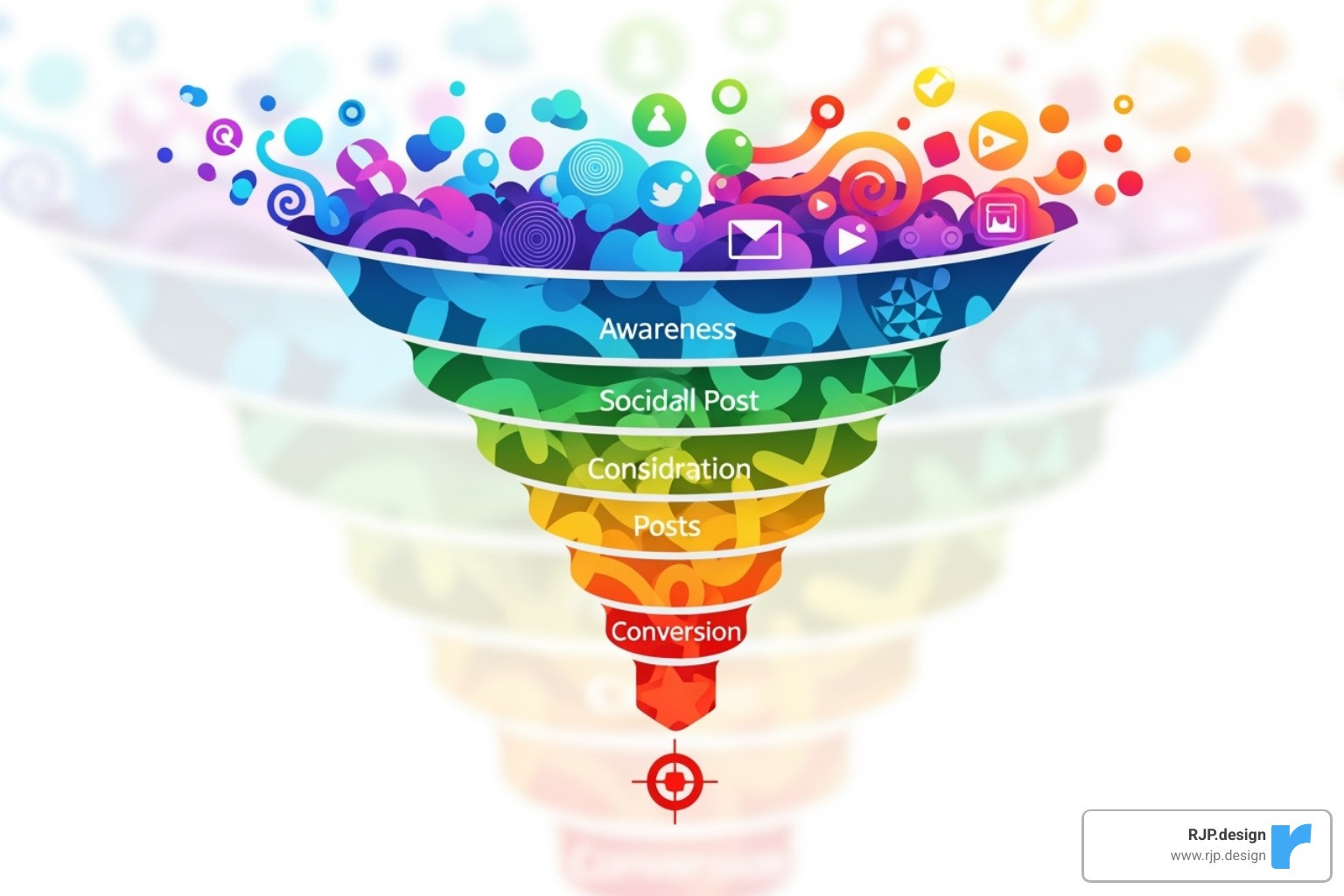
Effective SEO for online stores involves becoming a go-to resource for your customers. This builds trust and captures traffic at all stages of the buying funnel.
Blog Posts and Buying Guides: Content like “The Complete Guide to Coffee Makers” captures users searching for information before they are ready to purchase. When they are ready, your brand is top-of-mind.
How-To Articles: Practical articles that solve a customer’s problem, such as “How to Waterproof Your Hiking Boots,” demonstrate expertise and naturally feature your products.
Product Comparisons: Honest, detailed comparisons between different models help customers make informed decisions and keep them on your site.
Video Marketing: Product demos, unboxing videos, and lifestyle content are highly engaging. According to Brightcove, 76 percent of consumers have bought something after watching a video, making it a powerful tool for boosting sales.
Creating valuable freebies like sizing calculators or maintenance checklists can also attract natural links and establish authority. Explore our Website Marketing Solutions to see how a custom content strategy can drive growth.
Building Quality Backlinks to Your E-commerce Site
Backlinks are endorsements from other websites that signal trust and authority to search engines. For e-commerce, quality backlinks are crucial for achieving top rankings.
Guest Blogging: Write helpful articles for relevant industry blogs to earn a backlink and introduce your brand to a new audience.
Resource Page Link Building: Find industry sites with resource lists and suggest your store or a valuable piece of content for inclusion.
Broken Link Building: Find broken links on relevant websites, notify the site owner, and suggest your own content as a replacement.
Unlinked Brand Mentions: Use tools to find mentions of your brand that don’t link back to your site, then reach out with a friendly request to add a link.
Influencer Collaborations: Partner with influencers who genuinely love your products for authentic recommendations and natural backlinks.
Focus on quality over quantity. One link from a site with high domain authority is more valuable than dozens from low-quality sites.
Local SEO and Measuring Your Success
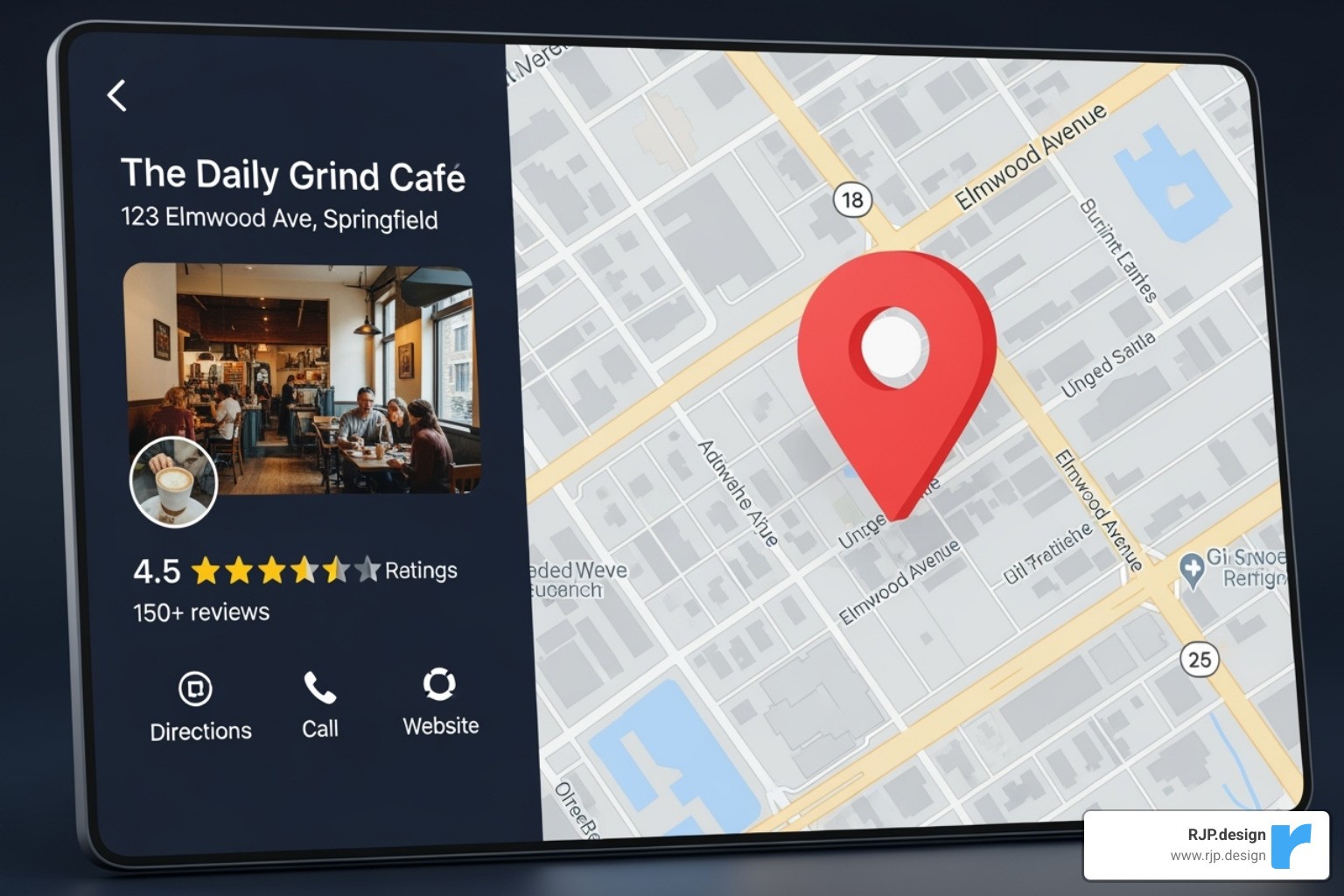
For online stores with a physical presence, local SEO connects your digital efforts with real-world foot traffic. Meanwhile, robust analytics ensure your strategy is delivering a positive return on investment.
Local SEO for Retailers with Physical Stores
Searches like “boutique clothing near me” have high purchase intent, making local SEO vital. With 87% of consumers using Google to research local businesses, your online presence must bridge the digital and physical worlds.
Google Business Profile (GBP): This is your most powerful local SEO tool. A complete profile makes customers 50% more likely to purchase. We optimize your name, address, phone number, hours, and categories, and add high-quality photos.
Local Citations: Consistent listings in directories like Yelp and Yellow Pages build trust with search engines and signal legitimacy.
Location-Specific Keywords: We target keywords that include your city or “near me” to capture shoppers actively looking for a nearby store.
Local Content: Blog posts about local events or neighborhood guides position you as a community authority and attract links from other local organizations.
Online Reviews: Since 98% of consumers read online reviews for local businesses, managing your reputation on Google and Yelp is critical. We encourage positive reviews and respond professionally to all feedback.
Our Local SEO Services can help you dominate local search results.
Tracking SEO Performance and ROI
SEO for online stores is highly measurable, providing clear insights into what drives results. We track the metrics that matter most to your bottom line:
Organic Search Traffic: The number of visitors finding you via search.
Keyword Rankings: Your position in search results for target terms.
Conversions: The number of visitors who make a purchase or complete a goal.
Revenue from Organic Search: The ultimate measure of SEO success.
We use Google Analytics to understand user behavior and Google Search Console to monitor your site’s health in search results. This data allows us to calculate your SEO ROI by comparing the cost of our efforts against the revenue generated.
We also proactively avoid common pitfalls that can harm rankings, such as duplicate content, poor site architecture, slow page speeds, and black-hat tactics like keyword stuffing or buying links. Continuous monitoring and refinement ensure your online store achieves sustainable, long-term growth.
Frequently Asked Questions about E-commerce SEO
Here are answers to some of the most common questions we receive about growing an online store with SEO.
How is e-commerce SEO different from traditional SEO?
While the principles are similar, SEO for online stores has a different focus. Traditional SEO often centers on informational content, whereas e-commerce SEO prioritizes product and category pages. The primary differences are:
Keyword Intent: The focus is on transactional keywords (e.g., “buy running shoes”) that indicate a user is ready to make a purchase.
Scale: E-commerce sites can have thousands of pages, making site architecture, internal linking, and automation critical.
Structured Data: Schema markup for products, reviews, and pricing is essential for creating eye-catching rich snippets in search results.
Duplicate Content: Managing duplicate content from product variations and filtered navigation requires careful use of canonical tags.
How long does it take to see results from e-commerce SEO?
SEO is a long-term strategy that builds compounding value. While there’s no exact timeline, you can generally expect:
3-6 Months: Initial progress, such as improved rankings for some keywords and a modest increase in organic traffic.
6-12 Months: More significant results, including higher rankings for competitive terms, meaningful traffic growth, and a measurable increase in revenue from organic search.
Factors like your industry’s competitiveness, your budget, and the age of your website will influence the speed of results. Consistency and a high-quality strategy are key.
What are the most common SEO mistakes e-commerce businesses make?
Many online stores make preventable SEO mistakes. The most common include:
Duplicate Content: Using manufacturer-provided product descriptions or having multiple URLs for the same page dilutes ranking potential.
Poor Site Architecture: A confusing or deep site structure makes it difficult for users and search engines to find products.
Unoptimized Images: Large, slow-loading images without descriptive alt text hurt user experience and miss out on image search traffic.
Ignoring the Mobile Experience: A poor mobile site alienates the majority of online shoppers and negatively impacts rankings due to mobile-first indexing.
Neglecting Keyword Research: Optimizing product pages for terms that customers don’t actually use is a wasted effort.
Slow Page Speed: Pages that take more than a few seconds to load have high abandonment rates, leading to lost sales.
Avoiding these pitfalls is crucial for success. Many store owners partner with an experienced team to manage these technical details while they focus on running their business.
Conclusion: Build Your E-commerce Empire
This roadmap for SEO for online stores shows how technical optimization, quality content, and a great user experience work together to build a successful e-commerce presence. SEO is not about quick fixes; it’s about building a sustainable asset for your business.
Every optimization is an investment in your store’s future. A well-written product description can attract customers for years, while site speed improvements improve every visitor’s experience. The most successful online stores take a holistic approach, understanding that high rankings are meaningless if visitors don’t trust your site enough to make a purchase.
The e-commerce landscape is always evolving, but the fundamentals of understanding your customers and building trust remain constant.
At RJP.design, we specialize in creating optimized online stores that get found by the right customers. We understand that behind every search query is a person with a need.
Ready to take your online store to the next level? For a strategy customized to your business goals, explore our Digital Marketing and SEO Services. Let’s build your e-commerce empire together.