
Web
Retail Website Designs That Stand Out in 2024
Sep 20, 2024

Why Retail Website Designs Matter in 2024
The best retail website designs can make or break your online business, especially in 2024 where competition is fierce and customers are more discerning than ever. First impressions are critical; research shows that it takes a mere 50 milliseconds for users to decide whether to stay on your site or leave.
For those in a hurry, here are the key takeaways:
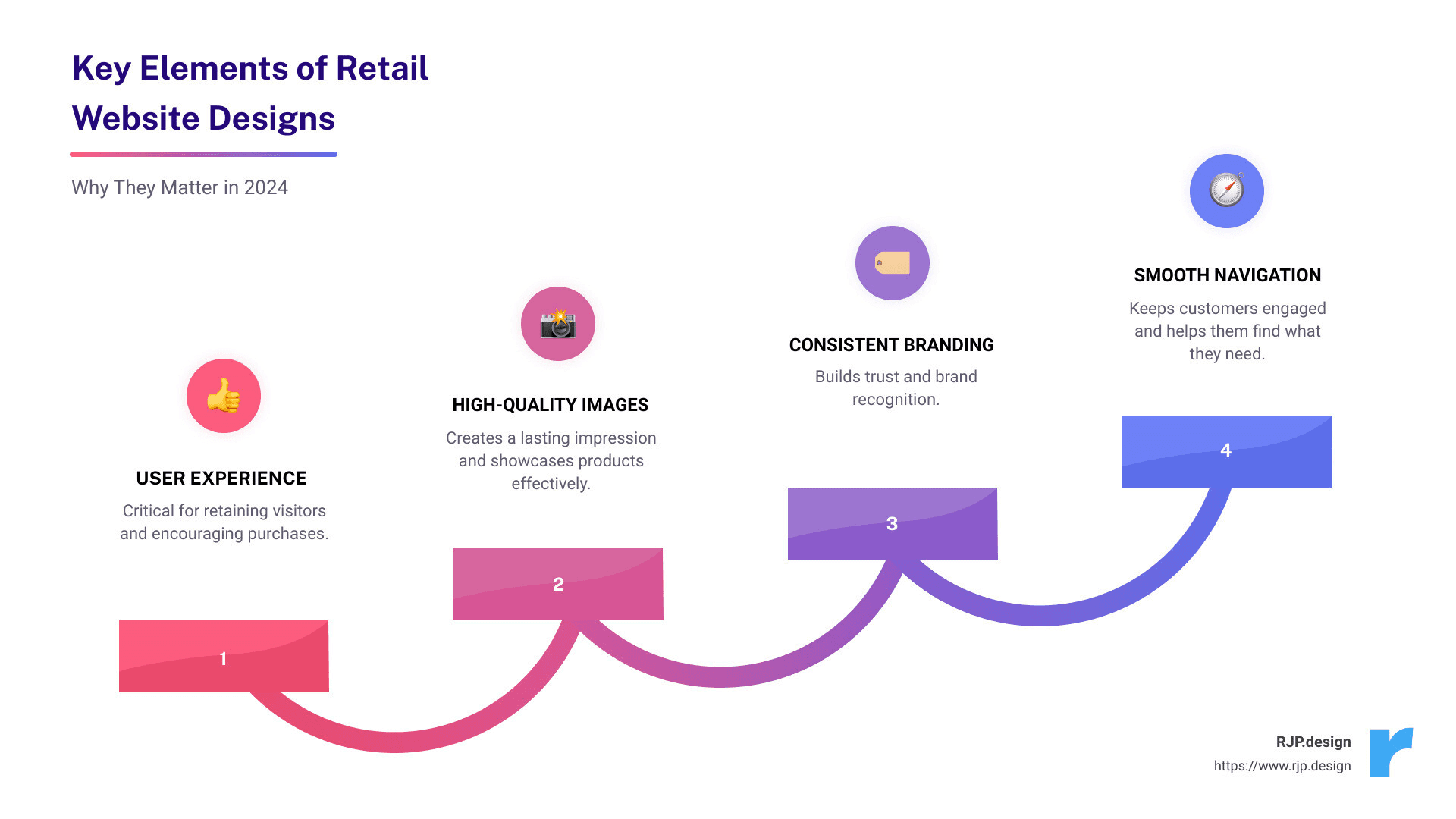
User experience is paramount
High-quality images create a lasting impression
Consistent branding builds trust
Smooth navigation keeps customers engaged
The goal of any exceptional retail website design is to provide an engaging, trustworthy, and user-friendly experience from the moment a customer arrives to the moment they check out.
I’m Ross Plumer, a digital marketing and website design expert, with over 30 years in the field. My hands-on experience with companies generating over $20 million in revenue equips me to guide you in creating the best retail website designs for your business.
Let’s explore the elements that set outstanding retail websites apart and how you can implement these strategies for your own business.
Similar topics to best retail website designs:
– amazing ecommerce website designs
– best shopify store designs
Key Elements of Great Retail Website Designs
Building Trust with Customers
Trust is the cornerstone of any successful retail website. When customers first land on your site, they need to feel confident that their information is secure and that they can trust your brand. Here are some key elements to consider:
Contact Information
Make it easy for customers to reach you. Include an email address, and if possible, a phone number and mailing address. This simple step can make your business feel more legitimate and trustworthy. An “About Us” page can also help by sharing your brand story and values.
Return Policy
A clear and customer-friendly return policy can significantly reduce shopping cart abandonment. It reassures customers that they can return products without hassle. For example, Supergoop prominently displays its free return policy on every product page, boosting customer confidence.
Technical Certifications
Use badges and certifications to show that your website is secure. For instance, integrating Shopify Payments gives you access to advanced security features. Displaying these certifications can make customers feel safer when entering their payment information.
Customer Reviews
Customer reviews and testimonials are powerful trust signals. Many ecommerce platforms offer integrations that allow you to showcase customer photos, Instagram feeds, and reviews directly on your site. This social proof can make new visitors more comfortable making a purchase.
Creating a Visually Compelling Experience
First impressions are formed in milliseconds, so your website needs to look good fast. High-quality images, consistent branding, and a well-thought-out visual hierarchy are crucial.
High-Quality Images
Product photography acts as an ambassador for your brand. Use high-resolution images shot from multiple angles and include lifestyle photos that show your products in use. These images not only showcase your products but also reinforce your brand’s aesthetic.
Consistent Branding
Consistency in design elements like color schemes, fonts, and imagery helps build brand recognition. For instance, Satya Organic uses earthy tones and clear certifications on its homepage to immediately convey its commitment to organic and cruelty-free products.
Psychological Design and Visual Hierarchy
Use psychological design principles to guide your customers’ eyes to important elements. For example, color can draw attention to specific sections, while a clear visual hierarchy can make navigation easier. Outdoor Voices excels at this with lifestyle images that communicate its brand aesthetic and a clean, limited-font design.
Focusing on Responsive Design for Mobile and Desktop
With the average American spending over four hours a day on their mobile phone, your website must be mobile-friendly. A responsive design ensures your site looks great and functions well on all devices, from desktops to smartphones.
Mobile Optimization
Test your website on different devices to ensure a smooth transactional flow. If the mobile experience is frustrating, customers are likely to leave. Shopify stores come with built-in responsive designs, making this easier to achieve.
User-Friendly Design
A user-friendly design means easy navigation, quick load times, and an intuitive layout. Customers should be able to find what they’re looking for without hassle.
Designing Clear Navigation
Good navigation is crucial for helping customers find products quickly and improving your site’s SEO.
Menu Headers
Keep your top-level navigation simple and direct. Use clear, straightforward labels like “Shop,” “About Us,” “Bestsellers,” and “Contact Us.” Avoid clever or ambiguous terms that might confuse visitors.
Footer Links
Use the footer for additional navigation links like your return policy, terms of service, and contact information. This keeps your main menu clean while still providing easy access to important information.
By focusing on these key elements—building trust, creating a visually compelling experience, optimizing for mobile, and designing clear navigation—you can create a retail website that stands out in 2024.
Next, we’ll look at some of the best retail website designs of 2024 and what makes them exceptional.
Best Retail Website Designs of 2024
MARMOT
MARMOT’s e-commerce website is a masterclass in capturing the essence of trip. The high-quality photos on the homepage make you feel like you’re already out in the wilderness. This site excels in seamless navigation, making it easy for visitors to find what they need. The product pages are well-organized, ensuring an enjoyable shopping experience.
AWAY
AWAY’s website is simplicity at its best. This user-friendly site beautifully showcases its luggage and bags with high-quality product images. The straightforward checkout process makes purchasing a breeze. The site’s design is clean, focusing on the products without unnecessary distractions, which is key for a smooth user experience.
SALTY K
SALTY K leverages social media to engage customers, particularly through Instagram. The provocative photos on the homepage draw viewers in, while clear policies on shipping and returns are prominently displayed, making purchasing decisions easier. This site is a great example of how to integrate social media engagement into e-commerce design effectively.
BOSE
BOSE’s website is designed to cater to both B2B and B2C markets. The user-friendly categories make it easy to steer, whether you’re buying for personal use or for a business. High-quality images and detailed product descriptions further improve the shopping experience. The site’s structure ensures that it remains accessible and appealing to a broad audience without sacrificing its high-end brand image.
TARGET
TARGET’s website is a model of functionality. The functional layout is designed to help customers find what they need quickly. Organized product titles and detailed descriptions make it easy to browse and compare products. The site’s design ensures a smooth shopping experience, from product findy to checkout.

In the next section, we’ll discuss best practices for retail website design to help you create a site that stands out.
Best Practices for Retail Website Design
Keep It Simple
Simplicity is key for best retail website designs. The more distractions you have, the harder it is for customers to focus on making a purchase. A streamlined design helps keep the shopping experience smooth and enjoyable. Use ecommerce templates that offer a clean layout to guide your design.
Minimal distractions like banner ads and pop-ups can detract from the user experience. Instead, focus on clear navigation and essential product information. This keeps your site looking professional and makes it easier for customers to find what they need.
Express Your Brand
Your website should clearly express your brand identity. This means showcasing what makes you unique and different from competitors. Use your brand colors, fonts, and logos consistently throughout your site.
Unique selling points should be highlighted to show why customers should choose you. For example, if you offer eco-friendly products, make that a prominent feature on your homepage. Clear branding helps build trust and makes your site memorable.
Use High-Quality Images
High-quality images are crucial for an engaging shopping experience. Invest in professional product photos that show your items from multiple angles. Lifestyle images are also important as they show your products in use, making it easier for customers to visualize owning them.
If budget is a concern, use free stock photos to improve the visual appeal of your site. Images can improve conversion rates by 40%, so make sure they are crisp and clear.
Leverage Social Proof
Social proof is a powerful tool for building trust. Display positive reviews and customer testimonials prominently on your site. User-generated content, like photos from customers using your products, can also be very effective.
Seeing that others have had positive experiences with your products makes new customers more likely to buy. Social media integration can also help, by showing real-time customer interactions.
Focus on Checkout
Even the most beautiful website won’t drive sales if the checkout process is complicated. Make sure your checkout is simple and straightforward. Offer multiple payment options like PayPal, Stripe, and credit cards to make it easy for customers to complete their purchase.
Fast transactions are essential. The fewer steps between adding an item to the cart and completing the purchase, the better. A streamlined checkout process can significantly reduce cart abandonment rates.
Next, we’ll answer some frequently asked questions about creating the best retail website designs.
Frequently Asked Questions about Best Retail Website Designs
What is the best website to make a shop?
When it comes to creating an online shop, several platforms stand out for their ease of use, features, and reliability. RJP.design offers a comprehensive solution with a user-friendly interface and extensive customization options. It’s ideal for those who prioritize design and aesthetics, providing robust features at competitive prices. RJP.design is also versatile, making it great for small to medium-sized businesses.
Which website is best for an online store?
For a comprehensive online store, RJP.design is a top contender. It offers a complete solution with hosting, security, and a myriad of plugins to extend functionality. RJP.design is perfect for those who want more control over their store’s customization and scalability, catering to both small and larger stores.
How to build a retail website?
Building a retail website involves several key steps:
Choose an eCommerce Platform: Select RJP.design for a platform that suits your business needs.
Design Your Site: Use templates or custom designs to create an appealing layout that reflects your brand.
Create Product Pages: Add high-quality images, detailed descriptions, and prices for each product.
Set Up Payments: Integrate payment gateways like PayPal, Stripe, or Square to facilitate transactions.
Configure Shipping: Set up shipping options, rates, and methods to ensure customers receive their products.
Buy a Domain: Purchase a custom domain name that represents your brand.
Launch Your Site: Publish your website and make it live for customers.
Marketing: Implement marketing strategies such as SEO, email campaigns, and social media to attract visitors.
By following these steps, you can create a retail website that not only looks great but also functions seamlessly, providing a smooth shopping experience for your customers.
Next, we’ll explore the best retail website designs of 2024, featuring standout examples like MARMOT and AWAY.
Conclusion
In today’s digital landscape, the importance of design in retail websites cannot be overstated. A well-designed website not only attracts visitors but also ensures they have a positive user experience (UX), ultimately driving sales and customer satisfaction.
User experience is at the heart of successful retail websites. From the moment a visitor lands on your site, they should find it easy to steer, visually appealing, and trustworthy. High-quality images, clear navigation, and intuitive layouts are essential elements that contribute to a seamless user experience.
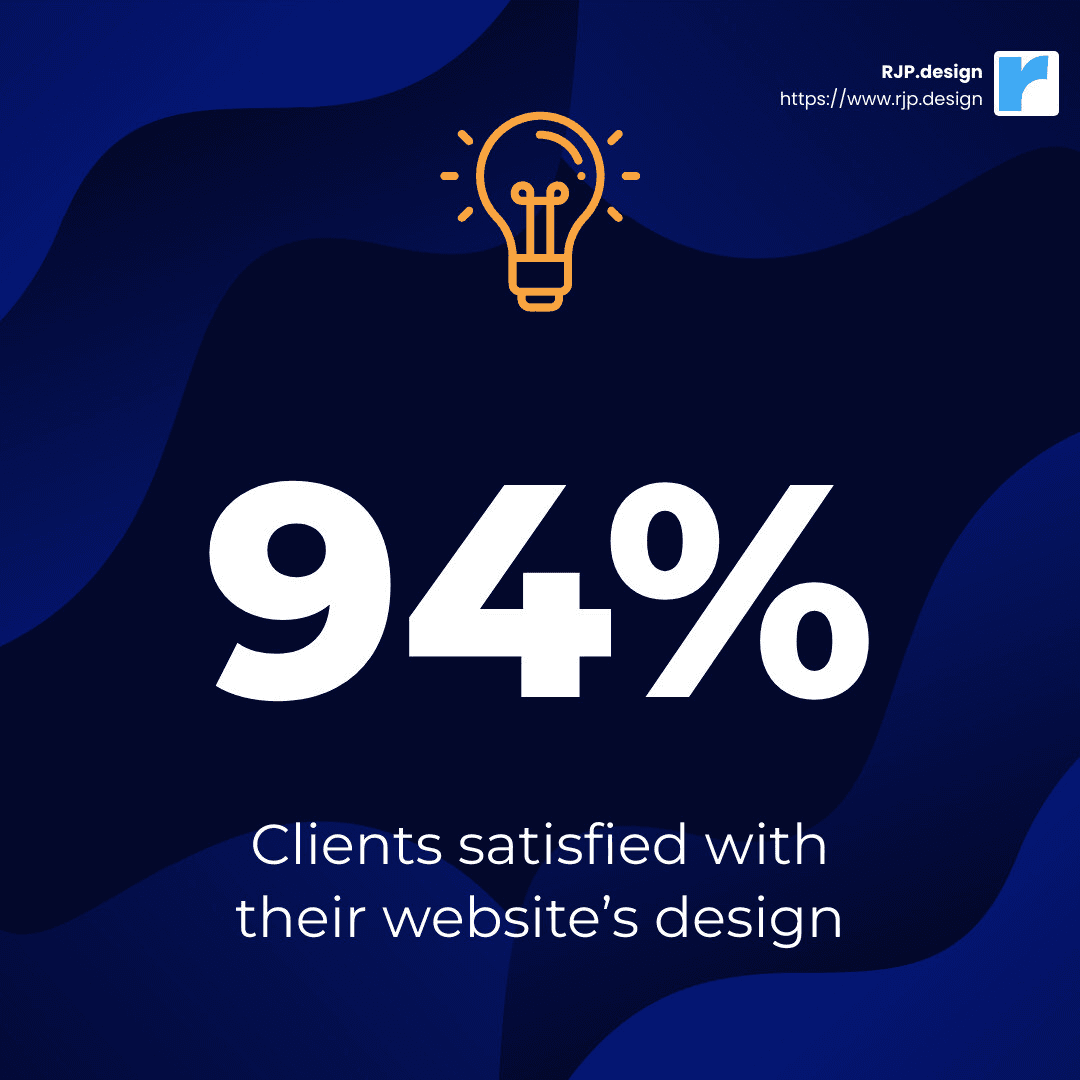
At RJP.design, we specialize in creating retail websites that stand out. Our team prioritizes client satisfaction, ensuring that each website not only looks great but also functions flawlessly. We understand the unique challenges of the ecommerce landscape and are committed to delivering top-notch web design and development services that meet your business needs.
Our approach to web design focuses on understanding your brand and your customers. By incorporating elements like high-quality product images, consistent branding, and easy-to-use navigation, we create websites that not only attract visitors but also convert them into loyal customers.
In conclusion, a well-designed retail website is crucial for success in the competitive online market. It improves user experience, builds trust, and drives sales. If you’re looking to create or redesign your retail website, RJP.design is here to help. Our expert team is ready to deliver a website that meets your needs and exceeds your expectations.
Ready to take your retail website to the next level? Contact us today and let’s create something amazing together.