Partner
Finding the Best E-commerce Portal Developer for Your Business
Sep 21, 2024

Why E-commerce Portal Development is Essential for Your Business
If you're searching for an e commerce portal developer, you might wonder if it's worth it. Here's why an e-commerce portal could be a game-changer for your business:
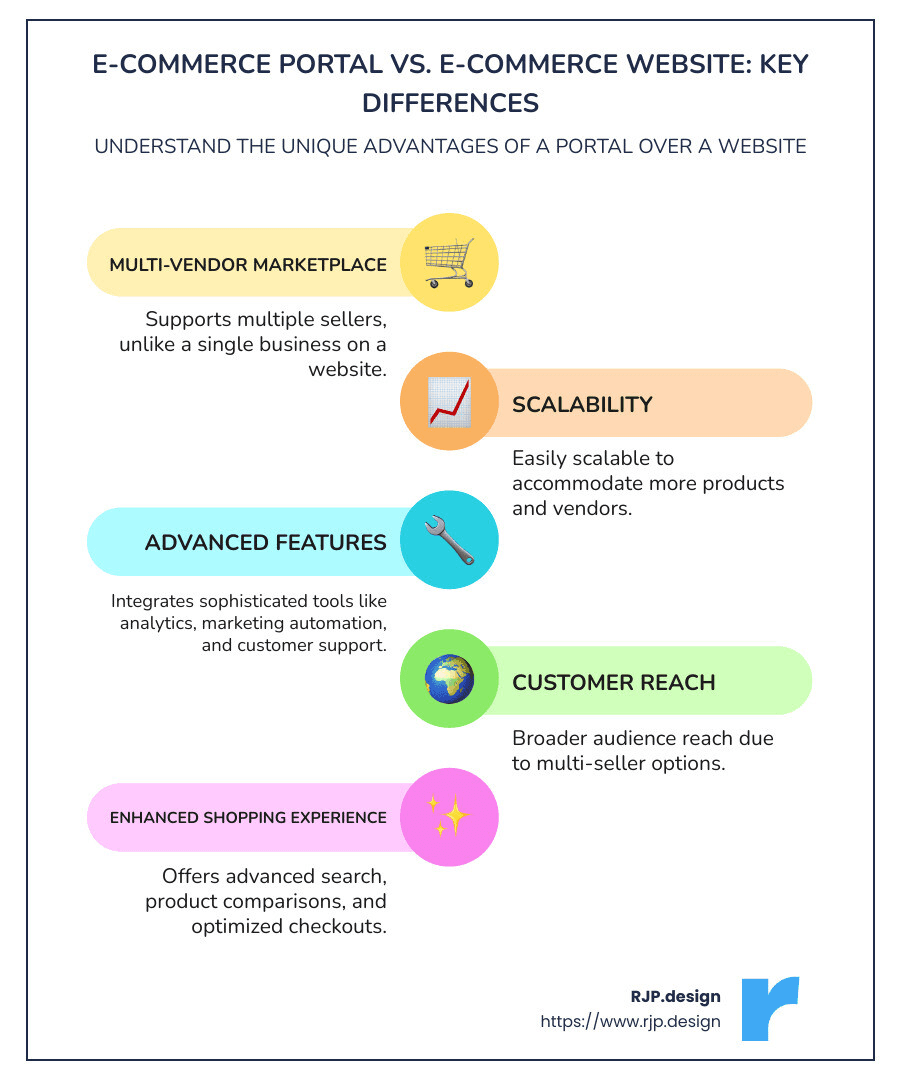
Boost Business Growth: E-commerce portals connect multiple sellers with a vast audience, offering more choices to customers.
Improved Customer Experience: Features like easy product comparison, advanced search, and optimized checkout process ensure satisfied and returning customers.
Higher Revenue: With lower cart abandonment rates and better client retention, your sales can skyrocket.
E-commerce portal development is crucial for the modern business landscape. By creating a robust platform, you open doors to broader customer reach, streamlined operations, and increased revenue. Unlike a simple e-commerce website, a portal can support multiple vendors and integrate advanced analytics, offering a comprehensive shopping experience.
For instance, think of Amazon. It didn't just create a website; it built a thriving e-commerce portal connecting millions of buyers and sellers, revolutionizing how we shop online.
I'm Ross Plumer, a seasoned entrepreneur and expert in digital marketing and e-commerce development. With experience in helping businesses that generate over $20 million in revenue, I've seen how an e-commerce portal developer can dramatically transform your online presence.
Let's explore the incredible benefits and essential steps to finding the best e-commerce portal developer for your business.
What is an E-commerce Portal Developer?
An e-commerce portal developer is a specialized professional who builds comprehensive online platforms where multiple vendors can sell their products. These portals are much more complex than typical e-commerce websites and require a deeper understanding of various technical aspects. Let's break down the key areas:
Technical Aspects
E-commerce portal developers are experts in both front-end and back-end development. They convert approved designs into functional interfaces using HTML, CSS, and JavaScript. They also build the backend infrastructure using robust server-side languages and frameworks to handle data processing, user authentication, and order management.
Performance
Performance is crucial for e-commerce portals. Developers ensure that the website loads quickly and handles high traffic efficiently. According to a Google study, the probability of users leaving a site increases dramatically with every second added to the page load time. Fast-loading sites not only improve user experience but also boost SEO rankings.
Scalability
Scalability is another vital factor. As your business grows, your portal must handle increased traffic and transactions. Developers design the architecture to be scalable, ensuring that the portal can grow with your business without compromising performance.
Security
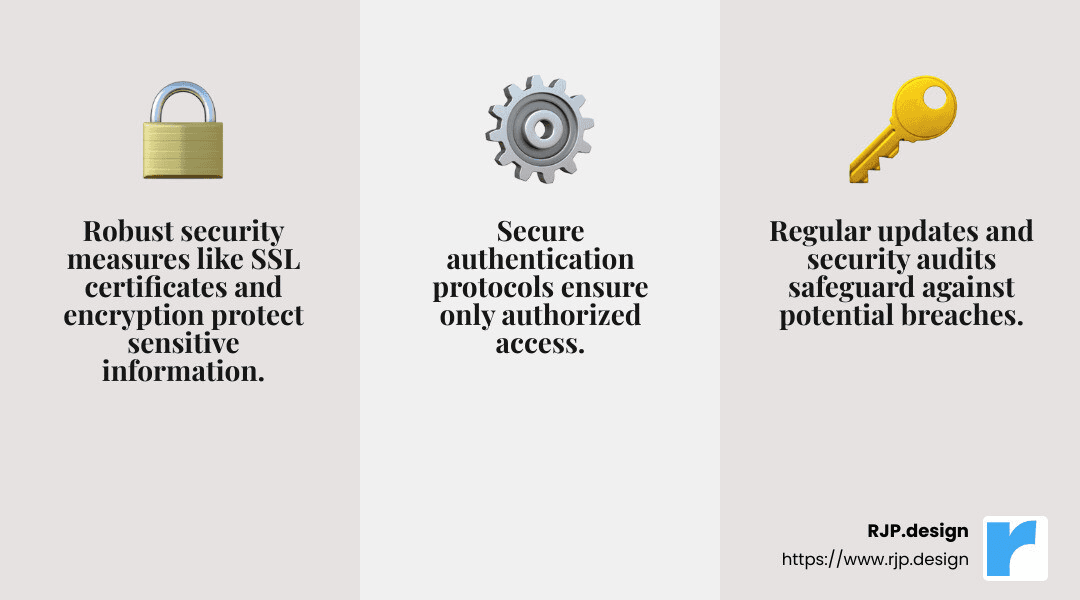
Security is paramount in e-commerce. Developers implement robust security measures like SSL certificates, encryption, and secure authentication protocols to protect sensitive information. Regular updates and security audits are performed to safeguard against potential breaches.
Business Needs
An e-commerce portal developer aligns the technical aspects with your business needs. They integrate essential features like product catalog management, shopping carts, secure payment gateways, and order processing systems. They also ensure the portal supports multiple payment methods and complies with regional regulations.
For example, a well-structured database is crucial for storing product information, customer data, and orders. Developers create databases that are efficient and easy to manage, ensuring smooth operations.
By focusing on these areas, an e-commerce portal developer helps create a platform that is not only functional but also secure, scalable, and custom to your business needs.
Next, we'll explore the benefits of hiring an e-commerce portal developer and how they can transform your business.
Benefits of Hiring an E-commerce Portal Developer
Hiring an e-commerce portal developer can bring numerous advantages to your business. Let’s dig into some of the key benefits:
Increased Revenue
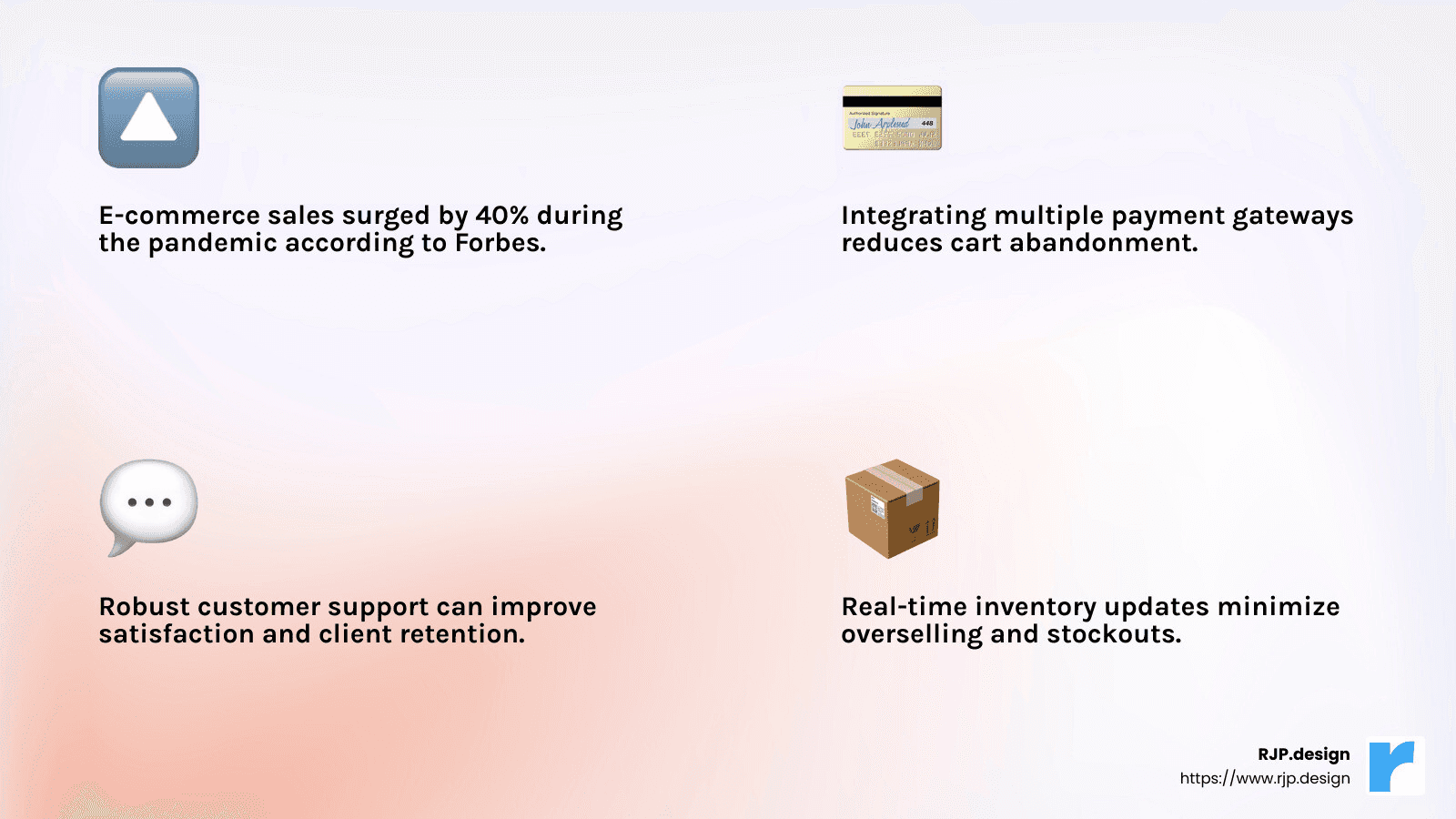
A well-designed e-commerce portal can significantly boost your revenue. How? By providing a seamless shopping experience that encourages customers to make purchases. Features like personalized recommendations, easy navigation, and a smooth checkout process can lead to higher conversion rates. According to Forbes, e-commerce sales surged by as much as 40% during the pandemic, highlighting the potential for growth in this space.
Lower Cart Abandonment
Cart abandonment is a common issue in e-commerce. A specialized developer can implement features that reduce this problem. For instance, integrating multiple payment gateways like PayPal and Stripe can make the checkout process more convenient, reducing friction for the customer. Additionally, features like automated email reminders for abandoned carts can help recover lost sales.
Client Retention
Retaining customers is often more cost-effective than acquiring new ones. An e-commerce portal developer can help you build features that improve customer loyalty. For example, integrating a robust customer support system—complete with live chat, email, and phone support—can improve the overall customer experience. According to the research, e-commerce portals that offer multiple support channels can address customer inquiries promptly, leading to higher satisfaction and repeat business.
Operational Efficiency
Efficiency in operations is crucial for any business. An e-commerce portal developer can streamline various backend processes, such as inventory management and order processing. By integrating the portal with your existing inventory management system, you can ensure real-time updates on product availability. This minimizes the risk of overselling and stockouts, improving operational efficiency.
For example, when a customer places an order, the inventory levels are automatically updated, enabling better control over stock. This not only saves time but also reduces the likelihood of human error.
Next, we’ll discuss the essential features of e-commerce portals that can further improve your business operations.
Key Features of E-commerce Portals
To maximize the benefits of your e-commerce portal, incorporate key features that improve both the user experience and your business operations. Here are some of the critical features you should look for:
Inventory Management
Inventory management tools are crucial for keeping track of stock levels, orders, and deliveries. These systems allow customers to place orders with a single click, check invoices, and initiate returns. For business owners, they offer the ability to manage loyalty programs, customer information, and transactions, optimizing the entire order processing cycle.
User Accounts
Personalized user accounts enable customers to manage their information, track orders, view order history, and save payment preferences for future purchases. This feature is essential for enhancing customer satisfaction and loyalty.
Shopping Cart
An intuitive shopping cart system allows customers to add products, review their selections, and proceed to checkout. A smooth and secure checkout experience is vital for reducing cart abandonment.
Order Tracking
Order tracking features provide real-time updates and status notifications, keeping customers informed about their shipments' progress and delivery times.
Search Functionality
Powerful search functionality and filtering options help customers quickly find the products they are looking for based on various criteria like price range, brand, size, and color.
Chatbots
Chatbots can assist customers in finding information quickly and resolving issues efficiently. They can also guide users to relevant sections of the portal, enhancing the overall customer experience.
Marketing Automation
Marketing automation tools can tailor offers, promotions, and advertisements based on customer information and behavioral trends. This personalized approach can significantly boost sales and customer engagement.
Customer Support
Robust customer support is crucial for building reliability and trust. Providing multiple support channels like phone, chat, and email ensures that customers can easily get help when they need it.
Reporting
In-depth reporting features provide insights into sales performance, customer behavior, popular products, and other key metrics. Businesses can use this data to optimize their strategies and make informed decisions.
Payment Gateway
A secure payment gateway is essential for processing transactions smoothly. Support for multiple payment methods, such as credit/debit cards, digital wallets, and online banking, can make the checkout process more convenient for customers.
Discounts and Promotions
Applying discounts, coupon codes, loyalty programs, and promotional offers can attract more customers and drive sales. These features are essential for staying competitive in the market.
Content Management
A robust content management system allows you to produce and arrange product descriptions, catalogs, and knowledge base materials without needing to code. This makes it easier to keep your portal up-to-date and informative.
Next, we'll walk you through the steps involved in developing an e-commerce portal, from planning and requirement analysis to launch and ongoing maintenance.
Steps to Develop an E-commerce Portal
Creating an e-commerce portal involves several critical steps. Each stage requires careful planning and execution to ensure the final product is functional, user-friendly, and aligned with your business goals. Here's a step-by-step guide:
1. Planning and Requirement Analysis
This is the foundation of your project.
What to do:
- Gather detailed requirements from stakeholders. Understand business goals, desired features, budget constraints, and timeline.
- Research industry trends, customer preferences, and competitors.
- Analyze successful portals in your niche for valuable insights.
2. UI/UX Design
Designing a user-friendly and visually appealing interface is crucial.
Consider these factors:
- Intuitive navigation: Users should easily find what they need.
- Responsive design: Ensure the portal works well on mobile devices.
- Clear calls to action: Guide users to take desired actions.
3. Technology Stack Selection
Choosing the right technology stack is vital.
Key points to consider:
- Understand your requirements: What features and functionalities do you need?
- Scalability: Can the technology grow with your business?
- Team expertise: Does your team have experience with the chosen tech stack?
- Performance and speed: Ensure fast load times and smooth performance.
- Integration capabilities: Can it easily integrate with other systems?
- Flexibility and customization: Can you tailor it to your needs?
- Mobile responsiveness: Is it optimized for mobile use?
4. Portal Development
Now it's time to build the portal.
Things to keep in mind:
- Product range: Will you sell locally or internationally? How many products?
- Shopping experience: What kind of experience do you want to offer? Features like product filters, side-by-side comparisons, and optimized checkout are crucial.
- Platform options: Choose the right e-commerce platform (e.g., Shopify, WooCommerce) based on your needs.
- Add products: Focus on high-quality images and detailed descriptions.
5. Testing and Quality Assurance
Before launch, ensure everything works perfectly.
Checklist:
- Review all calls-to-action and form titles.
- Test your checkout experience.
- Double-check payment processing integrations.
- Ensure high-definition images are optimized for speed.
- Verify all links and forms are functional.
- Check tax settings and inventory listings.
- Test coupons/promo codes.
- Mobile and desktop compatibility: Ensure a consistent experience across devices.
6. Launch and Deployment
Get ready for the public launch.
Steps to follow:
- Set up hosting, domain, and server configurations.
- Test the entire system once more before going live.
7. Support and Maintenance
After launch, continuous support and maintenance are essential.
What to do:
- Ongoing support: Provide bug fixing and regular updates.
- Monitor performance: Optimize loading speed and user experience.
- Gather user feedback: Make improvements based on their needs and preferences.
By following these steps, you can develop a robust and user-friendly e-commerce portal that meets your business needs and provides a seamless shopping experience for your customers.
Next, we'll discuss the common challenges in e-commerce portal development and how to overcome them.
Challenges in E-commerce Portal Development and How to Overcome Them
Developing an e-commerce portal comes with its own set of challenges. Here are some common obstacles and how to tackle them effectively:
Payment Gateway Integration
Challenge: Integrating multiple payment gateways to offer diverse payment options while ensuring security and compliance.
Solution:
- Choose reputable payment gateways: Opt for well-known, trusted providers.
- Work closely with APIs: Ensure smooth integration by following the payment gateway’s API documentation.
- Adhere to regional regulations: Stay compliant with local payment laws and security standards.
User Experience (UX)
Challenge: Providing a seamless and user-friendly shopping experience to improve customer satisfaction and increase conversion rates.
Solution:
- Conduct UX research: Understand your users' needs and preferences.
- Optimize website performance: Ensure fast load times and smooth navigation.
- Responsive design: Make sure your portal works well on all devices.
- Streamline navigation: Users should easily find what they need.
Security
Challenge: Protecting customer data and financial transactions from cyber threats and hacking.
Solution:
- Implement robust security measures: Use firewalls and anti-malware tools.
- SSL certificates: Ensure all data transferred is encrypted.
- Encrypt sensitive data: Protect customer information like passwords and credit card details.
- Regular updates: Keep all software and security protocols up to date to fend off new threats.
Scalability
Challenge: Ensuring the e-commerce portal can handle increased traffic and transactions as the business grows.
Solution:
- Choose a scalable technology stack: Ensure your chosen technologies can grow with your business.
- Load testing: Regularly test your portal to handle high traffic volumes.
- Cloud services: Use cloud infrastructure for flexible scaling options.
Mobile Commerce Optimization
Challenge: Optimizing the portal for mobile users, as mobile commerce continues to grow.
Solution:
- Responsive design: Ensure your portal looks and functions well on mobile devices.
- Mobile-first approach: Design with mobile users in mind from the start.
- Optimize for speed: Mobile users expect quick load times; use tools like Google’s Mobile-Friendly Test to check performance.
- User-friendly navigation: Simplify menus and forms for mobile users.
By addressing these challenges with proactive planning and best practices, you can create a secure, user-friendly, and scalable e-commerce portal that meets customer expectations and drives business growth.
Next, we'll dive into frequently asked questions about e-commerce portal development to help you understand this domain even better.
Frequently Asked Questions about E-commerce Portal Development
What is an e-commerce portal?
An e-commerce portal is an online platform that facilitates transactions between buyers and sellers. Unlike a single-business e-commerce website, an e-commerce portal often supports multiple vendors, allowing them to list and sell their products to a broad audience. This type of platform is ideal for bulk ordering and volume-based pricing, making it a go-to solution for both B2B and B2C markets.
How to become an e-commerce developer?
Becoming an e-commerce developer typically requires a strong educational foundation in fields like computer science, software engineering, or information technology. Here are some steps you can follow:
Educational Background:
Obtain a degree in computer science, software engineering, or a related field.
Take specialized courses in web development, database management, and cybersecurity.
Technical Skills:
Learn programming languages such as HTML, CSS, JavaScript, and server-side languages like PHP or Python.
Familiarize yourself with e-commerce platforms and frameworks like Magento, Shopify, or WooCommerce.
Practical Experience:
Work on projects or internships that give you hands-on experience in developing e-commerce websites or portals.
Contribute to open-source projects or build your own e-commerce site to showcase your skills.
Stay Updated:
Keep up with the latest trends and technologies in e-commerce by following industry blogs, attending webinars, and participating in online forums.
What is the difference between an e-commerce portal and an e-commerce website?
The primary differences between an e-commerce portal and an e-commerce website lie in their scope, business models, and functionalities:
Aspect | E-commerce Portals | E-commerce Websites
---|---|Definition | Multi-vendor marketplace connecting multiple sellers and buyers. | A single business sells products directly to consumers.
Business Model | Earns through commissions or listing fees from multiple vendors. | Revenue comes from individual sales made by the single business.
Scalability | Highly scalable, can easily accommodate more sellers and products. | Limited by the business’s capacity to manage inventory and operations.
Customer Base | Broader, as it attracts customers looking for varied choices from different sellers. | Limited to the customer base of the single business.
Maintenance | Requires extensive management to ensure fair competition and smooth operations. | Focuses on maintaining the website’s performance and user experience.
Competition | High, with varied choices for customers. | Limited competition, as it only offers the business’s own products.
By understanding these distinctions, you can make an informed decision about which type of online platform best suits your business needs.
Next, we'll explore the steps to develop an e-commerce portal, guiding you through planning, design, technology selection, and more.
Conclusion
At RJP.design, we pride ourselves on delivering high-quality e-commerce portal development services. Our mission is to help businesses improve their online presence, ensuring they look great and are easily found by potential customers.
Client satisfaction is at the heart of what we do. Our down-to-earth team works closely with you to understand your unique needs and deliver solutions that exceed expectations. We believe that a successful e-commerce portal is not just about technical performance but also about providing a seamless and enjoyable user experience.
We use cutting-edge technologies and proven agile development processes to keep your portal scalable, reliable, and profitable. From startups to large enterprises, our development solutions are custom to meet the specific needs of your business.
Why choose RJP.design?
High-Quality Service: Our team of experts ensures that every aspect of your e-commerce portal is carefully crafted to deliver optimal performance and user experience.
Client-Centric Approach: We prioritize your satisfaction by offering personalized support and collaborating with you throughout the development process.
Enhancing Online Presence: We integrate SEO best practices and marketing tools to boost your visibility and drive more traffic to your portal.
Ready to take your e-commerce business to the next level? Contact us today to discuss your needs and start building a robust e-commerce portal that will drive growth and success.
This section is designed to provide a clear and concise conclusion, emphasizing the high-quality service and client satisfaction that RJP.design offers. It also includes a call-to-action link to encourage readers to engage with the company.