SEO
Bright Ideas for Bright Local Search Success
Jul 1, 2025
Bright Local Search: 10 Powerful Ways to Win in 2025
What Is bright local search and Why Does It Matter?
bright local search is how people find businesses near them—like yours—using Google, Maps, and even social platforms. It’s all about getting your business seen when local customers search for your services.
Quick Answer: What is bright local search?
bright local search means optimizing your business to show up in local online searches (Google, Maps, social apps)
It focuses on ranking for searches with location intent, like “coffee shop near me”
The right tools—like BrightLocal—help you track, improve, and measure your visibility in your area
If you want your business to show up when local customers search, bright local search is key.
“Just imagine if you could perform a Google search and see the localized results in real time, from any location.”
Most shoppers look up local businesses before visiting. In 2024, almost everyone uses their phone to find a nearby solution the moment they need it. Local search isn’t just for Google—it now includes platforms like TikTok, Facebook, and even AI chatbots. Showing up first can mean the difference between new customers and missed opportunities.
I’m Ross Plumer, a digital marketing expert with years of hands-on experience helping businesses succeed with bright local search. My background in website design, business strategy, and local SEO means I know what small businesses need to get found and grow.
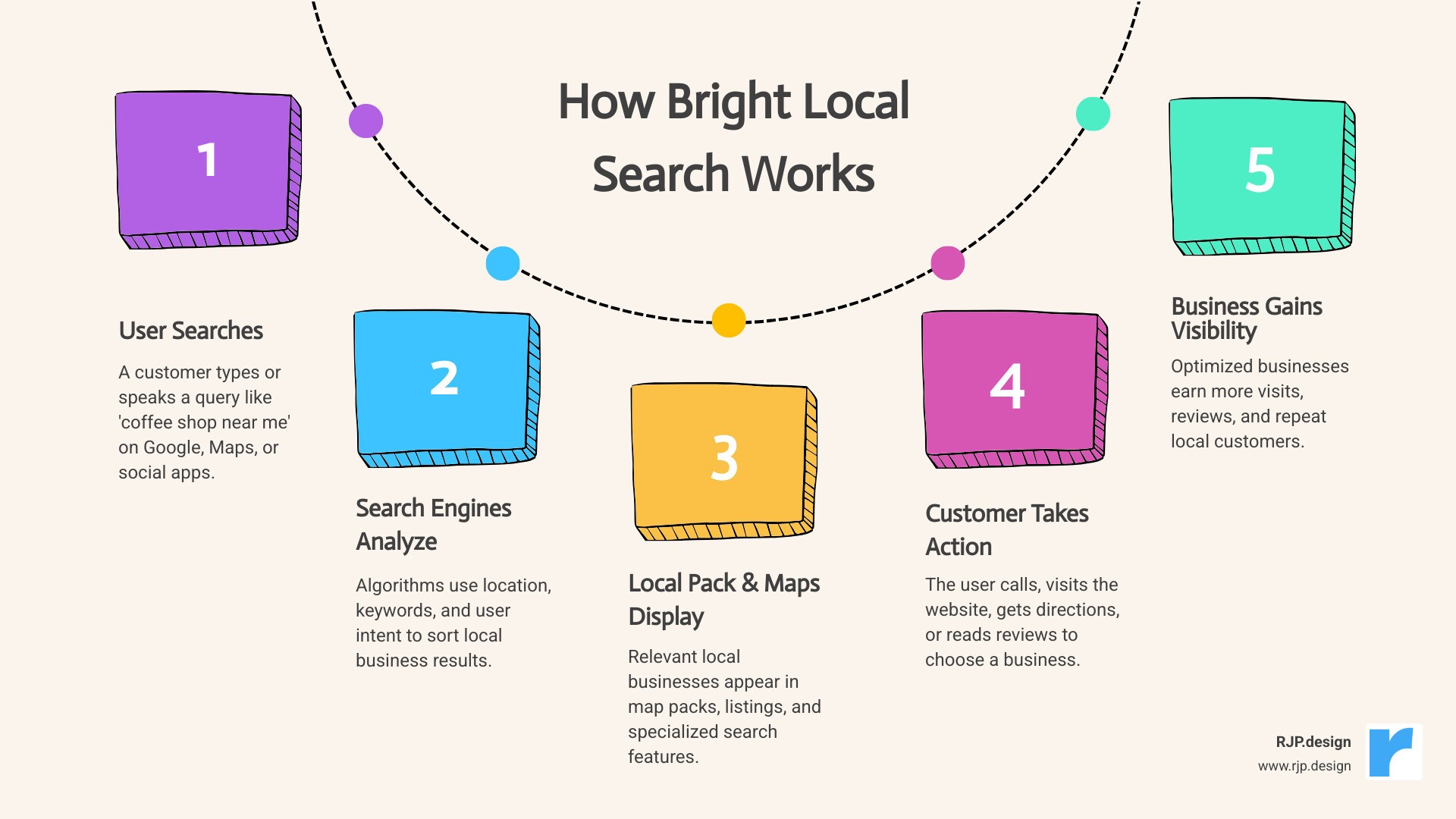
Bright local search terms at a glance:
Understanding Local Search in 2024
Bright local search has evolved from Yellow Pages to a digital marketplace where customers find you through Google Maps, social media, voice assistants, and AI chatbots. It’s everywhere, which is exactly why it matters for your business.
Here’s what makes local search different: intent and timing. When someone googles “pizza,” they might be researching. But “pizza near me” means they’re hungry right now. That’s when bright local search turns browsers into buyers.
Think about your phone usage. You get a flat tire and immediately search “mechanic.” Your kid needs supplies, so you look up “office store” while driving. This instant-need searching means your business must be ready when people need you most.
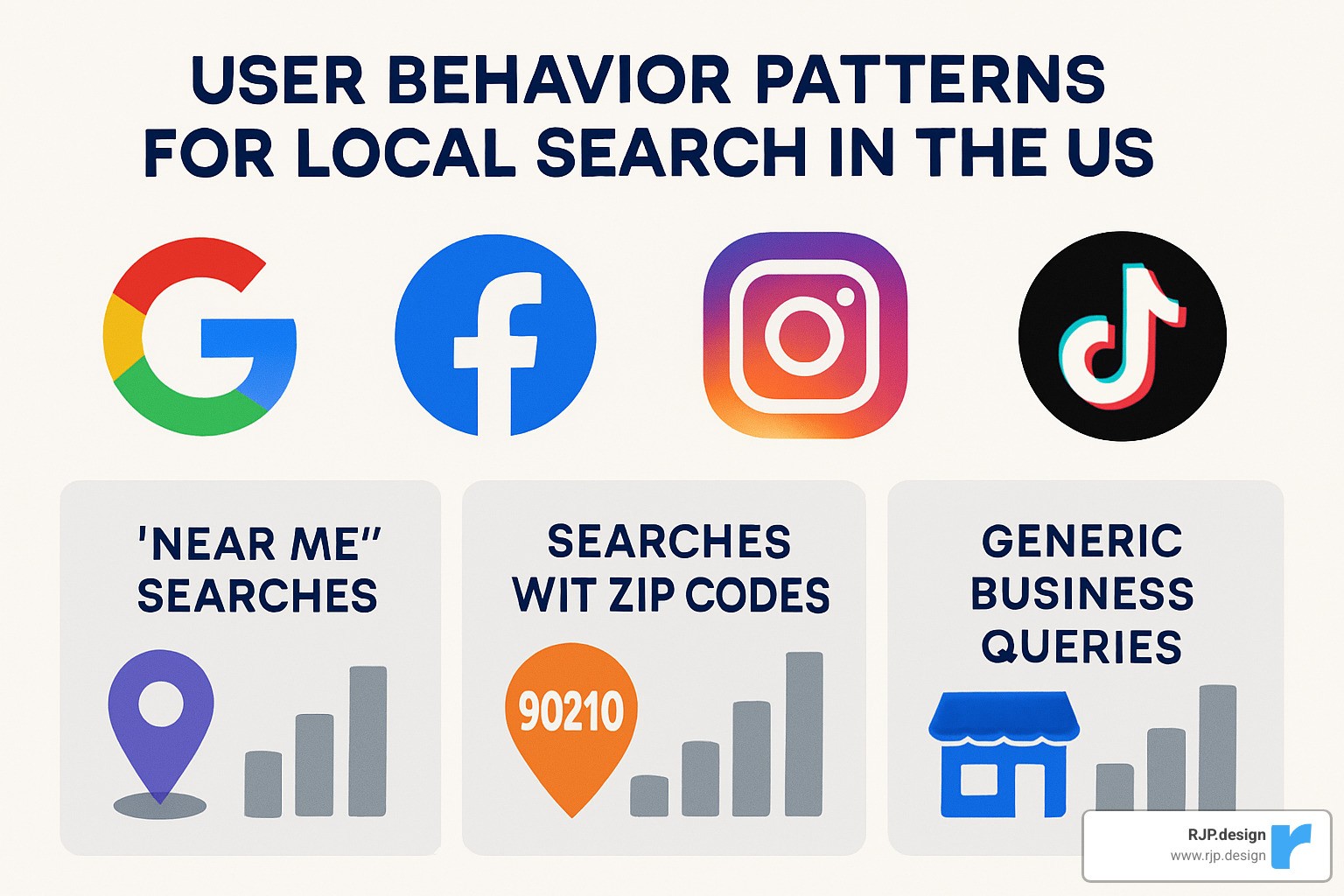
Interestingly, 54% of people include location terms in searches, but 17% never bother with location words. Younger searchers expect Google to know where they are and show nearby options automatically.
Why Local Search Matters Now
The numbers tell an amazing story: 21% of people search for local businesses daily. That’s more than one in five potential customers looking for what you offer every day. 77% search weekly and 91% search monthly.
These aren’t casual browsers. Local searchers are ready to buy, visit, or call—often within hours. Unlike regular web searches where people research for weeks, local search captures people at their moment of need.
Google’s results have gotten smarter with business information, maps, and AI-generated answers at the top. These zero-click results mean people get what they need without clicking through, making perfect business information setup even more crucial.
How Users Search for Local Businesses
Most local searches don’t include location words. People search “dentist” or “coffee shop” and trust Google to show nearby options. Google uses phone location to display relevant local businesses even for generic searches.
When people include location details, patterns emerge. Men use ZIP codes more often, while women prefer city names. Only 6% add neighborhood names, and 13% include streets—usually when they know exactly which business they want.
Social media has become huge for finding local businesses. Facebook leads with 59%, followed by YouTube at 49% and Instagram at 40%. TikTok is growing fast at 32%. Your bright local search strategy needs to go beyond Google.
The Anatomy of bright local search Results
If you’ve ever searched “best tacos near me” and seen a map with three juicy options pop up, you’ve experienced the magic of bright local search results. These results aren’t random—they’re carefully shaped by Google (and other platforms) to match what you want, where you are, and how likely you are to visit.
Let’s break down the main types of local results you’ll see:
The Local Pack is the star of the show. This is the box of three top businesses with map pins that shows up right under the ads on Google. These listings get lots of attention. Having a complete and well-optimized Google Business Profile makes you up to 70% more likely to get customer engagement—so don’t skip that step!
Next, we have Google Maps results. These are for people who want to scroll around, see all the local options on a map, or get directions. The businesses shown here can be a bit different from the Local Pack, depending on what you searched and how you interact with the results.
When people click “View all” below the Local Pack, they land in the Local Finder. This is like opening up the whole box of chocolates instead of just picking the top three. Here, users can see many more businesses, filter by things like ratings or hours, and really dig into the details.
Then there are the new kids on the block—Google’s AI Overviews. These experimental features try to answer your local questions in a conversational style, sometimes before you even finish typing. AI Overviews are still finding their footing, but they’re a big hint at where search is headed.
Another important area is the “Find Results On” section. This links users to business profiles on platforms like Yelp, Facebook, and niche directories. It’s a nudge from Google to remind you that your business details should be consistent everywhere, not just on Google.
Google’s Three Pillars: Proximity, Relevance, Prominence
Every time you show up in bright local search, you’re being measured against Google’s three giants: Proximity, Relevance, and Prominence.
Proximity is all about where your business is compared to the searcher. You can’t move your shop closer to every customer, but making sure your address is correct and consistent everywhere helps Google place you on the right spot in the map.
Relevance asks, “Does your business match what the searcher wants?” This is where your business category, description, services, and even your website’s content matter. The more closely you mirror the searcher’s needs, the better your chances.
Prominence is how much Google trusts you—and how well-known you are online. Things like reviews, links from other sites, mentions in directories (citations), and overall online buzz all play a part.
According to the latest local search ranking factors, Google Business Profile accounts for 32% of Local Pack rankings, followed by on-page optimization (19%), reviews (16%), links (11%), behavioral signals (8%), citations (7%), and personalization (6%). These pillars work together, so focusing on just one isn’t enough for lasting success.
bright local search Across Platforms
Bright local search isn’t just a Google thing anymore. The way people find local businesses is changing fast.
On TikTok, users search for nearby places, see directory-style listings, and even read reviews—all without leaving the app. Distance estimates and user content give searchers a real feel for what to expect.
Facebook Places lets businesses showcase photos, collect reviews, and chat directly with potential customers. Many people start their hunt for restaurants, events, and fun things to do right here.
Instagram is huge for businesses that can shine visually. Tagging locations in posts and stories, or being found through location searches, makes Instagram a key player—especially for cafes, salons, and shops.
Even AI tools like ChatGPT are getting in on the action, giving users conversational recommendations for local businesses. While these tools mostly pull from the web and listings, they’re another growing way people find what’s nearby.
The bottom line? bright local search is everywhere your customers are. Whether they’re searching on a map, scrolling through TikTok, or asking their favorite AI, your business needs to be easy to find and look its very best. Consistency and completeness across platforms matter more now than ever—which is exactly what we help with at RJP.design.
Looking to learn more about optimizing your Google Business Profile or local listings? Check out the latest research on ranking factors or explore Google Maps Optimization and Local SEO Services from our team.
Winning Ranking Factors & Optimization Strategies
Getting your business to the top of bright local search results isn’t about one magic trick—it’s about building a strong foundation across multiple areas. The businesses that consistently win understand this and create comprehensive strategies that make them look trustworthy, relevant, and prominent everywhere customers might find them.
Your Google Business Profile influences 32% of Local Pack rankings. Reviews and reputation pack a double punch at 16% of ranking factors while determining whether people choose your business. Citations and directory listings build local search authority through consistent information across trusted websites.
Google Business Profile Mastery
Your Google Business Profile is your business card, storefront window, and first impression combined. Every detail matters because this is often what potential customers see first.
Your primary category choice is absolutely critical—the most important factor for Local Pack rankings. Choose the most specific category that perfectly describes what you do. If you’re a family dentist, choose “family dentist” over just “dentist.”
You can add up to 10 categories, and research shows businesses with around four additional categories rank best. Only add categories representing services you actually offer.
Your business description should tell your story clearly. Include what you do, what makes you special, and areas you serve. Write conversationally, not for robots. Avoid cramming keywords unnaturally.
Photos grab 60% more attention than listings without them. Show your actual business—storefront for easy finding, team members, and quality work examples.
Google Posts let you share updates directly in your profile. Share latest projects, offers, or community involvement. Regular posting shows Google you’re active.
The products and services sections help Google understand your offerings. Be specific: instead of “plumbing,” list “emergency plumbing,” “drain cleaning,” and “water heater repair.”
More info about Google Maps Optimization can help you master these strategies.
Reviews & Reputation Drive Prominence
Reviews are digital word-of-mouth recommendations influencing both search rankings and customer trust.
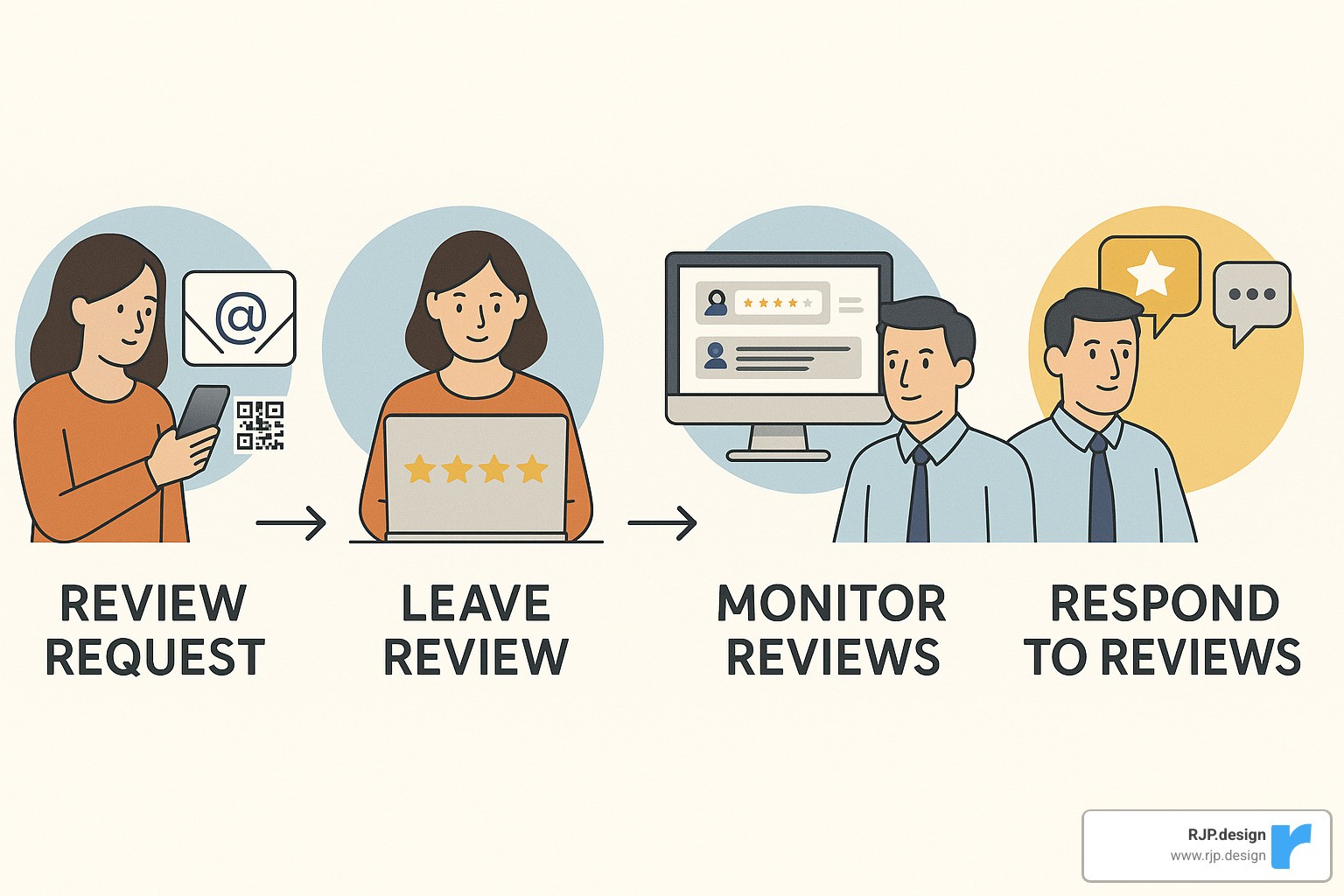
Ask for reviews right after delivering great service. Create simple systems: QR codes on receipts, follow-up texts with direct links, or friendly email reminders.
Respond to reviews to show you care. Thank people for positive reviews and respond professionally to negative ones, offering to make things right. Future customers watch how you handle problems.
Monitor your reputation everywhere—Facebook, industry sites, social media mentions. All contribute to online reputation and local search performance.
Citations, Directories & NAP Consistency
Citations are mentions of your business name, address, and phone number across the web. They help Google verify your business is real and established.
Start with big data aggregators like Infogroup, Localeze, and Factual. These feed information to hundreds of smaller directories automatically.
Industry-specific directories often carry more weight. Dental practices should prioritize dental directories; restaurants should focus on food sites.
Consistency beats quantity. Fifty accurate citations outperform 200 conflicting ones. Conflicting information creates confusion and hurts rankings.
More info about Local SEO Services can help develop comprehensive citation strategies.
On-Page & Technical Must-Haves
Your website remains crucial for bright local search. On-page optimization accounts for 19% of Local Pack factors and 36% of local organic rankings.
Local keyword optimization should feel natural. Include your city, neighborhood, and service areas in titles, descriptions, and content. Write for humans first.
Schema markup helps search engines understand your content. Local Business Schema tells Google exactly what your business is, where it’s located, and contact information.
Page speed matters more for local searches because people often use mobile devices with varying connections. Slow sites lose potential customers to competitors.
Scientific research on Core Web Vitals provides detailed guidance on website optimization.
Local Link Building & Community Signals
Local link building focuses on relevant, community-based connections rather than high-authority sites everywhere.
Community involvement creates natural link opportunities. Sponsor local teams, participate in chamber events, support charities—all generate relevant local links.
Local media relationships generate valuable coverage. Build relationships with local journalists and bloggers. Share interesting business stories or industry insights.
Industry partnerships create mutual opportunities. Wedding photographers partner with venues, caterers, florists—relationships leading to natural links and referrals.
Focus on relevance over raw authority. Local chamber links often carry more local search weight than massive but irrelevant national websites.
Monitoring & Measuring bright local search Performance
When it comes to bright local search, the job isn’t done after you’ve optimized your profiles and website. Tracking your progress is just as important as the work itself. After all, you need to know what’s working (and what’s not) so you can keep improving and stay ahead of local competitors. Think of it like checking your car’s dashboard before a road trip—you wouldn’t set off with your eyes closed, right?
Local rank tracking is a bit trickier than regular SEO. Your business might be a top result in one neighborhood, but not even show up in another area just a few blocks away. That’s why tools like Local Search Grid are so valuable: they help you see your rankings and visibility across your entire service area, not just one central location.
Keeping an eye on your share of voice is another smart move. This metric shows you how much of the local search “pie” your business owns compared to others nearby. It’s helpful for seeing where you dominate—and where you might need to step things up.
Running regular audits is the secret sauce for spotting problems early. Tools like Local Search Audit can scan hundreds of data points in minutes. They’ll flag citation errors, missing info, and areas that could use some optimization love. The sooner you catch these issues, the less they’ll hurt your search performance.
Essential Tools & Dashboards
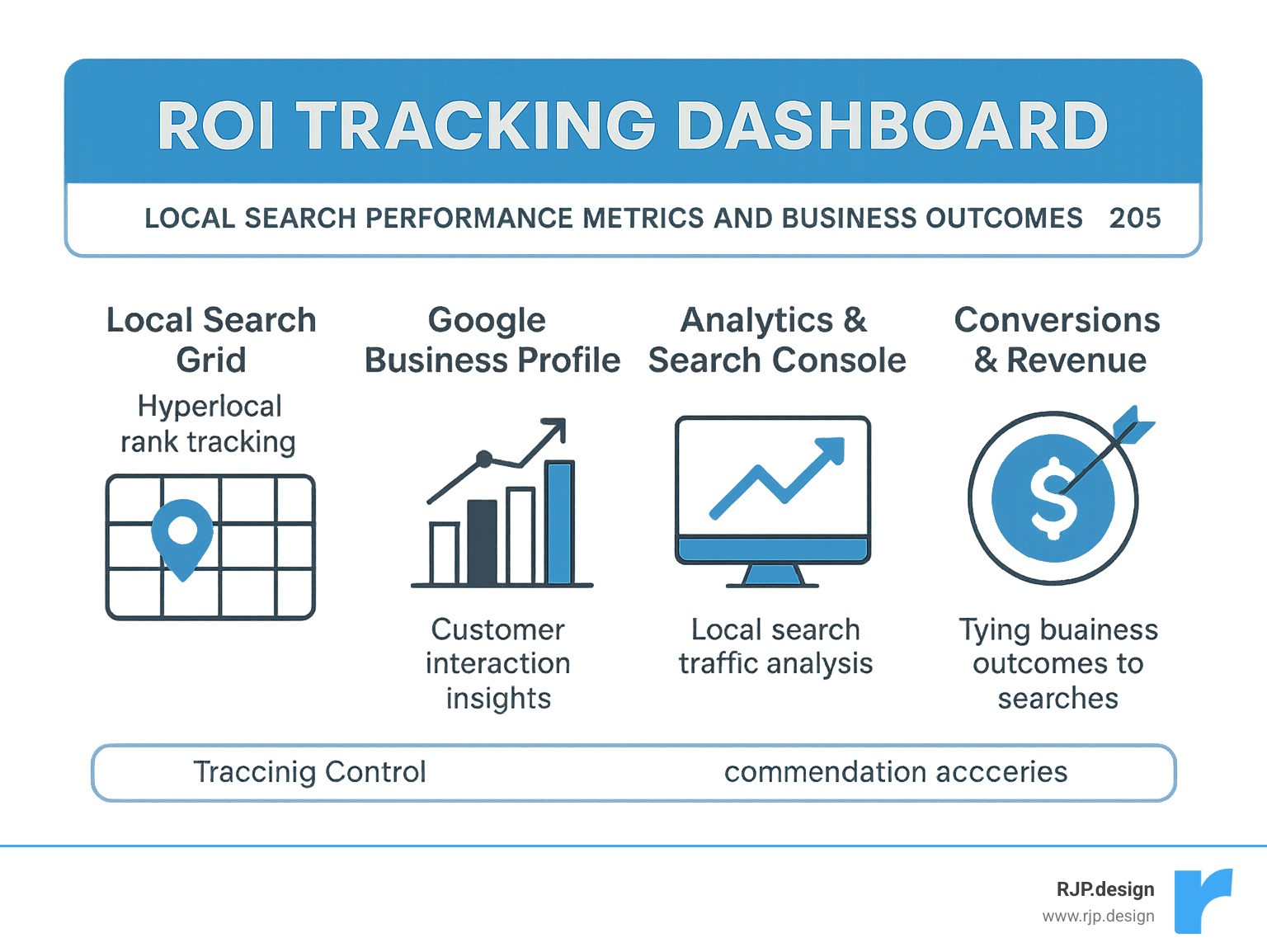
Getting a clear picture of your bright local search health is easier when you use the right tools. BrightLocal’s tool suite gives you an all-in-one view of your online presence. Their Local Search Audit checks up on your citations, reviews, social media, and technical setup—so nothing slips through the cracks.
For hyperlocal insights, Local Search Grid shows exactly how you’re ranking in different parts of your city or service area. This helps you find hidden opportunities and places where your visibility needs a boost.
Don’t forget about your Google Business Profile (GBP) insights. These tell you how customers are finding and interacting with your listing. You can track things like views, clicks, calls, and direction requests. It’s a goldmine for understanding what’s attracting real customers.
Pair those insights with Google Analytics and Google Search Console. Set up local goals and conversions to see which local search traffic actually brings in new leads or sales.
Want to get even more from your tracking setup? More info about Google Search Optimization can help you put together a measurement plan that’s custom to your local search goals.
Multi-Location & Continuous Improvement
If you have more than one location, things can get a little more complicated. Each location needs to be individually optimized, but you still want your brand to feel consistent everywhere.
The best approach is to create unique location pages for each spot. Avoid copying and pasting—each page should include details and photos that reflect that specific location. Mention nearby landmarks or unique neighborhood touches to make every page feel personal.
To keep everything running smoothly, set up repeatable processes for updates and audits. Templates can help keep your branding steady, but make sure you’re always adding a local twist. As you collect more data, look for patterns. If one location is performing better, see what they’re doing right, and apply those lessons everywhere.
Data rollups are your friend here. They let you see how all locations are doing at a glance, but you can still drill down to check the details for each spot.
Calculating ROI from bright local search Efforts
At the end of the day, you want to know: is this all paying off? Measuring ROI from bright local search means connecting your local presence directly to business outcomes like calls, visits, and sales.
Start with call tracking—use unique phone numbers for different campaigns or listings so you know where each call came from.
Lead tracking is also key. Tag all your online forms and inquiries so you can tie new leads back to specific search activities.
For the full picture, you’ll want to line up these insights with your sales and revenue data. Sometimes this means connecting your website analytics to your POS or CRM systems.
Finally, use dashboard reporting to bring it all together. Visual, easy-to-read reports help you (and your team or stakeholders) see exactly how your local search investment is helping your business grow.
Frequently Asked Questions about Bright Local Search
How does local search differ from traditional organic search?
The main difference comes down to location and user intent. Bright local search is all about helping people find businesses near them—think “pizza near me” or “best plumber in [your town].” It pulls in map listings, business panels, and local results based on where the searcher actually is (or wants to go).
Traditional organic search, on the other hand, casts a much wider net. It’s designed to deliver the best answers from anywhere on the web, no matter where you are. Here, relevance and authority matter most, focusing on things like content quality and backlinks, not necessarily location.
Local search has unique ranking factors. It leans heavily on things like your Google Business Profile, customer reviews, and consistent business listings (citations). Traditional SEO cares more about your website content, technical setup, and link-building from across the web.
In short: local search gets your business found by nearby customers who are ready to act, while traditional SEO builds your reputation and reach at a global level.
What are the top three ranking factors right now?
If you want to show up in the Local Pack (those valuable map results), it really comes down to three main things:
Google Business Profile signals (about 32%) – This includes how complete and accurate your profile is, your chosen categories, and how often you update it.
On-page optimization (about 19%) – That means making sure your website matches what people in your area are searching for, and that it’s fast and mobile-friendly.
Reviews (about 16%) – Both the number and quality of your customer reviews matter, along with your responses to them.
These aren’t separate silos. They work together. The most successful bright local search strategies cover all the bases—not just one. For the nitty-gritty stats, check out the Latest research on ranking factors.
How often should I audit my local presence?
Think of your local presence like a garden—regular care keeps everything healthy and growing. For most businesses, a monthly audit is a good rhythm. This helps you catch any sudden changes, like a misplaced phone number or a surge in reviews.
If your business is expanding, changing services, or you’re just super active, you might want to check things more often. Set up automated alerts for the big stuff—like a negative review or a mismatch in your business listings—so nothing slips through the cracks.
At least once a quarter, do a deep-dive audit. Compare yourself to competitors, review your strategies, and tweak as needed. Using tools like Local Search Audit makes the process much easier—and helps you spot issues before they become headaches. For step-by-step help, you can always look at our Google Search Optimization resources.
And remember, a little regular attention now can save you a lot of stress (and missed customers) later!
Conclusion
Bright local search isn’t just another marketing tactic—it’s how modern customers find and choose local businesses. The companies that thrive are those that understand this shift and build their entire online presence around being found when it matters most.
What we’ve learned is that success comes from doing many things well, not just one thing perfectly. Your Google Business Profile needs to be complete, your reviews need active management, your website needs local optimization, and your citations need to stay consistent. It’s like tending a garden—regular attention to all areas produces the best results.
The landscape keeps evolving, and that’s actually exciting. Voice search is making “near me” queries more conversational. Visual search lets people snap photos to find similar businesses nearby. AI assistants are starting to recommend local services in natural conversations.
But here’s what won’t change: customers will always value businesses that provide excellent service, maintain accurate information, and stay connected to their communities. The technology might shift, but these fundamentals remain rock solid.
At RJP.design, we’ve seen how the right approach to bright local search transforms businesses. We specialize in creating websites and enhancing online presence for businesses, ensuring they look great and are easily found online. Our down-to-earth team understands that behind every search is a real person with a real need—and that’s who we’re really optimizing for.
The businesses winning at local search today are those that started with the basics and kept improving. They track their progress, learn from their results, and adapt their strategies based on what actually works. Most importantly, they never forget that local search is about connecting with their neighbors and community.
Your local search journey doesn’t have to be overwhelming. Start where you are, focus on one improvement at a time, and remember that every small step forward puts you ahead of competitors who haven’t started yet.
More info about google-search-optimization can help you take the next steps in your local search journey.