Web
Tailored Tech Magic – Understanding Custom Web Applications
Jun 30, 2025

Custom Web Applications: 10 Powerful Benefits in 2025
Why Custom Web Applications Transform Business Operations
Custom web applications are custom software solutions built specifically for your business needs, running in web browsers to help you manage data, automate processes, and serve customers more effectively. Unlike off-the-shelf software, these applications are designed from the ground up to match your exact workflows and requirements.
Quick Overview: Custom Web Applications
– What they are: Browser-based software built specifically for your business
– Key benefits: Perfect fit for your workflows, no licensing fees, competitive advantage
– Common examples: Customer portals, inventory systems, booking platforms, internal dashboards
– Development time: 1-4 months for basic apps, 6-12 months for complex solutions
– Cost range: $10,000-$50,000 for simple apps, $50,000-$250,000+ for advanced systems
– Market growth: 22.5% annual growth expected through 2030
Think of custom web applications like a tailor-made suit – they fit your business perfectly instead of forcing you to adapt to generic software. The custom web application development market is booming, with 22.5% projected growth through 2030.
I’m Ross Plumer, and I’ve helped businesses generate over $20 million in revenue through strategic digital solutions, including custom web applications that streamline operations and boost growth.
Know your custom web applications terms:
– content management systems
– creative website solutions
– high-converting landing pages
What Are Custom Web Applications?
Custom web applications are interactive software programs that run in your web browser, built specifically to handle your unique workflows and challenges. Unlike your company website that acts like a digital brochure, a web application is more like having a digital employee that never takes a coffee break.
Web applications are browser-based, data-driven and interactive – users can create records, update information, generate reports, and automate tasks that used to eat up hours of manual work. The magic happens in how they’re custom-built for your workflows.
Feature | Custom Web Applications | Off-the-Shelf Software |
|---|---|---|
Fit to Business | Perfect match for workflows | Generic, one-size-fits-all |
Cost Structure | One-time development cost | Ongoing licensing fees |
Feature Control | You decide what gets built | Limited to existing features |
Integration | Seamless with your systems | May require workarounds |
Competitive Edge | Unique to your business | Same as competitors |
Scalability | Built for your growth plans | Limited by vendor roadmap |
Custom Web Applications vs Standard Websites
The difference between custom web applications and regular websites is like comparing a Swiss Army knife to a picture frame. Your standard website displays information and builds trust. But custom web applications handle the heavy lifting – they perform CRUD operations (Create, Read, Update, Delete data), manage user accounts, process information in real-time, and automate repetitive tasks.
The data-driven UI means the application shows different information based on who’s logged in and what they need to see.
Types and Real-World Examples
Custom web applications come in as many flavors as there are business challenges to solve:
E-commerce platforms go beyond basic online stores with custom pricing tiers, personalized recommendations, and specialized checkout flows.
Internal dashboards are like mission control for your business, pulling data from multiple systems into one unified view.
Customer portals transform how you serve clients while reducing support workload – clients access everything they need in their secure portal.
ERP systems bring order to growing businesses drowning in spreadsheets by connecting sales, inventory, operations, and finances.
CRM applications that match your actual sales process instead of forcing you to adapt to generic workflows.
One client’s revenue tracking in Google Sheets had become a nightmare. We built them a clean, focused custom web application that captured exactly the data they needed and automated their calculations. They went from spending hours wrestling with spreadsheets to getting insights with a few clicks.
Why Businesses Choose Custom Solutions
Most business software feels like it was designed by someone who has never actually run a business. The custom software development market is growing at 22.5% annually through 2030 as businesses vote with their wallets for solutions that actually work.
Unique workflows need unique solutions. Your business processes give you an edge over competitors. When you force those processes into generic software, you lose what makes you special. Custom applications preserve and amplify your competitive advantages.
The money side makes sense too. Yes, custom development requires upfront investment, but think about those monthly licensing fees for software packed with features you’ll never touch. Custom web applications flip this model – you pay once, own forever, and get exactly what you need.
Licensing freedom means you’re not locked into a vendor’s roadmap or pricing changes. You own the code, control the features, and can modify things as your business evolves.
For businesses serious about growth, custom applications work hand-in-hand with strategic digital marketing to create a cohesive online presence.
Efficiency, Scalability & UX Gains for Custom Web Applications
Automation becomes your secret weapon when built specifically for your processes. We’ve seen businesses cut data entry time by 90% while improving accuracy through smart validation and real-time updates.
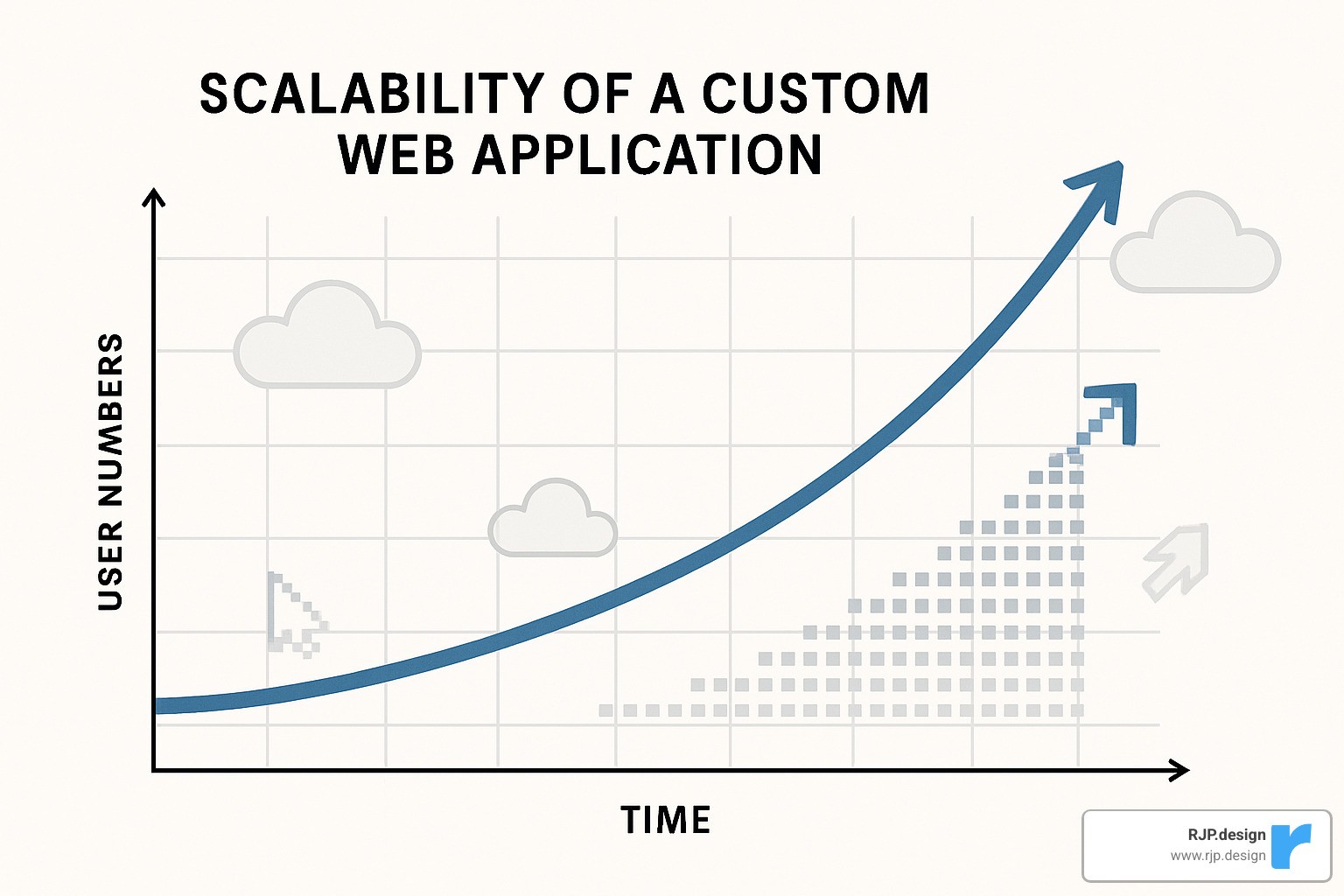
User experience gets a complete makeover when the interface matches how your team actually thinks and works. Responsive design means applications work beautifully on desktop, tablet, or phone. Real-time reporting comes built-in instead of being expensive add-ons.
Competitive Advantage and Long-Term Value
Brand differentiation happens naturally when customers interact with something uniquely yours. Complete ownership means you control the roadmap and aren’t hostage to vendor decisions.
Future-proofing becomes possible when applications are built to evolve. The integration ecosystem creates a cohesive technology stack instead of disconnected tools that fight each other.
The businesses that invest in custom web applications early often become the ones that dominate their markets later.
How Custom Web Applications Are Built
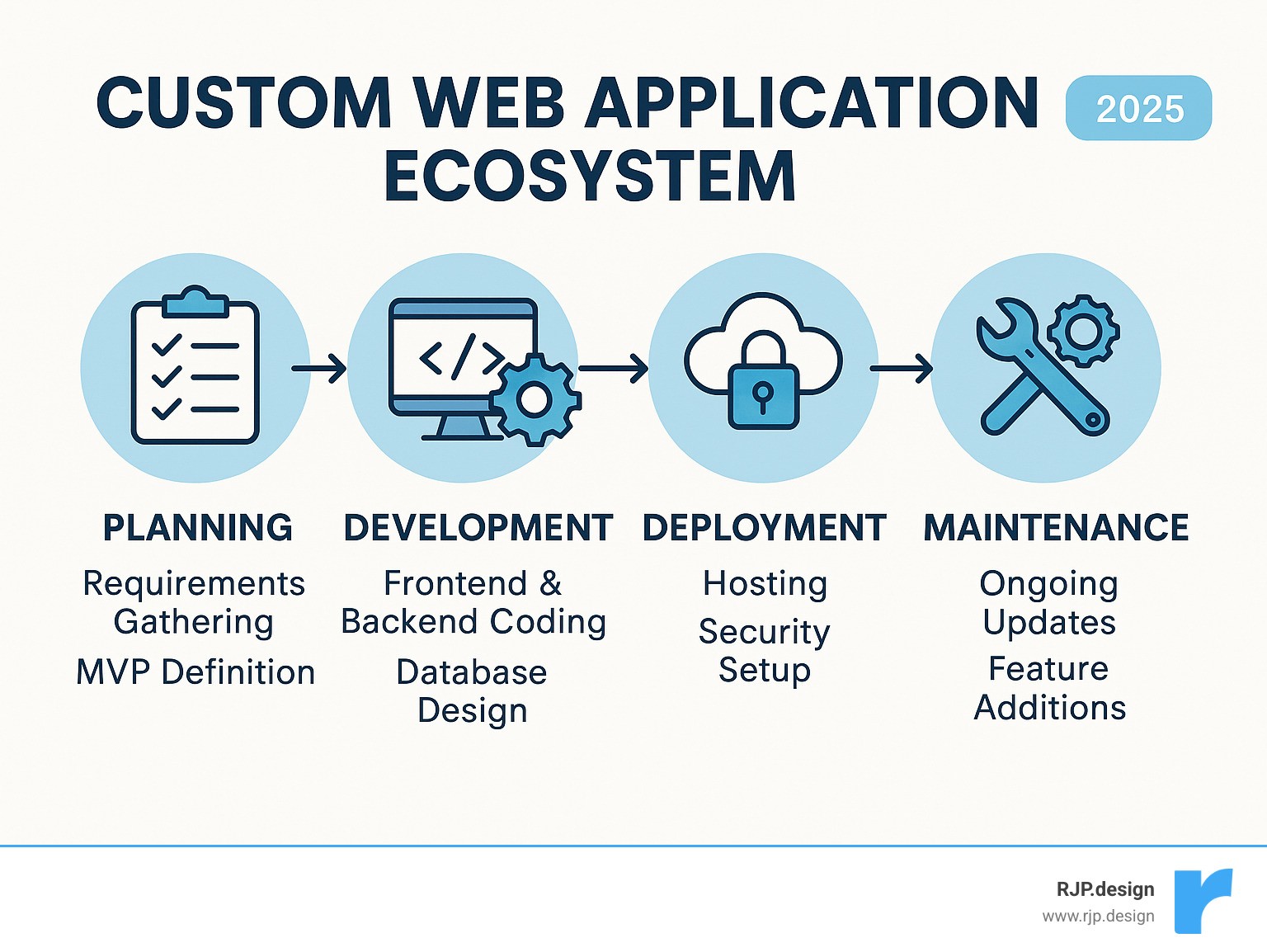
Building custom web applications follows a Software Development Life Cycle (SDLC) that protects your investment while ensuring quality results. We start with planning, move through design and architecture, then development, testing, deployment, and finally maintenance and evolution.
We use agile methodologies, which means you’ll see working software early and often. Low-code versus full-code development is a choice we help you steer based on your specific needs.
For comprehensive solutions, our web design & development services work seamlessly with custom applications.
Planning & Requirement Gathering
Creating a comprehensive Product Requirements Document (PRD) captures your business objectives, user needs, and technical constraints. We develop detailed user stories and use cases and start with a Minimum Viable Product (MVP) scope that delivers core functionality quickly.
Stakeholder alignment prevents painful conflicts later, and thorough technical feasibility analysis prevents costly surprises.
Choosing Tech Stack & Platforms for Custom Web Applications
Frontend technologies like React, Angular, or Vue.js create dynamic, responsive interfaces. Backend development options include Node.js, Python with Django, or PHP with Laravel depending on your needs.
Database selection affects performance – SQL databases like PostgreSQL work well for structured data, while NoSQL solutions like MongoDB excel with flexible data structures.
Cloud infrastructure platforms like AWS, Google Cloud, and Microsoft Azure provide managed services that improve performance and reliability.
Development, Testing & Deployment
Frontend development creates intuitive, responsive experiences. Backend API development handles business logic through RESTful or GraphQL APIs. Database implementation includes optimized schema design.
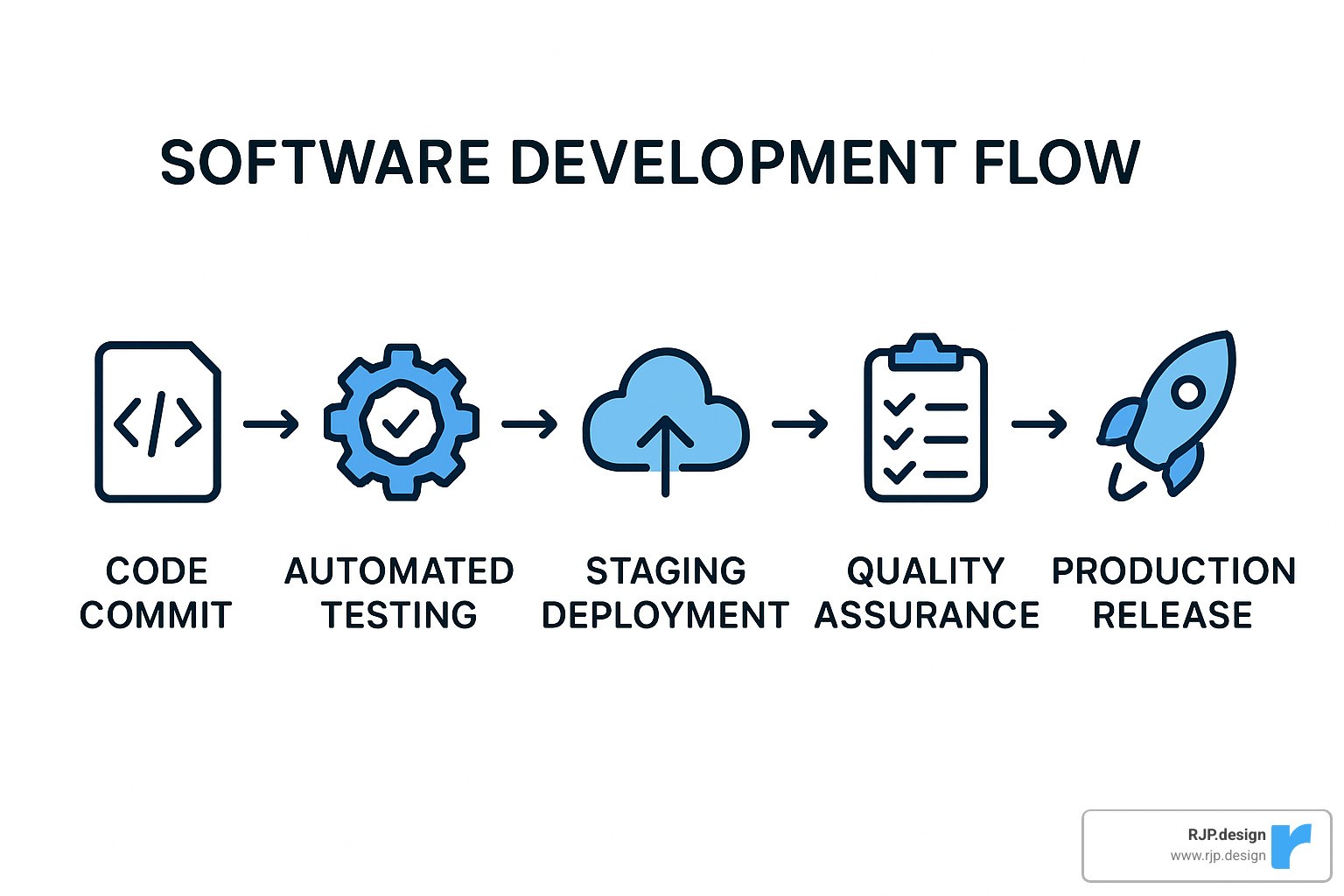
Quality assurance includes unit tests, integration tests, and end-to-end tests. Staging and production deployment follows proven processes with rollback capabilities.
Security, Integration & Maintenance
Custom web applications excel at becoming the central hub that brings your existing tools together. API integration automatically syncs data between systems, while Single Sign-On (SSO) eliminates password juggling.
Data protection ensures all information travels encrypted. Compliance requirements like GDPR, HIPAA, or SOC 2 get built into the foundation.
We follow OWASP security recommendations to ensure your application stays protected against evolving threats.
Integrating with Existing Systems
CRM synchronization keeps customer data consistent across platforms. ERP and financial system connections eliminate monthly reconciliation headaches. Third-party service integration extends capabilities without reinventing the wheel.
REST and GraphQL APIs ensure your application can adapt to future needs.
Security Best Practices for Custom Web Applications
OWASP Top 10 compliance addresses the most common attack vectors. Authentication and authorization go beyond simple passwords with multi-factor authentication and role-based access.
Security monitoring happens continuously with automated systems watching for unusual activity. Backup and disaster recovery planning assumes the worst will happen eventually.
Ongoing Maintenance & Scaling
Version control and updates happen systematically. Performance monitoring reveals optimization opportunities before problems frustrate users.
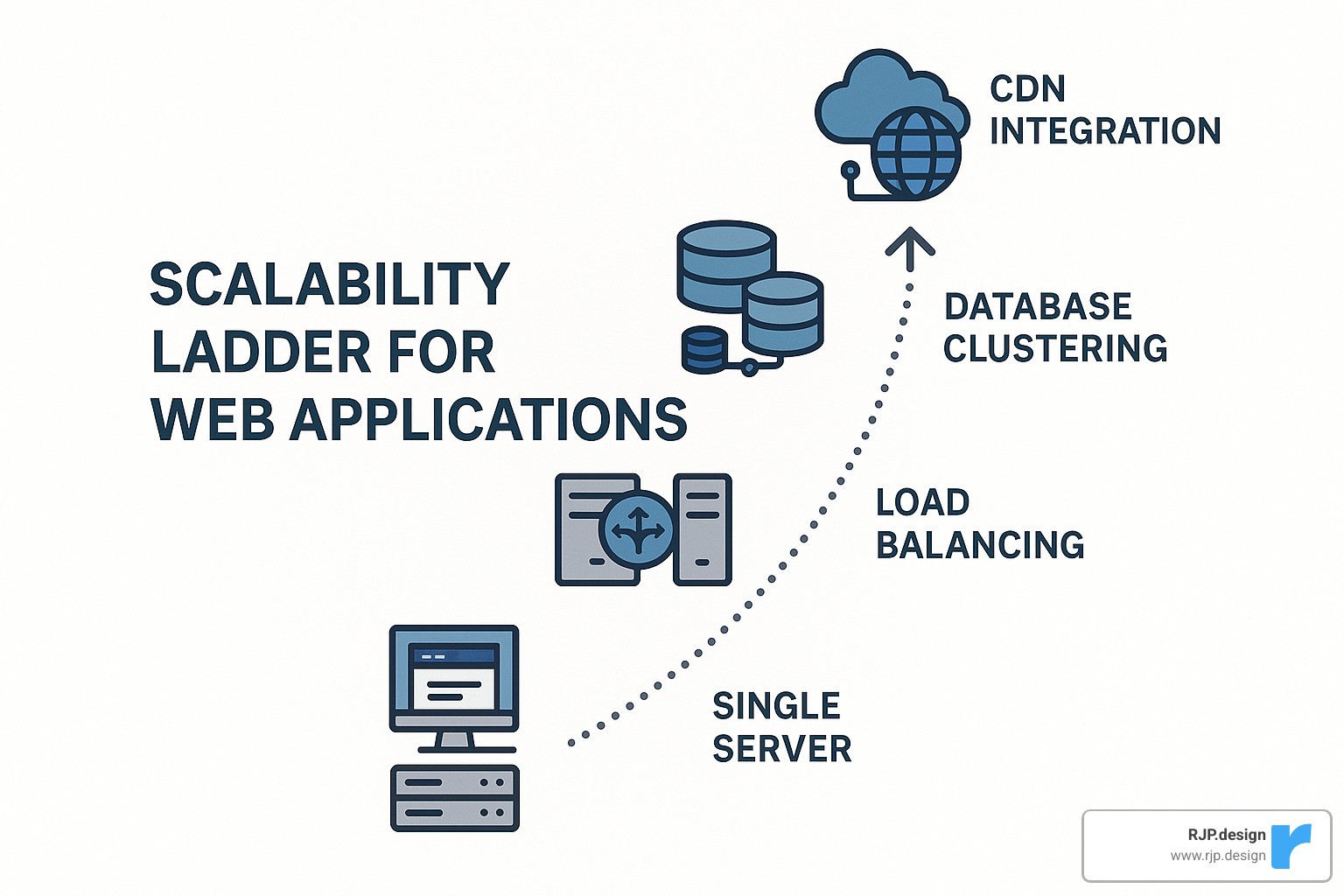
Feature roadmap development keeps applications aligned with business goals. User feedback integration drives continuous improvement.
Costs, Timelines & Decision Criteria
Understanding the investment for custom web applications helps you make smart decisions. Simple applications typically run $10,000-$50,000. Medium complexity projects fall in the $50,000-$150,000 range. Complex applications can range from $150,000-$250,000 or more.
Timeline expectations: Basic applications take 1-4 months, fully featured applications require 6-12 months, while enterprise systems can take 12+ months.
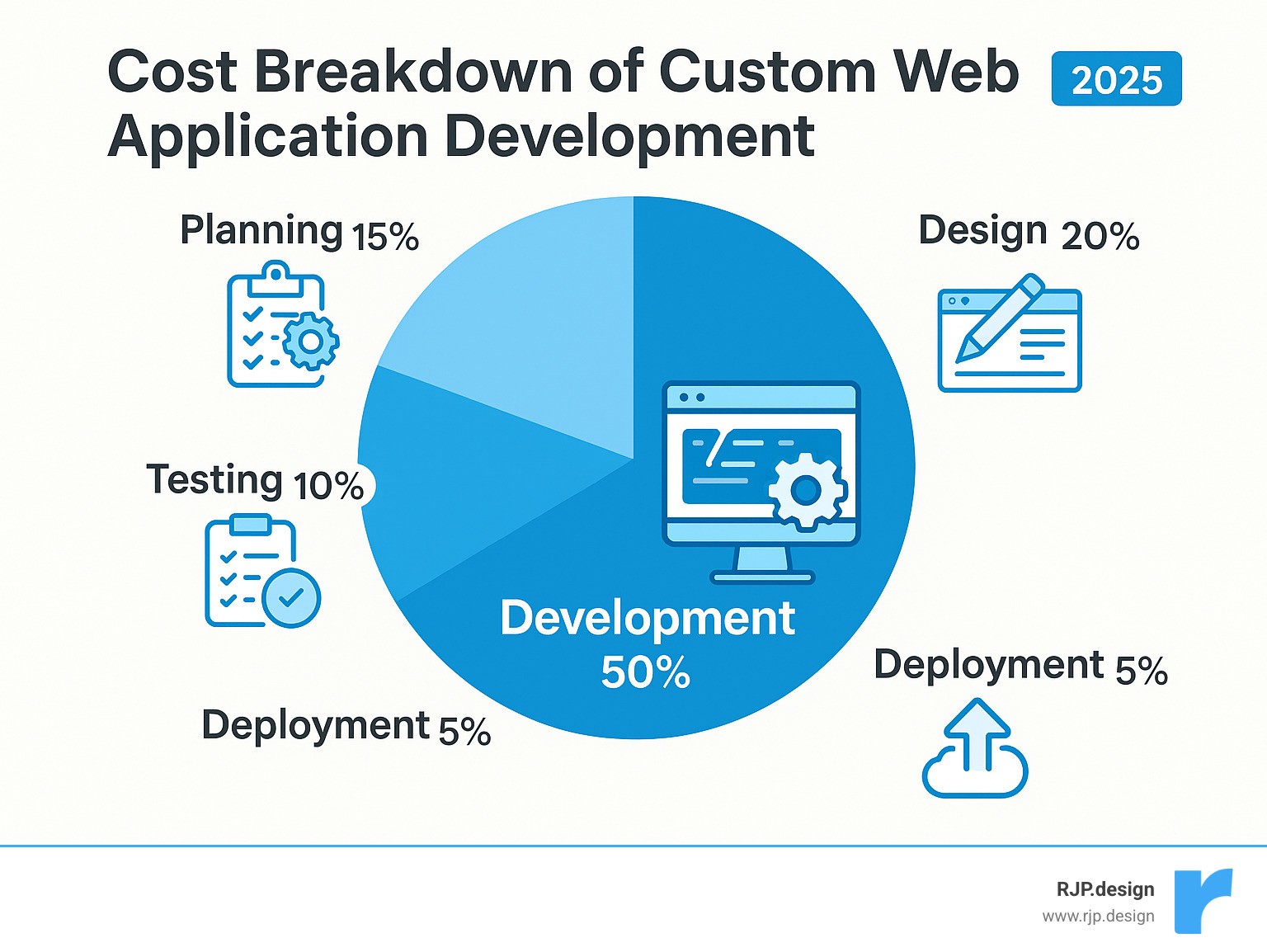
Estimating Budget & ROI of Custom Web Applications
Feature complexity has the biggest impact on budget. User capacity and integration requirements also affect costs significantly.
Most businesses see break-even within 12-24 months when comparing custom application costs to ongoing software licensing fees.
When to Go Custom vs Off-The-Shelf
Custom web applications make sense when your business processes provide competitive advantage or when you’re spending significant money on multiple software licenses that don’t integrate well.
Off-the-shelf software makes sense when your processes align with industry standards and you need functionality immediately.
The right choice depends on how unique your processes are, how many systems need integration, your budget versus long-term value, and your growth plans.
Frequently Asked Questions about Custom Web Applications
How long does it take to build a custom web application?
Basic applications take 1-4 months, complex applications need 6-12 months. Feature complexity makes the biggest difference. Using low-code platforms can dramatically cut development time.
We recommend starting with a Minimum Viable Product (MVP) that gets core functionality working quickly, then adding features based on real user feedback.
What technologies are most popular for custom web applications?
For frontend: React is incredibly popular for its flexibility, Angular works well for enterprise applications, Vue.js is easier to learn while still powerful.
For backend: Node.js allows JavaScript everywhere, Python with Django is great for data-heavy applications, PHP with Laravel has excellent documentation.
Cloud platforms like AWS, Google Cloud, and Microsoft Azure have revolutionized deployment and scaling.
How do custom web applications handle future feature requests?
We build applications with modular architecture so adding features doesn’t require rebuilding everything. We follow a structured process assessing business impact and technical feasibility.
We recommend quarterly reviews to discuss improvements and plan development work. All new features go through the same rigorous development and testing process as your original application.
Conclusion
Building custom web applications creates a foundation for your business’s digital future. With 22.5% projected growth through 2030, businesses are realizing you shouldn’t change how you work to fit your software – your software should work exactly the way you do.
Custom web applications deliver real value through efficiency gains that compound over time. When we eliminate duplicate data entry and automate repetitive tasks, the time savings add up quickly. The competitive advantage is equally compelling – while competitors struggle with generic tools, your custom application gives you unique capabilities.
Modern development practices have made custom solutions more accessible and reliable than ever. Security, integration, and maintenance are built into the foundation, not added as afterthoughts.
The key to success lies in proper planning and choosing the right development partner. You need a team that understands both technology and business.
At RJP.design, we’ve helped businesses generate over $20 million in revenue through strategic digital solutions, including custom web applications that streamline operations and open up growth. We believe technology should make your life easier, not more complicated.
Ready to explore what’s possible with a custom solution built specifically for your business? Check out our work and results to see how we’ve helped other businesses transform their operations through thoughtful custom development. Your perfect-fit application is waiting to be built.