SEO
SEO Unleashed: A Complete Guide to Comprehensive Services
Apr 23, 2025
Releaseing the Power of Modern SEO
Comprehensive SEO services are a complete suite of optimization strategies designed to improve your website’s visibility in search engine results, drive qualified traffic, and boost conversions.
Here’s what comprehensive SEO services typically include:
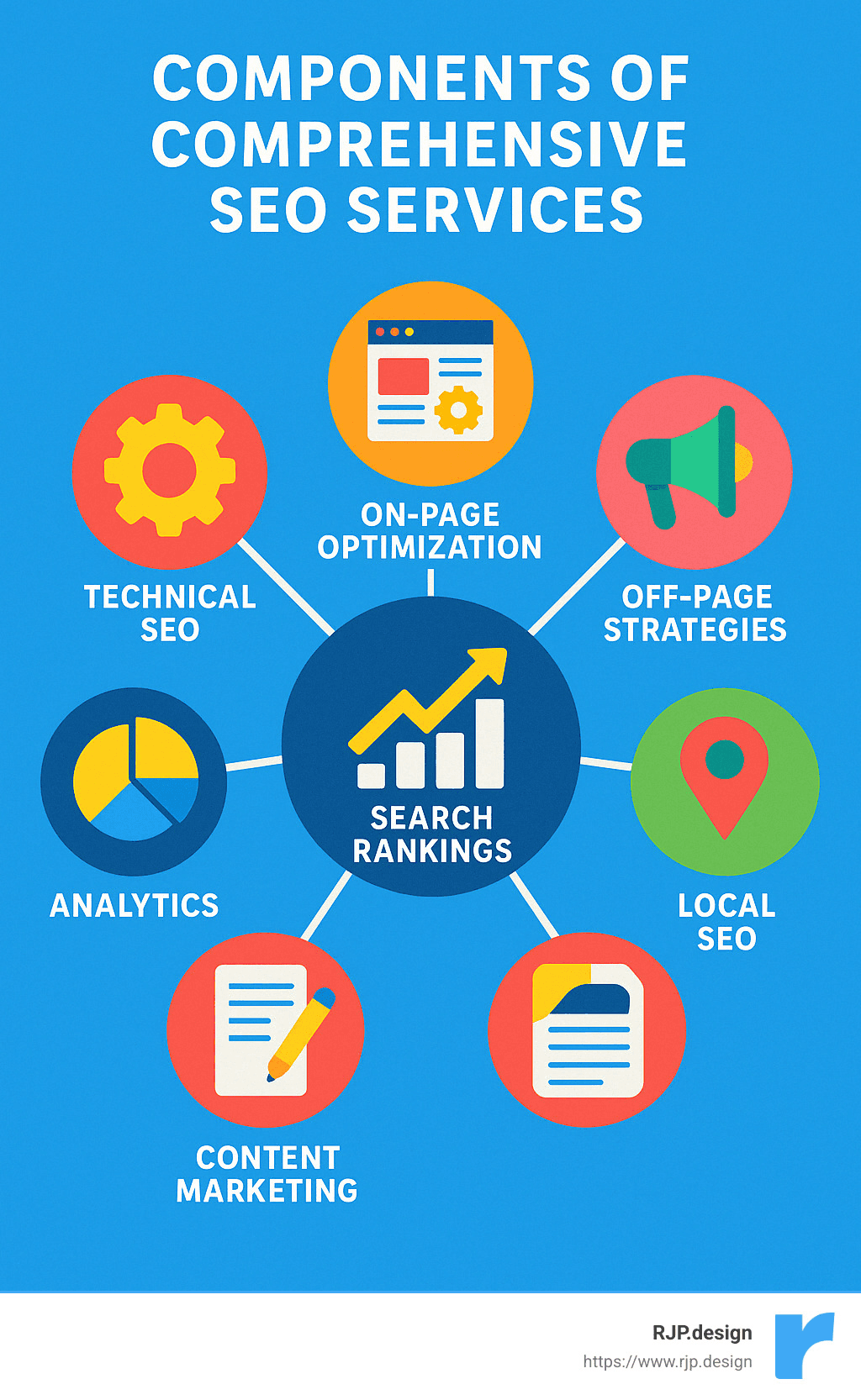
Component | What It Includes | Why It Matters |
|---|---|---|
Technical SEO | Site structure, crawlability, indexing, page speed | Ensures search engines can find and understand your site |
On-Page SEO | Content optimization, meta tags, keywords | Helps pages rank for relevant searches |
Off-Page SEO | Link building, citations, social signals | Builds authority and credibility |
Local SEO | Google Business Profile, local citations, reviews | Captures nearby customers searching for your services |
Content Strategy | Blog posts, landing pages, multimedia | Engages users and answers their questions |
Analytics & Reporting | Performance tracking, KPIs, competitive analysis | Measures success and guides strategy adjustments |
The digital landscape has transformed dramatically in recent years, with over 53% of all website visits now originating from organic search. For small business owners, this presents both a challenge and an opportunity. While an outdated website with poor visibility can severely limit your customer reach, implementing the right SEO strategies can transform your online presence.
Comprehensive SEO services go beyond simple keyword optimization. They address every aspect of how your website appears to both search engines and potential customers. Unlike quick-fix approaches that might temporarily boost rankings, a complete SEO strategy builds a sustainable foundation for long-term growth.
“75% of users don’t venture beyond the first page of search results.”
This sobering statistic highlights why proper SEO isn’t just helpful—it’s essential for business survival in the digital age. Without effective optimization, even the best products and services remain hidden from potential customers.
I’m Ross Plumer, and I’ve helped businesses implement comprehensive SEO services that have marketed over $20 million in revenue, combining technical expertise with psychological insights to create strategies that truly connect with target audiences.
Essential comprehensive SEO services terms:
Understanding Comprehensive SEO Services
In today’s crowded digital marketplace, having a website is just the starting point. To truly succeed online, your business needs to be findable, engaging, and designed to convert visitors into customers. This is exactly where comprehensive SEO services make all the difference – they’re the foundation of any effective digital strategy.
What Are Comprehensive SEO Services?
Comprehensive SEO services take a holistic approach to improving your online visibility. Instead of focusing on just one or two aspects of optimization, they address every element that affects how your website performs in search results.
Think of basic SEO as treating symptoms, while comprehensive SEO solves the underlying issues. One of our clients put it perfectly: “It’s like the difference between putting a bandage on a problem versus getting a complete health makeover.”
Basic SEO Services | Comprehensive SEO Services |
|---|---|
Simple keyword research | In-depth keyword analysis with search intent mapping |
Basic meta tags | Complete on-page optimization including schema markup |
Some content optimization | Full content strategy with regular updates |
Limited technical fixes | Thorough technical audit and ongoing maintenance |
Few backlinks | Strategic link building campaigns |
Basic reporting | Detailed analytics and ROI tracking |
No local focus | Complete local SEO optimization |
Limited mobile optimization | Full mobile-first approach |
At RJP.design, we’ve witnessed incredible changes when businesses make the switch from basic to comprehensive SEO services. One local healthcare provider we worked with saw their organic traffic jump by 236% within a year after implementing our complete strategy – something that simply wouldn’t have happened with a piecemeal approach.
“SEO isn’t a one-time fix but a continuous process that demands ongoing effort,” as one of our specialists often reminds clients. This perspective explains why quick fixes rarely deliver lasting results.
Why Comprehensive SEO Services Matter
The digital landscape has never been more competitive. With millions of websites competing for attention, standing out requires a sophisticated, well-rounded approach.
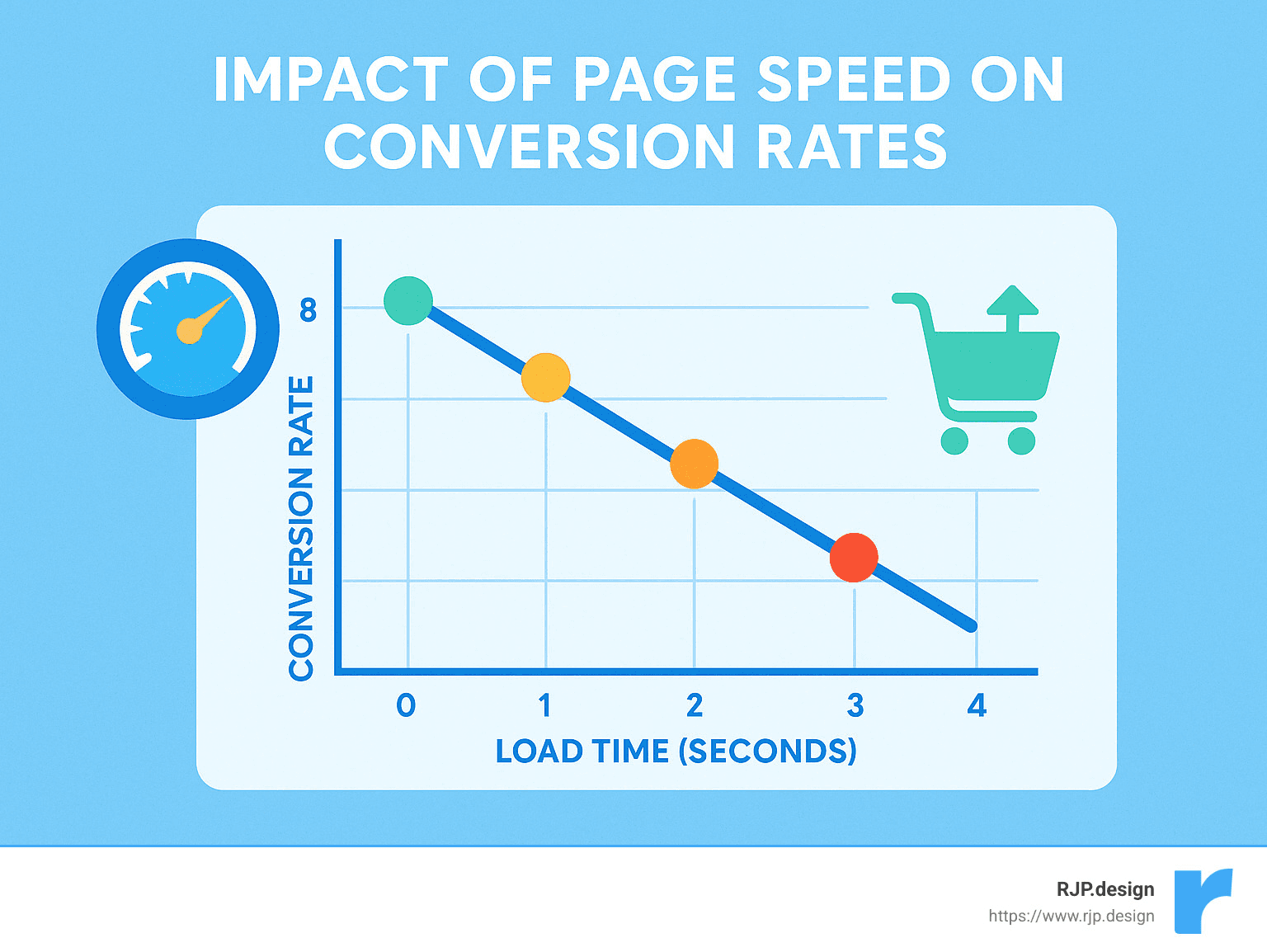
Did you know that 64% of customers search for local businesses online? Or that a single second of delay in page loading can cost you 7% of potential conversions? Search engines now use over 200 different factors to determine where your website appears in results.
The stakes are incredibly high when it comes to search visibility. With 75% of users never venturing beyond the first page of search results, your business essentially becomes invisible if you’re not ranking well. Comprehensive SEO services ensure you’re not just present online but prominently positioned exactly where your potential customers are looking.
“Every business has unique needs, and we craft SEO strategies designed specifically for your goals,” shared one of our construction company clients who experienced an 800% increase in online leads after we implemented a comprehensive approach custom to their industry.
What makes comprehensive SEO services so powerful is their integrated nature. When your technical foundation, content strategy, and off-site reputation all work together, the results aren’t just additive – they’re multiplicative. Each element strengthens the others, creating a sustainable system for online growth rather than just temporary ranking boosts.
Essential Components of Comprehensive SEO Services
When we talk about comprehensive SEO services, we’re really discussing a symphony of strategies working together. Let’s break down these core elements that create real results for your business online.
Keyword Research and Analysis
Think of keywords as the foundation of your SEO house – without the right ones, everything else might collapse. Good keyword research isn’t just about finding popular search terms; it’s about understanding your customers on a deeper level.
At RJP.design, we dig beyond basic search volume to uncover what your potential customers are really looking for. We analyze search intent (are they ready to buy or just researching?), evaluate how difficult keywords will be to rank for, and identify those valuable long-tail opportunities that your competitors might be missing.
One of our home services clients finded this power firsthand. They had no idea they were missing out on significant traffic by not targeting specific “service + location” keywords. After implementing these terms strategically, they saw their page 1 rankings jump by 114% and their organic traffic increase by 115% in just one year. That’s real business impact!
Understanding the investment required for proper keyword research is important. If you’re curious about costs, our guide on SEO Consultant Price can help you make informed decisions about your SEO budget.
Technical SEO
Behind every great website is solid technical SEO – the nuts and bolts that help search engines understand and rank your content. Think of it as making sure your car’s engine is tuned up before a long road trip.
What’s fascinating about technical SEO is how much impact it can have on your results. We’ve helped businesses reduce their page load times by up to 65% through technical improvements alone. When you consider that a one-second delay in page load time can lead to a 7% loss in conversions, these improvements directly affect your bottom line.
Website architecture ensures search engines can easily steer your site. Crawlability makes sure Google can find all your important pages. Mobile responsiveness keeps your site looking great on phones and tablets. Schema markup helps search engines better understand your content. All these elements work together to build a solid technical foundation.
Security also plays a huge role in modern SEO. If you’re curious about how HTTPS impacts your search rankings, this detailed analysis provides some eye-opening insights.
Content Optimization
Content might be king, but optimized content wears the crown with confidence. Comprehensive SEO services include strategies that satisfy both search engines and human readers – because ultimately, you’re writing for people.
Good content optimization feels natural, not forced. We focus on placing keywords strategically in titles and headings, creating compelling meta descriptions that improve click-through rates, and structuring content with proper header tags (H1, H2, H3) that make information easy to digest.
Internal linking is another powerful but often overlooked strategy. By connecting related content on your site, you help visitors find more relevant information while also helping search engines understand your site structure.
One of our financial services clients experienced the difference good content optimization makes. After implementing a comprehensive content strategy aligned with user search intent, their organic traffic increased by 130%. These weren’t just any visitors – they were qualified prospects looking for exactly what our client offered.
For businesses using HubSpot, there are platform-specific techniques that can amplify your results. Our guide on HubSpot Search Engine Optimization shows you how to make the most of this powerful platform.
Off-Page SEO and Link Building
While you’re busy perfecting your website, what happens elsewhere on the internet significantly impacts your search rankings. Off-page SEO, particularly link building, is like getting votes of confidence from other websites.

Quality matters far more than quantity in modern link building. As one industry expert puts it, “Google loves links coming from niche-related aged sites more than just good metrics.” This means one link from a respected industry publication can outweigh dozens from irrelevant sites.
We’ve seen remarkable results with strategic link building. A home improvement client of ours saw a 344% increase in page 1 rankings after implementing our link-building campaign that prioritized quality connections over quantity.
Effective off-page SEO includes strategic backlink acquisition from authoritative websites, guest blogging that provides real value, digital PR efforts that earn mentions in publications, and building social signals through engagement on platforms where your audience spends time.
For those interested in the latest research on effective link building strategies, particularly for local businesses, this comprehensive guide offers valuable insights on how citations impact local SEO efforts.
Local SEO Strategies
If your business serves specific geographic areas, local SEO isn’t optional – it’s essential. With 64% of customers searching for local businesses online, showing up in those “near me” searches can be game-changing.
The foundation of good local SEO is a well-optimized Google Business Profile (formerly Google My Business). This free tool is often the first impression potential customers have of your business, so keeping it accurate, complete, and engaging is crucial.
Local keyword targeting incorporates location-specific terms into your content naturally. Citation building ensures your name, address, and phone number (NAP) appear consistently across the web. Review management helps you actively collect and respond to customer feedback, which both improves your reputation and sends positive signals to search engines.
One local HVAC company we worked with saw a staggering 763% increase in qualified leads after implementing our comprehensive local SEO strategy. The best part? These weren’t just any leads – they were from their exact service area, looking for exactly what they offered.
For businesses looking to improve their local visibility, our detailed guide on Local SEO Services provides actionable strategies and best practices.
Mobile Optimization and Page Speed
With over 60% of all website traffic now coming from mobile devices, mobile optimization has moved from “nice to have” to “absolutely essential.” Similarly, page speed impacts both your search rankings and whether visitors stick around long enough to become customers.
Responsive design ensures your site looks great on screens of all sizes. Touch-friendly elements make navigation easy for fingers, not just mouse pointers. Image optimization keeps your visuals looking sharp while loading quickly. Code minification removes unnecessary characters to speed up loading times.
The impact of these optimizations can be dramatic. One retail client saw their bounce rate decrease by 35% after we reduced their page load time from 5.2 seconds to under 2 seconds. This directly contributed to a 27% increase in conversions – real sales from people who previously would have given up waiting.
At RJP.design, we’ve helped businesses increase their mobile conversion rates by up to 40% through targeted optimization efforts. These improvements don’t just help with SEO – they create a better experience for your visitors, which ultimately leads to more business.
Measuring the Success of Your SEO Campaigns
If you’ve invested in comprehensive SEO services, you need to know if they’re actually working. After all, how can you improve what you don’t measure? Think of SEO measurement as your GPS – it tells you if you’re heading in the right direction or if you need to make a turn.
Key Performance Indicators (KPIs) for SEO
When clients ask me, “How do we know if this SEO stuff is working?” I always start by explaining the key metrics that actually matter. It’s not just about rankings – it’s about results.
The most important SEO metrics to track include organic traffic (visitors coming to your site through non-paid search), keyword rankings (where you show up for important search terms), and conversion rate (the percentage of visitors who take action on your site). These three metrics alone can tell you a powerful story about your SEO performance.
But we don’t stop there. To get the full picture, you’ll also want to keep an eye on your bounce rate (how many people leave quickly), average session duration (how long people stay), and pages per session (how many pages they explore). These metrics reveal whether visitors find your content valuable once they arrive.
“SEO is a long-term strategy where tangible results are usually observed over months and years, not days or weeks,” as one of our clients likes to remind us. This is why we track trends over time rather than obsessing over daily fluctuations.
I remember working with an e-commerce client who was initially focused solely on rankings. Once we shifted their attention to conversion metrics alongside traditional ranking data, they finded opportunities they’d been missing. By optimizing for both visibility and conversion, they increased their SEO ROI by 130% year-over-year – proving that measuring the right things makes all the difference.
For businesses serious about growth, these additional metrics complete the picture: click-through rate, backlink profile growth, page load speed, local visibility, and ultimately, return on investment. Together, these KPIs create a comprehensive view of your SEO health.
Tools for Monitoring SEO Performance
Having the right measurement tools makes all the difference between data confusion and data clarity. It’s like trying to build a house – you need the right tools for the job.

Google Analytics forms the foundation of any good SEO measurement strategy. This free tool shows you who’s visiting your site, how they found you, and what they do once they arrive. Pair it with Google Search Console, which provides insights into how search engines view your site, including which keywords are bringing visitors your way.
For those interested in Bing traffic (which can be substantial in certain industries), Bing Webmaster Tools offers similar insights for Microsoft’s search engine. We’ve found this particularly valuable for clients in the B2B and financial sectors, where Bing usage tends to be higher.
“Transparency in SEO deliverables is essential for client trust,” is something I remind our team constantly. That’s why we combine data from multiple sources into clear monthly reports that show exactly what’s working and what needs attention.
One manufacturing client came to us frustrated because they couldn’t figure out why their overall traffic was up but sales weren’t increasing. Using heat mapping software alongside our standard analytics tools, we finded their mobile visitors were struggling with a complicated checkout process. After simplifying the mobile experience based on this data, mobile conversions jumped 72% within just three months.
For competitive industries, we also recommend tools for backlink analysis and competitor research. These help you understand how you stack up against others in your field and identify opportunities they might be missing.
At RJP.design, we believe in making data accessible. That’s why we create custom reporting dashboards for our clients that bring together all this information in one place. No data overwhelm – just clear insights you can actually use to grow your business.
The goal isn’t just to collect data – it’s to turn that data into decisions that improve your visibility, traffic, and ultimately, your bottom line. That’s the true measure of successful comprehensive SEO services.
Common Challenges in SEO and How to Overcome Them
Let’s face it – even with the most comprehensive SEO services in place, you’re going to hit some bumps in the road. That’s just part of the digital landscape! The good news is that understanding these common challenges can help you steer them more smoothly.
Staying Up-to-Date with Algorithm Changes
Remember when you finally figured out the perfect recipe, and then someone changed the ingredients? That’s what Google algorithm updates feel like! With thousands of changes every year, keeping up can feel like a full-time job.
Google doesn’t send us personalized memos about their updates (wouldn’t that be nice?), so we need to be proactive. At RJP.design, we’ve found that focusing on fundamentals rather than chasing every small update yields the best long-term results.
Following official announcements from search engines is essential, but so is testing and analyzing changes on your own site. I remember working with a client who panicked during a major algorithm update, wanting to overhaul their entire site. Instead, we stuck to our quality-focused strategy and actually gained rankings while competitors who made reactive changes suffered.
“Ethical, white-hat SEO is the only sustainable way to ensure long-term search engine rankings,” as one specialist wisely put it. This approach has proven effective for our clients, who have maintained stable rankings even through major updates like the recent helpful content update.
The truth is, if you’re creating genuinely helpful content that serves your audience, most algorithm updates will actually benefit you. It’s when you’re trying to game the system that you get into trouble.
For businesses wanting to stay ahead of Google’s ever-changing landscape, our guide on Google Search Optimization provides practical insights into adapting to the latest updates without losing your mind in the process.
Overcoming Technical SEO Issues
Technical SEO issues are like having a beautiful sports car with engine problems – all that potential going nowhere fast! These behind-the-scenes issues can completely undermine your content and link-building efforts.
Here’s a helpful breakdown of common technical headaches and how to fix them:
Technical Issue | Impact on SEO | Solution |
|---|---|---|
Crawl Errors | Prevents indexing of important pages | Fix broken links, update sitemap, check robots.txt |
Duplicate Content | Dilutes ranking potential | Implement canonical tags, restructure content |
Slow Page Speed | Increases bounce rate, reduces rankings | Optimize images, minify code, improve hosting |
Mobile Usability | Harms rankings in mobile-first indexing | Implement responsive design, fix tap target issues |
Improper Redirects | Loses link equity, creates poor user experience | Set up proper 301 redirects, fix redirect chains |
Missing Schema Markup | Reduces rich snippet opportunities | Implement structured data for relevant content |
Insecure Website | Reduces user trust and rankings | Install SSL certificate, fix mixed content issues |
Poor URL Structure | Confuses search engines and users | Implement logical, keyword-rich URLs |
One technical aspect that’s become increasingly important is Core Web Vitals – Google’s way of measuring user experience through page speed and stability. These metrics might sound intimidating (Largest Contentful Paint, First Input Delay, and Cumulative Layout Shift), but they’re essentially measuring if your site loads quickly, responds promptly, and doesn’t jump around while loading.
I remember working with a financial services client who couldn’t figure out why their traffic was steadily declining despite great content. Our technical audit revealed their site was riddled with duplicate content issues caused by URL parameters. It was essentially showing Google the same content on multiple pages – a big no-no! After implementing canonical tags and cleaning up their URL structure, they saw a 45% increase in indexed pages and a 38% boost in organic traffic.
The moral of the story? Don’t neglect the technical foundation of your site. Even the most beautiful content won’t perform if search engines can’t properly access, understand, and index it. Regular technical audits are worth their weight in gold for identifying issues before they impact your rankings.
At RJP.design, we’ve found that most businesses don’t need to understand every technical detail – they just need someone who does. That’s where comprehensive SEO services really shine, handling these complex technical issues while you focus on running your business.
Integrating SEO with Other Digital Marketing Efforts
When it comes to online success, comprehensive SEO services don’t work in isolation. Think of SEO as one instrument in your marketing orchestra – it sounds beautiful alone, but creates true magic when playing in harmony with other elements.
The Synergy Between SEO and Content Marketing
Content marketing and SEO fit together like puzzle pieces. Your carefully crafted content attracts both human readers and search engine algorithms, while solid SEO ensures those ideal customers actually find your content in the first place.
This partnership works beautifully when you let SEO research guide your content creation. Rather than guessing what topics might interest your audience, keyword research reveals exactly what they’re searching for. This approach lets you create content that answers real questions people are asking.
One healthcare client we worked with at RJP.design transformed their approach by creating condition-specific content based on thorough keyword research. The results spoke for themselves – not only did their rankings improve for target terms, but visitors stayed on their site 40% longer. This increased engagement sent positive signals to search engines, further boosting their visibility in a virtuous cycle.
Content and SEO work together in several key ways:
Your SEO research should inform your content calendar, helping you plan around seasonal trends and high-value topics. When you understand search intent (what people really want when they type specific queries), you can create content that perfectly matches their needs at different stages of the buying journey.
Once you’ve published great content, strategic internal linking connects related pieces, creating a better user experience and helping search engines understand your site structure. And don’t forget to analyze performance – SEO metrics help you refine your content strategy over time, showing you which topics resonate with your audience.
For local businesses looking to improve their visibility through content, video can be particularly effective. Our guide on Mastering Local SEO: Using Video to Dominate Local Search provides practical strategies for this approach.
As one industry expert puts it: “Content is King in SEO strategy.” This simple truth highlights the inseparable relationship between quality content and search visibility.
Combining SEO with Social Media and Paid Ads
While organic search drives powerful results, the real marketing magic happens when you combine SEO with social media and paid advertising. This integrated approach creates a comprehensive digital presence that maximizes both visibility and conversions.
Think of your marketing channels as team members, each with unique strengths. Social media excels at building community and awareness. Paid advertising delivers immediate visibility and precise targeting. SEO builds sustainable, long-term traffic. When they work together, sharing insights and supporting each other, your overall marketing becomes significantly more effective.
For example, use successful SEO keywords in your social posts and paid ads to maintain consistent messaging across channels. Try remarketing to visitors who initially found you through organic search – they’ve already shown interest in your offerings. And don’t forget to promote your high-value SEO content through social channels to amplify its reach.
One clever strategy is using paid ads to test potential organic targets. PPC campaigns provide immediate data about which keywords convert well, helping you prioritize your longer-term SEO efforts. Meanwhile, for highly competitive terms where ranking organically might take months, paid ads can give you immediate visibility while you build your organic presence.
As one digital marketing strategist colorfully explains: “SEO and PPC work together synergistically like ‘peanut butter and jelly’.” This perfect analogy captures how these channels complement each other, each bringing something valuable to the table.
We’ve seen this integrated approach work wonders for our clients at RJP.design. One e-commerce business combines these strategies by using paid social media to promote content that already ranks well organically. This approach has yielded impressive results – a 72% increase in organic traffic alongside a consistent 40-60% increase in lead generation year-over-year every month.
The key to success is viewing your digital marketing not as separate channels but as a unified ecosystem where each element supports and improves the others. With this mindset, your comprehensive SEO services become even more powerful, driving better results across all your marketing efforts.
Frequently Asked Questions about Comprehensive SEO Services
How Long Does It Take to See Results from SEO Efforts?
When clients ask us this question at RJP.design (and believe me, almost everyone does!), I wish I could give them a simple answer. The truth is, SEO isn’t like flipping a switch – it’s more like planting a garden.
Most businesses start seeing the first green shoots of improvement within 4-6 months after implementing comprehensive SEO services. But the full harvest? That typically takes 6-12 months, especially if you’re in a competitive field.
Think of it this way: Google needs time to notice and trust the changes you’re making. Several factors influence how quickly you’ll see results:
Older, established websites usually see faster results than brand-new ones. It’s like having a head start in a race. If you’re in a highly competitive industry (like, say, insurance or real estate), expect a longer climb to the top. And websites starting with major technical problems naturally take longer to gain traction than those that just need fine-tuning.
I remember working with a local plumbing company who came to us frustrated after seeing no results for weeks. By month three, they started seeing movement in their rankings. By month eight, they were on page one for their most valuable keywords, and their phone wouldn’t stop ringing with new customers. Their patience paid off with a 115% increase in organic traffic.
SEO is a marathon, not a sprint – but the finish line is worth it.
Is SEO Worth the Investment for Small Businesses?
If you’re running a small business with limited marketing dollars, this question isn’t just important – it’s essential. And I’m happy to tell you that for most small businesses, SEO offers one of the best returns on investment of any marketing channel.
Here’s why comprehensive SEO services make financial sense, especially for smaller companies:
Unlike paid ads that disappear the moment you stop funding them, SEO builds lasting value. The blog post that ranks today might still be bringing you customers three years from now. And SEO brings you visitors who are actively searching for exactly what you offer – they’re already interested, which means they’re more likely to become customers.
What I find particularly valuable for small businesses is the competitive advantage. Many of your local competitors probably aren’t doing SEO well (or at all), creating a perfect opportunity for you to stand out. Plus, every SEO effort builds on previous work, creating compound returns over time.
One of our small retail clients initially questioned whether they could afford SEO. A year later, they were wondering how they ever survived without it. Their organic revenue increased by 130%, website traffic jumped 70%, and their cost to acquire a customer through organic search was 62% lower than through their paid ads.
For small businesses, good SEO isn’t an expense – it’s an investment that keeps paying dividends.
Can I Do SEO Myself, or Should I Hire a Professional?
This is a bit like asking if you should change your car’s oil yourself or take it to a mechanic. The answer depends on your skills, available time, and how complex the job really is.
Yes, you absolutely can learn and implement basic SEO yourself. Many small business owners start this way, and there are plenty of free resources online to help you. The DIY approach saves you service fees and gives you direct control over your website.
But here’s the reality check: comprehensive SEO services involve much more than just sprinkling keywords throughout your website. The technical aspects can be particularly challenging – schema markup, site architecture, and mobile optimization require specialized knowledge. And the field changes constantly, with Google making thousands of algorithm updates each year.
I spoke with a law firm owner last year who had spent nearly every Sunday for six months trying to do their own SEO. Despite their impressive intelligence (they were attorneys, after all), they saw minimal results because they were following outdated advice and couldn’t dedicate enough consistent time to the process.
Within four months of working with our team, they achieved first-page rankings for 12 of their primary keywords and saw a 99% increase in new organic traffic. Sometimes bringing in professionals isn’t just about capability – it’s about focus and efficiency.
Think of it this way: you could probably learn to do your own accounting, but most business owners hire an accountant so they can focus on what they do best. SEO often falls into the same category – possible to do yourself, but potentially more effective when handled by specialists.
The best approach might be a hybrid one: learn the basics yourself so you understand the process, but consider professional help for the heavy lifting, especially in competitive markets.
Conclusion
In today’s competitive digital landscape, comprehensive SEO services are not just a marketing luxury—they’re a business necessity. The digital world moves fast, and businesses that don’t adapt quickly find themselves invisible to potential customers.
When we look at everything we’ve covered—from technical optimization to content creation, from local strategies to performance tracking—it becomes clear that effective SEO requires a truly holistic approach. Each element works together like instruments in an orchestra, creating harmony that resonates with both search engines and human visitors.
At RJP.design, we’ve seen how proper optimization transforms businesses. One client told us, “I went from wondering if my website even existed to having customers tell me they found me immediately on Google.” These stories aren’t exceptions—they’re what happens when comprehensive SEO services are implemented correctly.
We’re passionate about enhancing your online presence through strategies custom specifically to your business goals. Our team takes pride in being approachable and straightforward—no confusing jargon or empty promises, just honest work that delivers measurable results.
“We think like the search engines so you don’t have to!”
This philosophy guides everything we do. While you focus on running your business and serving customers, we handle the complex, ever-changing world of search algorithms and optimization techniques.
SEO success doesn’t happen overnight. It’s more like tending a garden than flipping a switch—requiring patience, expertise, and consistent attention. The businesses that understand this mindset are the ones that ultimately thrive online.
The rewards for this patient approach are substantial: greater visibility where it matters, visitors who actually want what you offer, higher conversion rates, and sustainable growth that builds on itself over time. When 75% of users never venture beyond Google’s first page, your position in those results directly impacts your bottom line.
Ready to transform your online presence with comprehensive SEO services? Explore our Digital Marketing services to learn how we can help your business thrive in the digital age.

The internet offers unprecedented opportunities to connect with your ideal customers. With the right comprehensive SEO services, you won’t just be another website lost in the digital wilderness—you’ll be exactly where your customers are looking, ready to solve their problems and meet their needs.