
SEO
Local SEO Unlocked: A Step-by-Step Guide to Content Success
Apr 28, 2025

Open uping Local SEO Success with Targeted Content
When it comes to connecting with customers in your neighborhood, content for local SEO isn’t just nice to have—it’s essential. Think of it as the bridge between your online presence and your physical location.
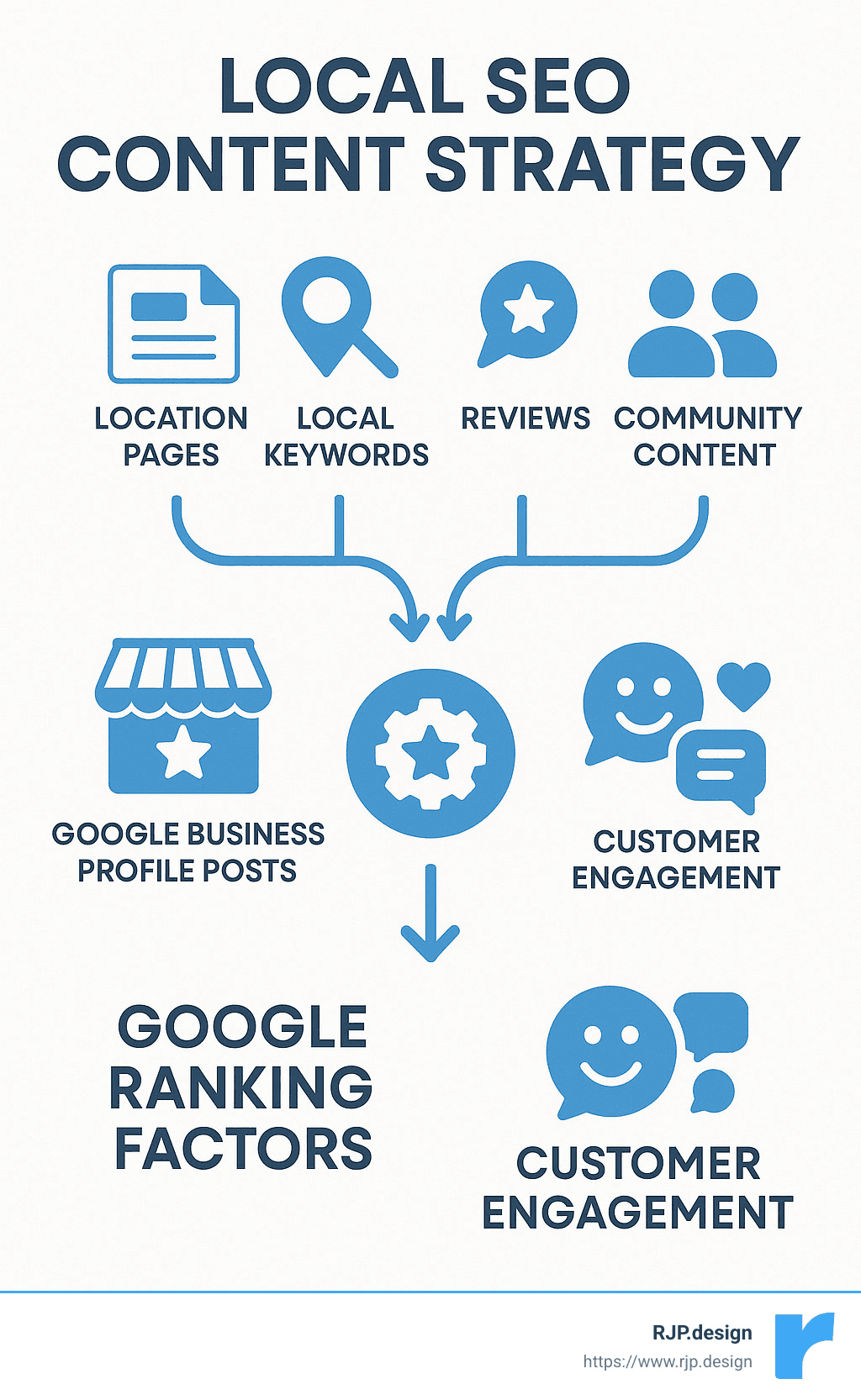
The foundation of any successful local search strategy starts with understanding what truly moves the needle. Creating location pages with unique, neighborhood‑specific content makes Google (and your potential customers) see you as genuinely local. Including your NAP (Name, Address, Phone) details consistently across these pages helps search engines confirm you’re exactly where you say you are.
Sprinkling local keywords throughout your content—especially in titles and headings—signals to search engines that you’re relevant to nearby searchers. Those “near me” phrases might seem simple, but they’re powerful triggers for local visibility.
Your Google Business Profile deserves special attention too. Regular posts with location‑specific updates keep your listing fresh and engaging. Meanwhile, customer reviews act as social proof that builds trust with both search engines and potential customers—especially when you take the time to respond thoughtfully.
Don’t forget about community content that highlights your local connections. Sharing stories about neighborhood events or local partnerships shows you’re truly part of the fabric of the community you serve.
Local SEO content strategy operates on different principles than general content marketing. The stats tell the story: a whopping 46% of all Google searches have local intent, and even more impressive, 76% of people who search for something locally on their phones visit a physical business within 24 hours. That’s an incredibly direct pipeline from online search to in‑person visits!
For most small businesses I work with, the struggle isn’t about creating just any content—it’s about creating the right content. Content that simultaneously signals to Google you’re relevant while showing potential customers you’re trustworthy and conveniently located.
I’m Ross Plumer, and I’ve had the privilege of helping businesses develop content for local SEO strategies that have driven over $20 million in revenue. My approach combines psychological insights with data‑driven analysis to create content that genuinely resonates with local audiences while boosting search visibility where it matters most.
Quick links to explore more about content for local seo:
What Is Local SEO and Why Content Matters
Local SEO helps your business appear in front of people searching for products or services in your area. It’s like putting up a digital billboard exactly where your potential customers are looking. Unlike traditional SEO that tries to reach everyone everywhere, local SEO focuses on connecting with people who can actually walk through your door.
Google decides which local businesses to show based on three main factors:
Proximity – Are you close enough to the person searching?
Relevance – Does your business offer what they’re looking for?
Prominence – Is your business trusted and well-known?
Here’s the thing many business owners miss: content for local SEO plays a huge role in the last two factors. Google themselves confirm this: “Your position in web results is also a factor, so SEO best practices also apply to local search optimization.”
Local SEO | Traditional SEO |
|---|---|
Targets specific geographic areas | Targets broader audiences |
Focuses on Map Pack and local results | Focuses on organic blue links |
NAP consistency is critical | Domain authority is critical |
Reviews directly impact rankings | Backlinks have more weight |
Mobile optimization is essential | Desktop still matters significantly |
Content needs local “scent” | Content focuses on topical depth |
The numbers tell a compelling story. A whopping 82% of smartphone users conduct “near me” searches, and 28% of these searches turn into actual purchases. That’s not just traffic—that’s people ready to buy. When your content for local SEO hits the mark, you’re catching customers at the perfect moment—when they’re actively looking to spend money.
As Aaron Weiche, a respected voice in local search, puts it: “Local SEO content is designed to match local queries with the content and tools that will drive footsteps into your store. It’s the bridge between online findy and offline conversion.”
Content as a Core Ranking Signal
In 2022, Google rolled out their Helpful Content System (and they keep tweaking it). This was a game-changer for local businesses. The system rewards content that shows what Google calls E-E-A-T: Experience, Expertise, Authoritativeness, and Trustworthiness.
For your local business, this translates to:
Experience: Show that you’ve actually done the work—share stories about local projects or how you’ve solved problems for neighbors.
Expertise: Demonstrate that you know your stuff—explain processes or offer tips that only a professional would know.
Authoritativeness: Become the go-to resource in your community—get mentioned by local news or participate in community events.
Trustworthiness: Build credibility through transparency and consistency—be honest about your services and respond to all reviews, good or bad.
Speaking of reviews—they’ve become incredibly powerful signals. As one expert from Moz’s Local Search Ranking Factors panel noted: “Reviews (along with an owner’s response) show that consumers trust a business, and trust is a foundational factor in ranking.”
The content that keeps visitors engaged—the pages they click on, spend time reading, and interact with—sends strong signals to Google about your relevance to local searchers. This is why creating genuinely helpful, locally‑focused content for local SEO isn’t just a nice‑to‑have anymore. It’s essential if you want your business to survive and thrive in your community.
Creating this kind of content might seem overwhelming, but we’ve helped dozens of local businesses get it right. The key is starting with what you know best: your business, your customers, and your neighborhood.
Building a Content for Local SEO Strategy
Creating an effective content for local SEO strategy begins with thorough planning. Much like planting a garden, you need to prepare the soil before you can expect anything to grow.
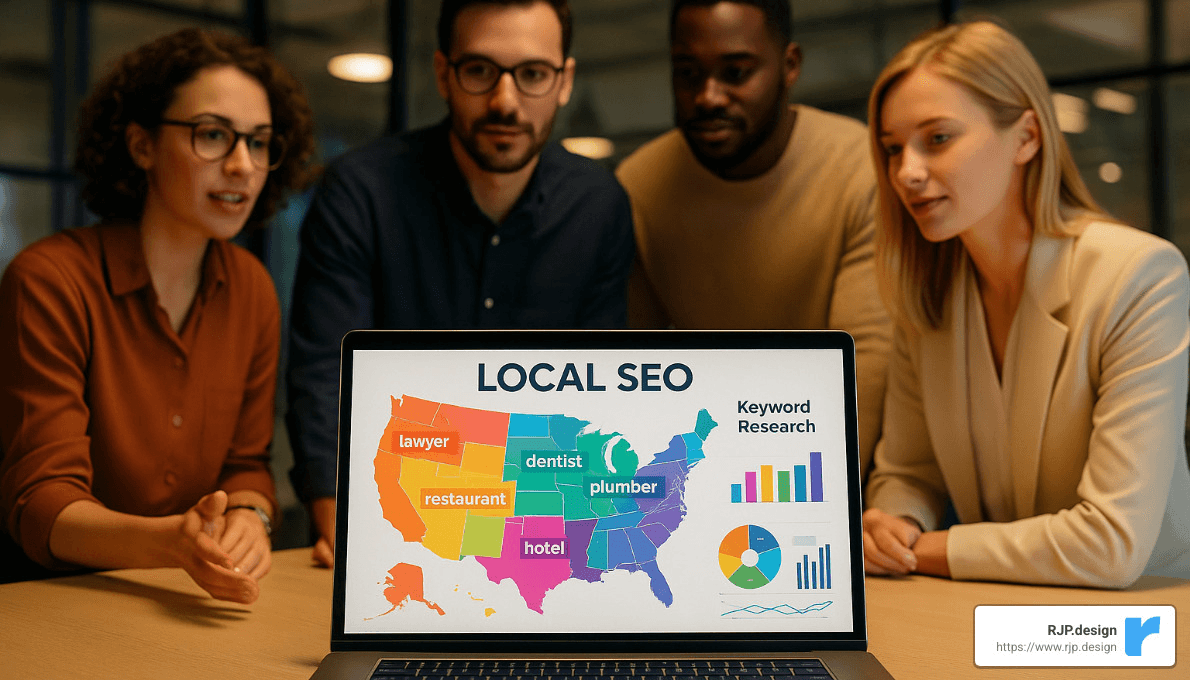
The foundation of any successful local content strategy isn’t rocket science, but it does require understanding your customers on a human level. Think about it – when someone pulls out their phone to search for a business like yours, what’s going through their mind? What words are they typing? What questions do they need answered?
Miriam Ellis puts it perfectly: “Content is the foundation of digital marketing success, no matter the channel on which that content appears.” But here’s the thing – authenticity matters more than polish. Real, honest answers to genuine questions will often outperform the slickest marketing copy money can buy.
Before diving into keyword tools and analytics, grab a coffee and ask yourself these fundamental questions:
What are the questions your customers ask when they walk through your door? Those same questions are being typed into Google right now by potential new customers. What makes your neighborhood or service area unique? Those local quirks and characteristics should flavor your content. And what customer stories could you share that would resonate with others in your community?
Local Keyword Research Process
Local keyword research is like becoming a mind-reader for your neighbors. What terms are they using when looking for businesses like yours? Here’s how to figure it out:
Start with your core services – these are your seed keywords. Then, make them local by adding geo-modifiers. This isn’t just city names (though “plumber in Phoenix” is a classic example). Think neighborhoods (“Buckhead dentist”), “near me” phrases that mobile searchers love, and even local landmarks (“hotel near Central Park”).
The tools at your disposal are more powerful than you might think. Google’s autocomplete feature is basically showing you what other locals are searching for in real-time. Google Trends lets you filter by geography to see what’s hot in your area. And yes, good old Google Keyword Planner still provides valuable search volume ranges to guide your efforts.
Don’t forget the growing importance of voice search! These queries tend to be conversational and longer – “where can I find the best Italian restaurant in Brooklyn Heights?” versus the typed “best Italian Brooklyn Heights.” Capturing these natural-language phrases can put you leagues ahead of competitors.
I love this story from a suburban plumber client: “We created a page about the local sewage system history and common condo plumbing issues in our area. It ranks for dozens of searches we never even thought about targeting, bringing in qualified leads who already understand their specific problem.” That’s the power of truly local content – it connects with people who have specific local concerns.
Mapping Content to the Buyer Journey
Not all content serves the same purpose, and understanding this can transform your local SEO strategy. Think of your content as a friendly guide that walks alongside potential customers from their first curious search to the moment they decide to visit your business.
At the top of the funnel, when people are just becoming aware of a need, they respond best to helpful, educational content. Blog posts about local issues relevant to your business, neighborhood guides that position you as a local expert, or videos explaining common problems your business solves – these all build awareness and trust.
As they move into the consideration phase, they need more specific information. This is where your service area pages shine, along with comparison content that helps them understand options, and FAQ pages that answer their growing list of questions. Case studies featuring local customers are gold at this stage – nothing convinces like seeing someone just like you who had a great experience.
When they reach the decision stage, they need that final push. Location-specific landing pages that speak directly to their neighborhood, special offers for local customers, and testimonials from people they might actually know in the community can seal the deal. And don’t forget to optimize for those crucial “near me” searches that indicate high buying intent.
As Aaron Weiche wisely notes, “If customers are asking you the same questions over and over again offline, they probably have the same questions online as well—and may even type these questions directly into a search engine.”
80% of searchers skip right past those paid ads and dive into organic results. This makes your content for local SEO strategy not just important but essential. When you create content that truly serves your local community’s needs at each stage of their journey, you’re not just optimizing for search engines – you’re building relationships with real people who could soon be walking through your door.
Creating High-Impact Location Pages
Location pages are the cornerstone of any successful content for local SEO strategy. These dedicated pages serve as virtual storefronts for each area you serve, whether you have physical locations or provide service to specific regions.
When you create a location page that truly connects with your local audience, you’re not just checking a box for SEO—you’re building a digital welcome mat for potential customers. A well-crafted location page should immediately answer the “where are you?” and “how can you help me?” questions that visitors have.
Your location page needs several key elements to be effective. First, make sure your title and H1 include both your service and location (something like “Professional Plumbing Services in Marietta, GA”). This immediately tells both Google and visitors exactly what you offer and where.
Always display your NAP information (Name, Address, Phone) prominently on the page. This might seem basic, but consistency here is crucial—make sure this information matches exactly what appears on your Google Business Profile and other directories.
An embedded Google Map does double duty: it helps visitors visualize your location and provides a quick way to get directions. This simple addition can significantly improve user experience, especially for mobile users ready to visit.
The heart of your location page should be unique, locally-relevant content. As one local business owner told me, “When we started talking about the specific challenges homeowners face in our coastal climate, our engagement skyrocketed.” People connect with content that feels like it was written specifically for their community.
Including testimonials from local customers adds powerful social proof. When potential customers see that their neighbors trust you, they’re more likely to do the same. Similarly, location-specific offers custom to local needs show that you understand the community you serve.
Don’t underestimate the power of good photos of your location. Both exterior and interior images help customers recognize your business and feel comfortable visiting. One restaurant owner shared that adding street-view photos with landmarks visible increased walk-in traffic by 22%.
Finally, including directions from major landmarks with local reference points adds that authentic local touch that both users and search engines appreciate.
Avoiding Doorway Pages & Duplication
Google has made it clear that doorway pages—those created solely to rank for similar search queries—are considered spam. The challenge for multi-location businesses is creating location pages that are genuinely useful rather than thin duplicates.
The key is creating authentically unique content for each location. Aim for at least 50% unique content on each page. This isn’t about just swapping out city names; it’s about infusing each page with local character or what SEO pros call local “scent.”
Add references to neighborhood landmarks, local events, or community-specific challenges your business addresses. A dentist in Portland might mention how the city’s famous rainy weather affects dental health, while their Seattle page could discuss the local coffee culture’s impact on tooth staining.
Be honest about your service areas. Creating pages for locations you don’t actually serve might seem like a good short-term strategy, but it ultimately damages user trust and can trigger Google penalties. As one business owner learned the hard way, “We thought more location pages meant more traffic, but when Google figured out we weren’t really serving those areas, our rankings tanked across the board.”
Proper internal linking between your location pages and main service pages helps both users and search engines understand your business structure. This isn’t just good for SEO—it helps real people steer your site more effectively.
Remember to implement LocalBusiness schema markup on each location page. This structured data helps search engines better understand your business information and can improve how your business appears in search results.
On-Page Optimization Essentials
The technical aspects of your location pages matter just as much as the content. Start with a compelling title tag that includes your primary service and location. Keep it under 60 characters and consider using the “cliffhanger” technique—intentionally cutting off at the character limit to entice clicks.
Your meta description is essentially your 150-160 character elevator pitch. Make it count by including your location and a clear call to action. One plumbing company saw their click-through rate double after changing their meta description from a service list to a conversational “We’ll fix your leaky pipes in [City] within 2 hours or your service call is free.”
Create a logical URL structure that reinforces your location focus, such as yourdomain.com/locations/city-name/ or yourdomain.com/services/service-name-city-name/.
Place your geo-modified keyword in the H1 heading and use H2s and H3s for subsections about specific neighborhoods or services. This hierarchical structure helps both readers and search engines understand your content organization.
Don’t forget image optimization—add alt text with location keywords to all images (e.g., “plumber fixing sink in Atlanta home”). This improves accessibility while also giving search engines more context about your content.
With 76% of local searches happening on mobile devices, mobile optimization is non-negotiable. Ensure fast loading times and touch-friendly navigation. One second of delay in mobile load time can reduce conversions by up to 20%.
Finally, create a web of internal links connecting your location pages to relevant blog posts and service pages using geo-specific anchor text. This helps distribute page authority throughout your site while creating a more intuitive user experience.
By thoughtfully crafting your location pages with both users and search engines in mind, you’ll create digital storefronts that truly represent your business in each community you serve.
Leveraging Community-Driven Content & Reviews
Creating content for local SEO that showcases your community connections isn’t just good business—it’s the secret sauce that helps you build authentic trust with both Google and your potential customers. When you demonstrate genuine local expertise and investment in your area, people notice…and so do search engines.
Think about the ways you can weave your local story into your content. Maybe you sponsored the little league team or participated in the annual food drive. These stories matter! A hardware store chain with 250 locations saw their organic traffic jump by a whopping 81% after adding simple local event calendars to each location page. Why? Because they positioned themselves as neighborhood hubs, not just places to buy hammers.
Your community-driven content doesn’t need to be complicated. Blog posts about local events you’ve attended, neighborhood guides highlighting hidden gems, partnerships with local charities, or Q&A sessions addressing area-specific concerns all signal to Google that you’re truly embedded in the community you serve.
User-generated content can be particularly powerful. When local customers share their photos or stories on your platforms, it creates an authentic connection that’s hard to fake. These real voices from real neighbors carry weight with both search algorithms and potential customers who are trying to decide if they can trust you.
Customer Reviews as SEO Fuel
Let’s be honest—reviews might be the most valuable content you never have to write yourself. Recent research shows that 96% of consumers read local business reviews before making decisions. That’s huge! And positive review sentiment doesn’t just influence customers; it significantly impacts your local SEO rankings too.
“Good reviews positively influence local SEO because they build customer trust,” explains local search expert Joy Hawkins. “And trust is a foundational factor in ranking.”
The good news? More than half of your customers will leave a review if you simply ask them. That makes review acquisition one of your highest-ROI activities. Set up a simple system—maybe it’s review request cards at checkout, follow-up emails with direct links, or text messages using review management software. Whatever works for your business flow.
Don’t just collect reviews though—respond to them! Taking time to personally acknowledge both the glowing five-stars and the occasional grumpy one-star shows everyone that you’re engaged and responsive. Feature these reviews strategically on your website and implement review schema markup to help search engines understand (and potentially display) your star ratings in search results.
Want to take your review strategy to the next level? Learn more about our Local SEO Services and see how we can help streamline this process for busy business owners.
Case Studies & Success Stories
There’s something uniquely powerful about a well-told success story, especially for service-based businesses where your work isn’t immediately visible. Case studies combine compelling storytelling with concrete proof of your expertise—and when they include local elements, they become SEO gold.
“Case studies are often the content that resonates the most with neighbors.” – David Mihm
The best local case studies don’t just showcase your work; they ground it in place. Mention the specific neighborhood where you completed the project. Include before-and-after details that demonstrate real change. Feature authentic quotes from local customers who sound like real people (because they are!). Explain any area-specific challenges you overcame—maybe the historic district restrictions or the unique soil conditions in that part of town.
And don’t forget visuals! Photos or videos that include recognizable local landmarks help potential customers see themselves in the story. One solutions firm boosted a dental client’s organic visibility by 300% by creating neighborhood-specific case studies addressing common dental issues in different parts of their city. These case studies ranked for super-specific long-tail keywords like “fixing cracked molars in [neighborhood name]” that competitors weren’t even thinking about.
When done right, these local success stories don’t just improve your SEO—they convert browsers into buyers by showing rather than telling what makes your business the right choice for their specific location.
Technical Improvements: Schema, Media & Internal Links
While creating great content is essential, technical optimization can significantly amplify your local SEO efforts. Structured data, media optimization, and strategic internal linking work together to help search engines better understand and rank your local content.
Implement Local Business Schema
Schema markup is like giving search engines a cheat sheet about your business. For local businesses, LocalBusiness schema (or its more specific subtypes like Restaurant or MedicalClinic) tells Google exactly who you are and where you’re located.
This powerful code lets you specify all your critical business information: your name, address, phone number, exact coordinates, when you’re open, where you provide service, what payment methods you accept, and even your price range. It’s essentially a digital business card that search engines can easily read.
Most experts recommend using JSON-LD format, which gets tucked neatly into the <head> section of your HTML. It might look technical, but you don’t need to be a coding wizard to implement it. Google’s Structured Data Markup Helper or various schema generators can create this code for you without writing a single line from scratch.
Once you’ve added schema to your site, always validate it using Google’s Rich Results Test tool to make sure everything’s working properly. According to research from Moz, proper schema implementation can significantly boost your click-through rates by earning those eye-catching rich results in search.
Want to dive deeper? Learn more about structured data implementation to maximize your local visibility and give search engines the exact information they need to showcase your business.
Video & Image Optimization for Local Reach
Visual content has become incredibly important for local SEO, with Google images now taking up to 36% of mobile screen space in search results. Optimizing your photos and videos isn’t just nice to have—it’s essential for driving local traffic.
When it comes to images, ditch the stock photos. Original, high-quality photos of your actual business, team, and projects can increase customer trust dramatically. In fact, 90% of people say they’re more likely to choose businesses with custom imagery, and one study showed a 15% jump in bookings after a business switched from generic stock photos to their own images.
Give your images locally-relevant file names like “plumber-fixing-sink-atlanta-ga.jpg” instead of generic “IMG12345.jpg.” Add geo-specific alt text that both describes the image and includes your location. For businesses with multiple locations, consider creating neighborhood-specific image collections that showcase your work in different areas.
Video content is equally powerful for content for local SEO. Create location-specific videos like virtual tours of your facility, customer testimonials from local clients, or project walkthroughs in specific neighborhoods. Make sure to optimize titles and descriptions with location keywords, and always add captions or transcripts to make your videos fully searchable.
One plumbing service we worked with saw a remarkable 72% increase in organic traffic after adding neighborhood-specific video testimonials with full transcripts to their location pages. Want similar results? Learn more about Mastering Local SEO with Video to implement this strategy for your business.
Internal Link Architecture
Think of your internal linking structure as the roadmap to your website—both for visitors and search engines. For local businesses, your internal links should naturally guide people toward your location pages and locally-relevant content.
Creating a logical site hierarchy is the foundation. Organize your content by service type and location, making it intuitive for both humans and search engines to steer. When linking between pages, use descriptive, geo-specific anchor text instead of generic “click here” links. For example, “plumbing services in Atlanta” tells both users and search engines exactly what to expect.
Your homepage and main service pages carry the most authority, so make sure they link directly to your location pages. Breadcrumb navigation helps users understand where they are within your site structure, while content silos group related content by location and create a natural linking pattern.
“Internal links are super critical,” explains SEO expert Cyrus Shepard. “They’re how Google finds your pages, how Google understands the relationship between your pages, and how link equity flows throughout your site.”
We’ve seen the power of this approach firsthand. One digital agency we worked with achieved a 400% increase in conversions by reorganizing their client’s internal linking structure to prioritize location pages and using geo-specific anchor text throughout the site.
A well-planned internal linking strategy isn’t just good for SEO—it creates a better user experience by helping visitors find exactly what they’re looking for, whether they’re on desktop or mobile devices.
Promotion & Local Backlink Acquisition
Creating great content for local SEO is only half the battle—you also need to promote it and acquire high-quality local backlinks to establish your authority in the community. These local connections aren’t just digital handshakes; they’re powerful signals to Google that your business is a trusted, established part of the local ecosystem.

Building Local Backlinks
When it comes to local link building, relevance often trumps domain authority. A link from a well-respected neighborhood blog might carry more local SEO weight than one from a national website with little local connection.
Your community connections are gold mines for backlink opportunities. The Chamber of Commerce and local business associations typically provide member directories with valuable links back to your site. These aren’t just any links—they’re endorsements from established community organizations.
Local sponsorships create natural backlink opportunities while demonstrating your commitment to the community. Whether you’re supporting the little league team or sponsoring a charity run, these activities often include sponsor recognition on event websites.
“Best of” lists and community resource pages are perfect platforms for your business to shine. These local guides are frequently searched by residents looking for trusted businesses, making them doubly valuable for both backlinks and direct traffic.
Partnerships with complementary local businesses can create win-win situations. A plumber might partner with an electrician for cross-promotion, with each business linking to the other on their “trusted partners” page.
A local agency I worked with used the Link Intersect technique to identify directories where competitors were listed but their client wasn’t. This systematic approach to filling citation gaps improved their client’s keyword visibility by an impressive 900% over just six months.
When reaching out for backlinks, your connection to the community should be the focal point of your pitch. As one expert puts it: “Personalized outreach is more effective for local link building than generic mass emails.” The person on the other end of that email isn’t just a link opportunity—they’re your neighbor.
NAP Citations & Consistency Checks
NAP (Name, Address, Phone number) citations might seem like simple business listings, but they’re foundational elements of local SEO success. Think of them as digital breadcrumbs that help both customers and search engines find your business.
“NAPs are HUGE,” emphasizes local SEO expert Brian Dean. “This kind of thing won’t stop the mailman from delivering your Amazon package—but it’s a confusing signal for Google.”
Consistency across these citations is absolutely crucial. When Google sees different versions of your business information across the web, it creates uncertainty about which information is correct. This uncertainty can significantly impact your local search visibility.
Start with a thorough citation audit to identify where your business is currently listed and check for any inconsistencies. You’d be surprised how often businesses find outdated addresses, old phone numbers, or slight variations in their business name scattered across the internet.
Once you’ve identified inconsistencies, systematically correct them across all platforms. This can be tedious work, but it’s essential for local SEO health. Even small differences like using “Street” versus “St.” or “Suite” versus “#” can create confusion.
Building new citations is equally important. Focus on a mix of general directories (Google Business Profile, Yelp), industry-specific directories, and local platforms. Each citation strengthens your local digital footprint.
For multi-location businesses, maintaining accurate citations becomes even more critical. I recently worked with a restaurant chain with 30 locations that saw a 155% increase in organic traffic after conducting a comprehensive citation cleanup campaign. The conversion increase was even more impressive—a whopping 723%!
The work doesn’t end once your citations are clean. Set up a monitoring system to catch unauthorized changes or identify new platforms where your business should be listed. Citation management is an ongoing process, not a one-time task.
Learn more about Google Maps Optimization to ensure your business appears correctly in local map results and makes the best possible impression on potential customers searching in your area.
Measuring and Iterating Your Content for Local SEO
Creating content for local SEO isn’t a “set it and forget it” process. The businesses that truly succeed in local search are constantly measuring results, learning from the data, and refining their approach. Without this feedback loop, you’re essentially operating in the dark – unsure if your efforts are paying off or falling flat.
Key Metrics to Track
When it comes to tracking the success of your local content strategy, not all metrics are created equal. While overall traffic is nice, it doesn’t tell you if you’re reaching the right local customers.
Start by monitoring your local organic traffic – these are the visitors coming from your target service areas. This metric tells you if your content is resonating with the people who could actually walk through your door.
Your Map Pack positions deserve special attention too. Appearing in that coveted local 3‑pack can make or break a local business, so track your ranking for key local terms. One of our clients saw a 67% increase in calls after moving from position 4 (below the Map Pack) to position 2 within it.
Don’t just count visitors – measure what they do. Conversion rates by location help you understand if certain neighborhoods or areas respond better to your messaging. I once worked with a pizza shop that found customers from the eastern part of town converted at twice the rate of western visitors, leading them to adjust their delivery radius and marketing focus.
Your Google Business Profile insights are gold mines of local data. Views, actions, direction requests – these metrics directly reflect your local visibility and interest. Pay particular attention to the “how customers search for your business” section to understand if you’re being found more through branded or non‑branded searches.
Review velocity and sentiment might be my favorite metrics to track. Not only do they influence rankings, but they provide real feedback from real customers. When you see patterns in reviews (good or bad), you gain insights no analytics tool can provide.
Other critical metrics include your local keyword rankings, backlink growth from relevant local sources, citation accuracy across the web, direct phone calls and direction requests, and page‑specific engagement metrics like time on page and bounce rate.
Google Search Console is particularly valuable for local businesses because it shows exactly which queries are bringing people to your site. One landscaper I worked with found they were ranking for “native plant installation” terms they hadn’t specifically targeted – allowing them to create more content around this profitable service.
The ROI potential here is significant. According to recent survey data, 49% of businesses identify local organic search as their best marketing channel for return on investment. When you can track these metrics effectively, you can prove the value of your content for local SEO efforts.
Continuous Improvement Cycle
Local SEO isn’t something you “complete” – it’s an ongoing process that requires consistent attention. Think of it as tending a garden rather than building a structure.
Every 6‑12 months, conduct thorough content audits of your location pages and local content. Are addresses still accurate? Have services changed? Is the content still relevant? One restaurant client found during an audit that their location page still mentioned a lunch special they’d discontinued two years earlier!
Don’t forget about seasonal updates. Your content should reflect the changing needs of your customers throughout the year. A roofing company might emphasize ice dam prevention in winter and storm damage repair in summer. These timely adjustments show both Google and customers that your content is current and relevant.
Competitor monitoring is crucial in local markets. When a competing dentist adds a new service page about Invisalign with before‑and‑after photos from local patients, you need to know about it and consider how to respond. Local SEO is often a relative game – you don’t need to be perfect, just better than the local competition.
Keep your content fresh by regularly adding new local content like blog posts about community events, case studies featuring local customers, or media coverage of your business. This signals to search engines that you’re an active, engaged local business.
Make sure you’re keeping up with review response updates – responding promptly and thoughtfully to every new review. One study found businesses that respond to reviews earn 35% more revenue on average compared to those that don’t.
As new schema improvements become available, implement them on your site. Structured data options evolve constantly, and staying current gives you an edge over less technically‑savvy competitors.
Finally, stay informed about local algorithm adjustments. Google frequently updates how it ranks local businesses, and adapting quickly can give you a significant advantage. When Google increased the importance of proximity in 2021, businesses that quickly adjusted their content strategy to emphasize neighborhood‑specific pages often saw ranking improvements.
A dental practice I worked with implemented this continuous improvement cycle religiously. Over six months, they moved from page 3 to the top of page 1 for “dentist near me” searches, resulting in a 300% increase in new patient inquiries. They didn’t do anything fancy—they just committed to the process of regular measurement and refinement.
Local search patterns evolve based on new businesses entering your market, shifting consumer behaviors, and Google’s ever‑changing algorithms. As one of my favorite local SEO experts puts it, “At least semi‑annually, review and update your local keyword strategy to keep up with changing local search trends.”
At RJP.design, we help clients implement these measurement and improvement systems to ensure their content for local SEO continues to deliver results month after month, year after year. Learn more about Google Search Optimization to see how we can help your business grow through strategic local content.
Frequently Asked Questions about Content for Local SEO
How many words should a location page have?
When it comes to word count for location pages, there’s no magic number that guarantees success. While most effective location pages typically fall between 500-1,000 words, what truly matters is the quality and relevance of what you’re saying, not how much you’re saying.
Think about it this way: your location page should be comprehensive enough to answer all the questions a potential customer might have before visiting your business. The content should feel natural and helpful, not like you’re stuffing words just to hit a certain count.
Focus on including the elements that actually matter to both search engines and real humans:
Your complete NAP information presented clearly and consistently, detailed service descriptions that are custom to that specific location (not generic copy-paste content), unique insights about the local area that demonstrate your community knowledge, authentic testimonials from customers in that area, and clear directions on what visitors should do next.
Google’s own documentation emphasizes this quality-first approach: “Provide complete and detailed business information to help customers understand your business and to improve your search visibility.” Notice they don’t mention a specific word count—because it’s the substance that counts.
Is duplicate content across city pages penalized?
This is one of the most common concerns for multi-location businesses, and the answer requires some nuance. While Google has confirmed there’s no specific “duplicate content penalty” that will tank your rankings, pages with substantial duplicate content often get filtered out of search results or consolidated during indexing. The practical effect? Reduced visibility for your location-specific searches—which defeats the entire purpose of having those pages.
For businesses serving multiple areas, aim to make at least 50% of each location page unique. This isn’t as difficult as it might sound if you truly know the areas you serve. Consider customizing elements like:
The specific services that are most popular in that location, introducing the local team members who serve that area, showcasing case studies from projects completed nearby, including neighborhood-specific information that demonstrates local knowledge, highlighting any special promotions or services unique to that location, and providing custom directions that reference local landmarks.
One multi-location accounting firm saw a remarkable 72% improvement in organic traffic after they stopped using templated content and instead created genuinely unique pages for each office location. The pages weren’t just different for the sake of being different—they actually provided location-specific value that resonated with local searchers.
How often should I post on Google Business Profile?
Consistency matters more than frequency when it comes to Google Business Profile posts. While there’s no required posting schedule, regular updates signal to both Google and potential customers that your business is active and engaged. Most successful local businesses find that posting at least weekly strikes a good balance between staying visible without overwhelming their team’s resources.
Content for local SEO on your Google Business Profile should be varied and strategic. Mix up your post types to keep your profile engaging:
What’s New posts give you a chance to share general updates about your business, though keep in mind they only display for 7 days. Event posts are perfect for promoting workshops, sales, or community involvement with clear start and end dates. Offer posts highlight special deals or promotions and automatically expire after the end date you set. Product posts showcase specific services or items you offer and remain visible indefinitely.
Whatever you post, make sure it includes a high-quality image that represents your business well, concise text that gets right to the point (staying under Google’s 1,500 character limit), location-relevant information whenever possible, and a clear call to action that tells customers exactly what you want them to do next.
The real-world impact of this consistency can be significant. A tax preparation service that committed to posting weekly location-specific tax tips during tax season saw a 28% increase in direction requests compared to the previous year. Those direction requests often translate directly to in-person visits—the ultimate goal of any local SEO strategy.
Your Google Business Profile serves as a mini-website right in the search results, and for many local searches, it might be the first (or only) impression potential customers get of your business. Make those posts count!
Conclusion
Creating effective content for local SEO is both an art and a science. It requires understanding your local audience, crafting content that meets their needs, and optimizing that content for both users and search engines. The businesses that succeed in local search are those that genuinely connect with their communities through authentic, helpful content.
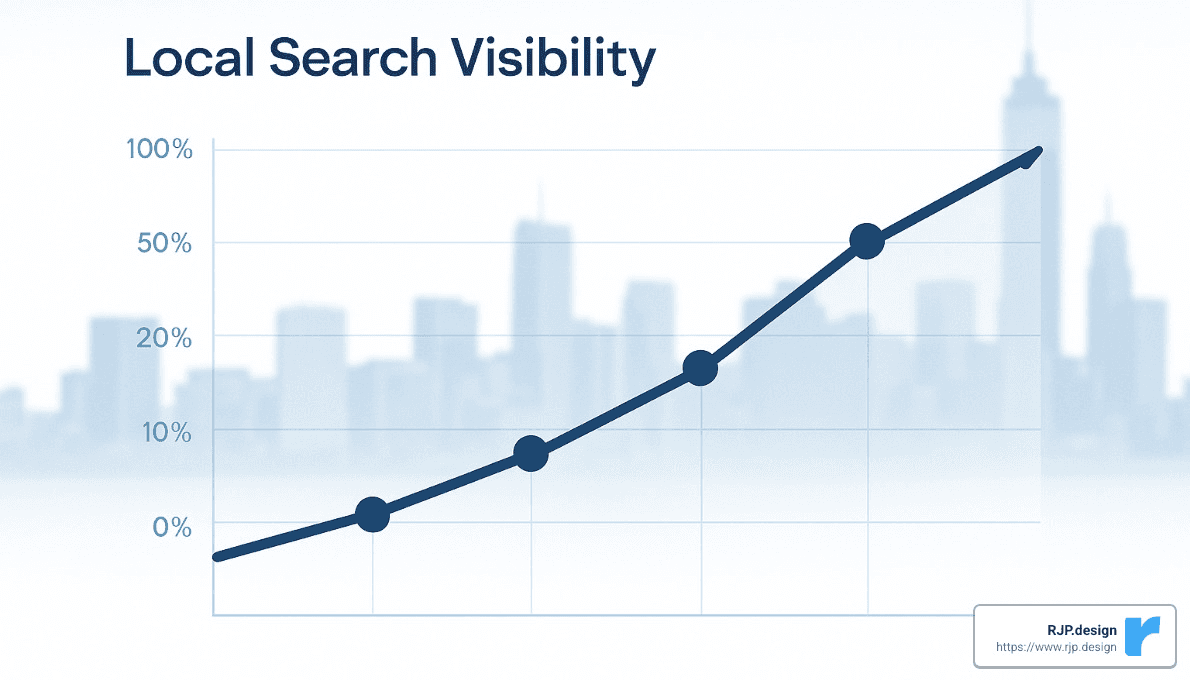
When you look at the most successful local businesses online, they’re not just checking SEO boxes. They’re telling their community’s story, solving local problems, and creating genuine connections that translate into foot traffic and phone calls.
Building a solid foundation starts with understanding what your neighbors are actually searching for. Those geo-modified keywords and “near me” searches reveal exactly what your community needs – and give you the roadmap to meet them there with helpful content.
Your high-impact location pages shouldn’t feel like clones with different city names plugged in. Each area you serve has its own personality, challenges, and quirks. When you create pages that genuinely reflect these differences, both Google and your customers notice.
The businesses that truly excel don’t just talk about community – they’re active participants in it. Leveraging community connections through events, partnerships, and locally-focused content shows you’re not just a business with a local address – you’re a true local business.
Behind the scenes, technical optimizations like proper schema markup, optimized images, and strategic internal linking help search engines understand exactly who and where you serve. These invisible improvements often make the visible difference in search results.
Building authority in your community happens both online and offline. Acquiring local backlinks and citations from neighborhood organizations, local news outlets, and community partners sends powerful signals about your relevance and trustworthiness.
Finally, the most successful local businesses know that SEO isn’t a “set it and forget it” proposition. They measure and iterate their strategy based on real performance data, constantly refining their approach as the market and algorithms evolve.
At RJP.design, our down-to-earth team specializes in creating websites and enhancing online presence for local businesses. We believe that effective local SEO isn’t about tricks or shortcuts—it’s about creating genuine value for your community and communicating that value effectively online.
The local search landscape continues to evolve, but the fundamentals remain constant: businesses that demonstrate expertise, authority, and trustworthiness in their communities will outperform those that don’t. By implementing the strategies in this guide, you’ll be well on your way to local search success.
Ready to take your local SEO to the next level? Learn more about our Google Search Optimization services and find how we can help your business connect with more local customers.