Marketing
The Ultimate Guide to Digital Marketing Solutions
Jun 26, 2025
Digital Marketing Solutions: 10 Powerful Success Strategies 2025
Why Digital Marketing Solutions Are Essential for Modern Business Success
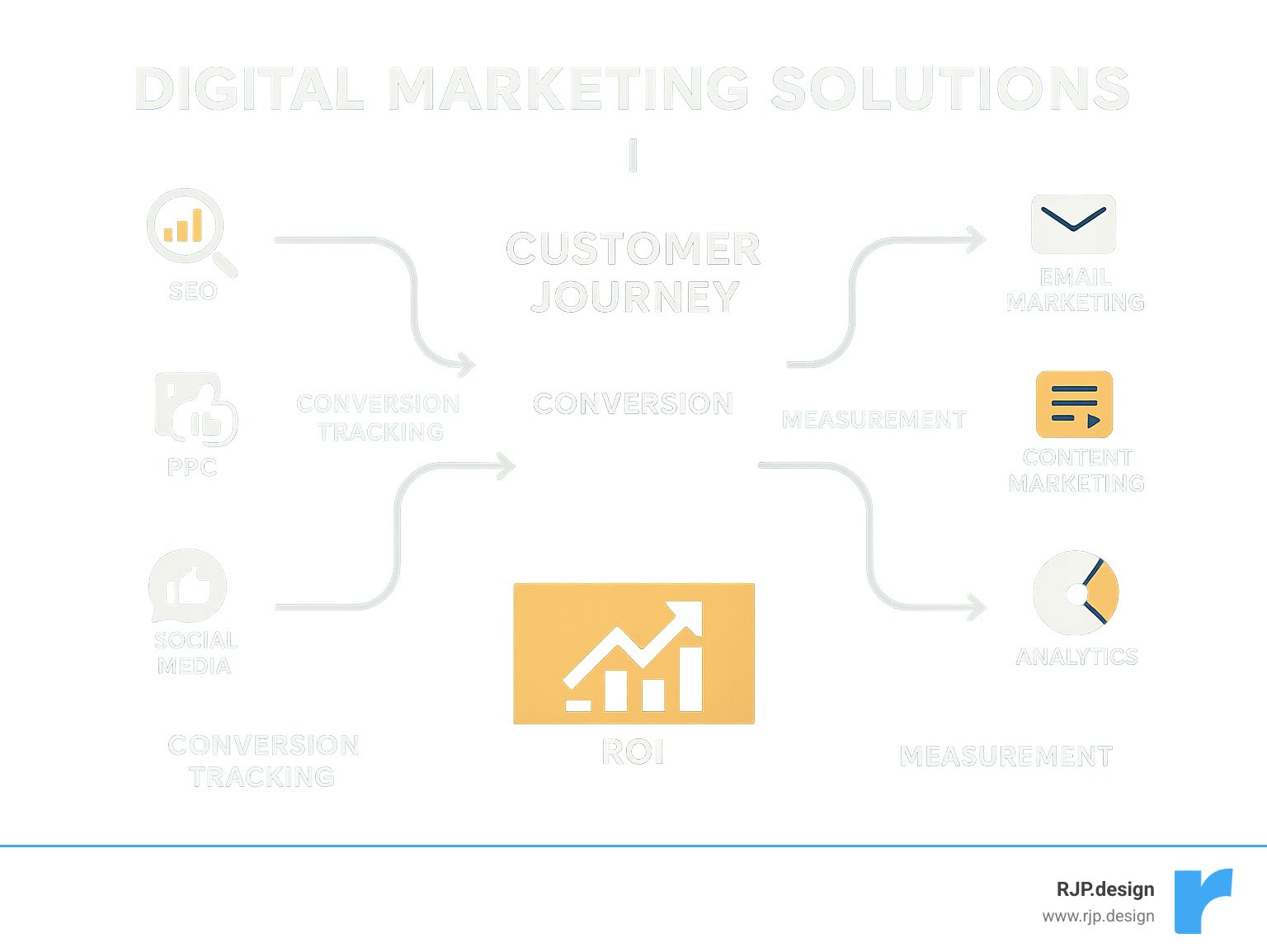
Digital marketing solutions are integrated strategies and tools that help businesses reach, engage, and convert customers across online channels. Here are the most effective digital marketing solutions for businesses today:
Core Digital Marketing Solutions:
– Search Engine Optimization (SEO) – Improve organic visibility and drive qualified traffic
– Pay-Per-Click (PPC) Advertising – Generate immediate leads through targeted ads
– Social Media Marketing – Build brand awareness and engage with customers
– Email Marketing – Nurture leads and retain customers with personalized messaging
– Content Marketing – Attract and educate prospects through valuable content
– Website Design & Optimization – Create user-friendly experiences that convert
– Analytics & Tracking – Measure performance and optimize campaigns
The digital landscape has fundamentally changed how businesses connect with customers. With 88% of consumers searching for local businesses online contacting them within 24 hours, having a strong digital presence isn’t optional anymore – it’s essential for survival.
Today’s consumers expect personalized experiences across multiple touchpoints. They research products online, compare prices, read reviews, and make purchasing decisions based on their digital interactions with brands. This shift means businesses need comprehensive digital marketing solutions that work together seamlessly.
I’m Ross Plumer, and I’ve helped businesses market over $20 million in revenue through strategic digital marketing solutions that integrate psychology and data-driven insights. My experience working with companies of all sizes has taught me that the most successful approaches combine multiple channels with continuous optimization based on real performance data.
Digital marketing solutions terms you need:
– ppc advertising solution
– web site marketing companies
– managed internet marketing services
Digital Marketing Solutions 101: Channels, Tools & Why They Matter
Think of digital marketing solutions as your business’s toolkit for connecting with customers online. Just like a carpenter needs different tools for different jobs, your business needs various digital channels working together to create something amazing.
The digital world moves fast, and it’s constantly changing. Voice search is becoming huge, AI is changing how we create content, and everyone expects websites to work perfectly on their phones. The businesses that thrive are the ones that accept this omnichannel approach instead of putting all their eggs in one basket.
At RJP.design, we’ve seen this change happen countless times. When we help businesses implement comprehensive Google Search Optimization strategies alongside other digital channels, the results speak for themselves. The whole becomes much greater than the sum of its parts.
Core Benefits of Digital Marketing Solutions
Digital marketing solutions are a game-changer for businesses. I’ve watched companies completely transform their growth trajectory, and it always comes down to these key advantages.
Better reach and targeting is probably the biggest win. Now you can reach exactly the people who are looking for what you offer. With 63% of consumers expecting personalized experiences, you can deliver messages that feel like they were written just for them.
Everything is measurable in digital marketing. You’ll know exactly how many people saw your content, clicked your links, and became customers. This transparency lets you make smart decisions based on real data, not hunches.
Scalability is incredible with digital channels. If something’s working great, you can double down immediately. If it’s not performing, you can pivot without losing your shirt.
Cost efficiency means small businesses can compete with the big players. Every dollar goes toward reaching people who might actually buy from you.
Deep Dive into Search & Content
Search and content marketing are like the foundation of your digital house. Google drives 94% of total organic traffic, so getting found in search isn’t optional anymore.
Understanding search starts with keywords, but it’s really about understanding your customers. What are they typing into Google when they have the problem you solve? The first position on Google gets about 35% of all clicks, which makes top rankings incredibly valuable.
The secret sauce is creating content that actually helps people. Google’s gotten really smart at spotting genuine, helpful content versus stuff that’s just trying to game the system.
Content strategy goes way beyond blog posts. You want to create helpful resources, case studies, and different types of content that speak to people at different stages.
For the latest insights on what’s working in SEO, check out the latest data on SEO from the experts who track these changes daily.
Paid & Social Acceleration
While organic strategies build long-term value, paid advertising and social media can put rocket fuel on your results.
Pay-per-click advertising gets you to the top of search results immediately. Research shows that 41% of clicks go to the top 3 paid ads, so you can start getting traffic while you’re building your organic presence.
Social media has evolved into a sophisticated marketing channel. You can target people based on their interests, behaviors, and demographics with scary precision.
Look-alike audiences let you find people similar to your best customers, while remarketing brings back visitors who didn’t buy the first time.
Social media marketing can increase conversion rates by up to 500% when you combine it with personalized website experiences.
Email, Automation & CRM Integration
Email marketing might seem old-school, but it’s actually one of the highest ROI channels when done right. Modern email marketing is like having a personal assistant that nurtures relationships while you sleep.
Smart segmentation means sending the right message to the right person at the right time. Automated drip campaigns do the heavy lifting of lead nurturing.
CRM integration ties everything together by giving you a complete picture of each customer’s relationship with your brand. When your email system talks to your customer database, you can create incredibly personalized experiences.
The beauty of all these digital marketing solutions working together is that they create a seamless experience for your customers while making your marketing efforts more effective and efficient.
Choosing the Right Digital Marketing Solutions for Your Business
Picking the perfect digital marketing solutions for your business feels a bit like choosing the right tools for a home renovation project. You wouldn’t use a sledgehammer to hang a picture frame, and you shouldn’t use the same marketing approach for every business situation.
The secret sauce isn’t trying to do everything at once. The smartest companies start with 2-3 core channels, master them completely, then gradually expand their digital footprint.
Understanding your buyer personas is where everything begins. A B2B software company targeting IT directors will have completely different needs than a local bakery trying to attract weekend customers.
Setting crystal-clear goals makes channel selection much easier. Want immediate leads? PPC advertising might be your best friend. Building long-term authority? SEO and content marketing are your marathon runners.
Here’s the reality check: budget and resources matter. It’s better to absolutely nail two marketing channels than to stumble through six.
Approach | Pros | Cons | Best For |
|---|---|---|---|
In-House Team | Full control, deep brand knowledge, dedicated focus | Higher overhead, skill gaps, slower scaling | Companies with sufficient budget and long-term commitment |
Agency Partnership | Expertise across channels, proven processes, faster results | Less control, potential communication gaps, ongoing costs | Businesses wanting comprehensive solutions without internal hiring |
Hybrid Model | Combines control with expertise, cost-effective, flexible | Requires coordination, potential conflicts | Companies with some internal capacity wanting specialized support |
Self-Managed vs Outsourced: Pros & Cons
The big question every business owner asks: should we handle digital marketing solutions ourselves or bring in outside help?
Building an in-house team gives you complete control over your marketing destiny. Your internal people know your products inside and out, understand your customers’ quirks, and can pivot quickly when opportunities pop up.
But building real digital marketing expertise internally costs more than most people expect. You’re not just paying salaries – you’re covering benefits, training, software subscriptions, and the learning curve mistakes.
Partnering with an experienced team brings immediate expertise to your business. Good partners have already made the expensive mistakes, figured out what works, and developed systems that deliver results faster.
At RJP.design, we’ve found that our straightforward approach and genuine focus on client success often delivers better results than businesses trying to build everything from scratch internally.
Local, National & Global Approaches
Your target market size completely changes which digital marketing solutions make the most sense.
Local businesses should put Google My Business optimization at the top of their priority list. Making sure your NAP information (Name, Address, Phone) stays consistent across every online directory is absolutely crucial for showing up in local searches.
National and global companies face different challenges entirely. What works perfectly in one region might fall completely flat in another. Cultural differences, language preferences, and platform popularity vary dramatically across markets.
Aligning Solutions With Overall Strategy
The most powerful digital marketing solutions don’t operate in isolation – they integrate seamlessly with your overall business strategy.
Your marketing metrics should connect directly to business outcomes that actually matter. Focus on measurements that impact revenue, customer acquisition costs, and lifetime value.
Cross-team collaboration makes or breaks digital marketing success. When marketing, sales, customer service, and product development teams work together, magic happens.
Smart businesses align their digital marketing with broader growth objectives from day one. Our comprehensive Business Website Solutions guide shows exactly how to create websites that support your bigger business goals.
Measuring Success: Data, Analytics & Optimization
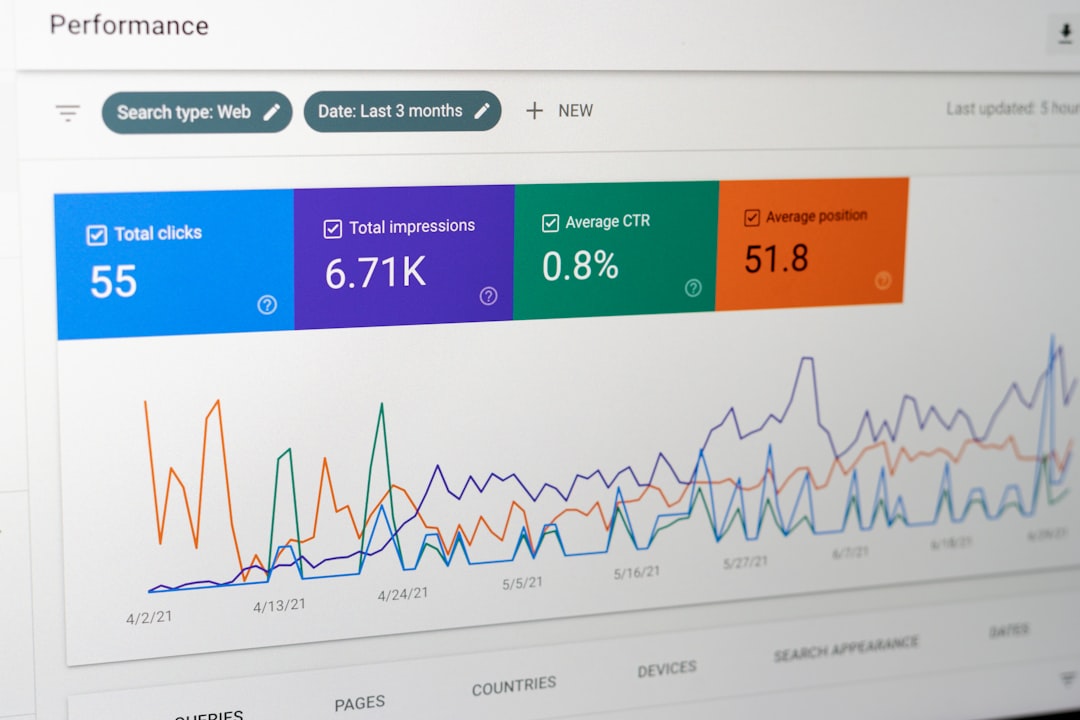
Here’s the truth about digital marketing solutions: if you can’t measure it, you can’t improve it. The difference between successful digital marketing and expensive guesswork comes down to having the right data and knowing what to do with it.
Think of analytics as your marketing GPS. Without it, you might eventually reach your destination, but you’ll waste a lot of time and gas getting there.
Traffic quality matters more than quantity. Getting 10,000 visitors who leave immediately isn’t nearly as valuable as 1,000 engaged visitors who actually care about what you offer.
Conversion rates show you how well your website turns visitors into customers. Customer acquisition cost tells you how much you’re spending to get each new customer, while return on ad spend shows you how much revenue each marketing dollar generates.
Lifetime value is the big picture metric that many businesses overlook. A customer who spends $100 once isn’t as valuable as someone who spends $50 every month for two years.
Modern analytics tools go way beyond counting website visits. Heat mapping shows you exactly where people click, scroll, and get stuck on your pages. We’ve helped clients increase their conversions by 35% just by fixing issues that heat maps revealed.
Setting Up Tracking & Attribution
Getting your tracking right from the start saves you months of headaches later. I’ve seen businesses launch expensive campaigns only to realize they can’t tell which ones are actually working.
UTM parameters are your secret weapon for understanding where your traffic comes from. These little code snippets tell you exactly which email, social post, or ad brought someone to your website.
Google Analytics 4 is the new standard, and it focuses on tracking customer journeys rather than just individual page visits. This gives you a much clearer picture of how people interact with your business over time.
First-party data is becoming more important as privacy regulations tighten and cookies disappear. This means collecting information directly from your customers through email signups, surveys, and account registrations.
Tag managers like Google Tag Manager make it easier to add and update tracking codes without bugging your developer every time.
Continuous Improvement Loop
The best digital marketing solutions get better over time through constant testing and refinement. Small improvements compound into significant results when you stick with the process.
A/B testing is where the real optimization magic happens. Test different headlines, button colors, email subject lines, and ad copy to see what your audience prefers. We’ve seen email open rates jump 40% just from changing a subject line.
Performance reviews should happen regularly but not obsessively. Weekly check-ins help you catch problems early, while monthly deep dives let you spot longer-term trends.
Scaling successful elements is often overlooked but incredibly powerful. When you find something that works well in one area, look for ways to apply that insight elsewhere.
Research from scientific studies on conversion optimization shows that systematic testing approaches consistently outperform gut-feeling decisions.
Optimization never really ends. The businesses that succeed long-term are the ones that accept this constant evolution rather than fighting it.
Emerging Trends & Innovations in Digital Marketing Solutions for 2024 +
The world of digital marketing solutions is changing faster than ever before. What worked perfectly last year might be outdated today, and what seems cutting-edge now could be standard practice by next month.
The businesses that succeed in 2024 and beyond will be those that balance innovation with proven strategies. You don’t need to abandon everything that’s working, but you do need to stay aware of where the industry is heading.
Artificial intelligence is no longer something from science fiction movies. It’s actively reshaping how we create content, understand customers, and optimize campaigns. Zero-click searches are changing the SEO game, and social commerce is turning Instagram posts into shopping experiences.
The Rise of AI-Powered Digital Marketing Solutions
Artificial intelligence isn’t just a buzzword anymore – it’s become a practical tool that’s changing digital marketing solutions in ways that actually matter to your bottom line.
Machine learning algorithms can now analyze customer behavior patterns that would take humans months to identify. These systems learn from every interaction, getting smarter about predicting what your customers want and when they want it.
Hyper-personalization has moved beyond just adding someone’s name to an email. AI can now customize entire website experiences in real-time based on how individual visitors behave.
Chatbots have evolved from those frustrating automated responses to genuinely helpful assistants. Modern AI chatbots can handle complex customer questions, qualify leads effectively, and even guide people through purchase decisions without feeling robotic.
Recommendation engines now power everything from email marketing to website product suggestions. These systems analyze purchase history, browsing behavior, and similar customer patterns to suggest exactly what each person is most likely to buy next.
Sustainability & Ethical Marketing
Today’s customers care about more than just products and prices. They want to support businesses that share their values, especially around environmental responsibility and social impact.
Green hosting and website optimization aren’t just good for the planet – they’re good for business. Faster-loading websites consume less energy while providing better user experiences.
Inclusive design makes your digital marketing solutions accessible to everyone, including people with disabilities. These improvements often make your site better for everyone.
Authentic storytelling has become crucial because customers can spot fake corporate messaging from a mile away. The businesses that connect best with their audiences are those sharing genuine stories about their values, challenges, and community involvement.
Preparing Your Stack for Tomorrow
Building digital marketing solutions that can adapt to future changes requires thinking beyond just what works today. You need systems that can grow and evolve with your business.
Modular tech stacks are replacing the old approach of trying to find one platform that does everything. Instead of being locked into a single vendor, successful businesses are choosing best-of-breed solutions for different functions and connecting them together.
API-first platforms make this integration possible. When your tools can share data seamlessly, you can create more sophisticated automation and get better insights into what’s actually driving results.
The goal isn’t to have the most complex tech stack possible. It’s to build systems that can adapt as your business grows and as new opportunities emerge.
Frequently Asked Questions about Digital Marketing Solutions
Let’s tackle the most common questions we hear from business owners exploring their options.
What do “digital marketing solutions” include?
When people ask about digital marketing solutions, they’re really asking: “What am I actually getting for my money?”
Think of digital marketing solutions as your complete online toolkit. At the heart, you’ve got your core channels like SEO to help people find you naturally, PPC advertising for immediate visibility, social media marketing to build relationships, email marketing to stay connected, and content marketing to establish your expertise.
The supporting infrastructure includes analytics platforms that show you what’s working, CRM systems that track your customers, marketing automation tools that handle repetitive tasks, and design software that makes everything look professional.
The strategic elements tie it all together. This means understanding who your customers really are, analyzing what your competitors are doing, planning campaigns that make sense, creating content that resonates, and constantly improving based on real results.
Here’s what makes it truly powerful: integration. Your email marketing should work with your social media efforts. Your SEO should support your PPC campaigns. When everything works together, you get results that are much stronger than the sum of their parts.
How much should a business budget for digital marketing solutions?
This is probably the question we get asked most often, and honestly, it’s like asking “How much should I spend on a car?” The answer depends on where you’re going and how fast you need to get there.
Small businesses typically invest 7-12% of their revenue into marketing, with most of that going digital these days. If you’re bringing in under $1 million annually, you’re probably looking at $2,000-$8,000 monthly for a solid digital presence.
Mid-size companies often spend 5-10% of revenue on marketing, with digital taking up 60-80% of that budget. Monthly investments usually range from $5,000-$25,000, depending on how aggressive your growth goals are.
But these percentages don’t tell the whole story. Your actual budget depends on how competitive your industry is. Your business growth stage matters too. The geographic scope of your market plays a huge role.
Our advice? Start with what you can afford to test and learn from. Once you prove what works, scaling up becomes much easier to justify.
How quickly can digital marketing solutions deliver ROI?
Everyone wants to know when they’ll see results, and the honest answer is: it depends on what you’re measuring and how patient you can be with the process.
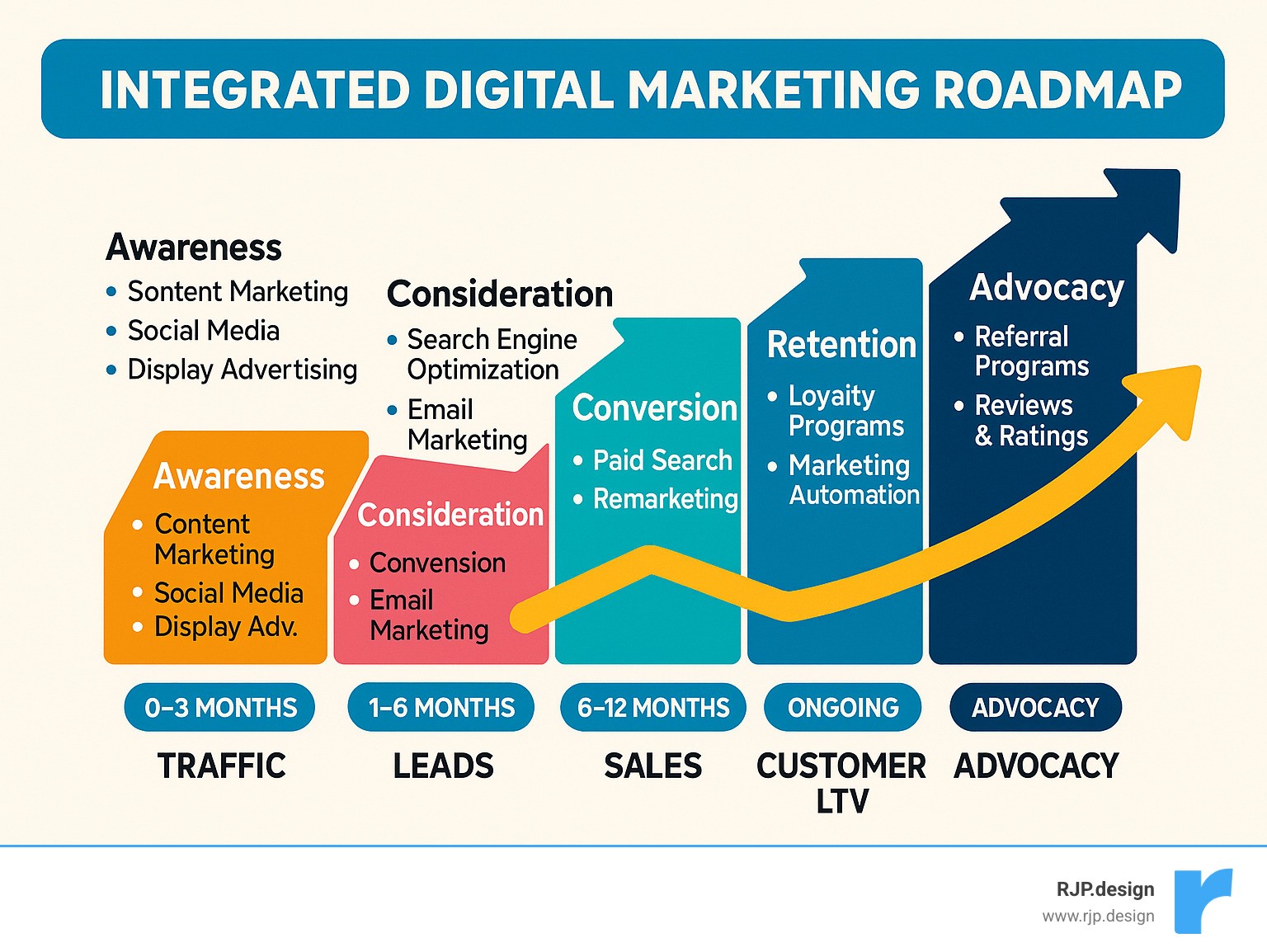
Some digital marketing solutions deliver quick wins within 1-3 months. PPC advertising can generate leads within days of launching. Email marketing to your existing customer list shows results immediately. Website improvements can boost conversions from your current traffic almost instantly.
Medium-term results show up around 3-6 months. This is when SEO starts delivering meaningful organic traffic increases. Your content marketing begins building real authority in your industry.
The long-term gains after 6 months are where the magic really happens. SEO compounds into significant organic traffic and lead generation. Most importantly, all your channels start working together in ways that multiply their individual effectiveness.
Here’s what’s really exciting: the compounding effects. A potential customer might find you through social media, research your company via Google search, sign up for your email newsletter, and eventually convert through a remarketing ad six months later.
We’ve helped businesses market over $20 million in revenue, and the pattern is always the same. The companies that stick with integrated strategies and give them time to mature see results that far exceed their initial expectations.
Conclusion & Next Steps

Getting your digital marketing solutions right isn’t about choosing the fanciest tools or following every trend. It’s about understanding your customers deeply and creating genuine connections across every touchpoint they have with your brand.
Throughout this guide, we’ve explored how successful businesses build their digital presence strategically. The companies that thrive aren’t necessarily the ones with the biggest budgets – they’re the ones that start with clear strategy rather than jumping straight into tactics.
Omnichannel synergy happens when your different marketing channels work together like instruments in an orchestra. Your blog post about solving customer problems informs your email newsletter content. Your social media conversations reveal new keyword opportunities for SEO. Your PPC ads test messaging that you can use in organic content.
The businesses we work with at RJP.design often tell us they wish they’d understood this connection sooner. The smartest approach is building a data-driven culture where every decision gets measured and every campaign teaches you something valuable.
Continuous learning might sound like business jargon, but it’s really about staying curious. What worked last year might not work this year. The only way to know is to test, measure, and adapt.
Here’s what we’ve learned after helping businesses market millions in revenue: success comes from consistent execution more than perfect strategy. A simple plan that gets implemented consistently beats a complex strategy that never gets finished.
Your next steps don’t need to be overwhelming. Start by auditing what you have right now – your website, your Google rankings, your social media presence. Look at it through your customer’s eyes.
Define who you’re really serving with the same clarity you’d use to describe your best friend. The more specific you get about your ideal customer, the easier every other decision becomes.
Set goals that actually matter to your business. Traffic numbers feel good, but paying customers feel better. Focus on metrics that connect directly to revenue.
Choose your battles wisely by picking 2-3 channels where your customers actually spend time. Master those before expanding.
Get your tracking sorted before you spend a dollar on advertising. You can’t optimize what you can’t measure, and you can’t prove ROI without proper data.
At RJP.design, we’ve built our reputation on taking the complexity out of digital marketing. We know you’d rather focus on running your business than wrestling with analytics dashboards and algorithm updates. That’s exactly why we exist.
Our high-quality, down-to-earth partnership approach means we become an extension of your team. We handle the technical stuff while keeping you informed about what’s working and why. No confusing jargon, no inflated promises – just honest communication about real results.
Whether you need help with comprehensive digital strategy or want to improve specific areas like search visibility, we’re here to guide you through it. Check out our Web Marketing Solution services to see how we can help your business grow online.
The digital landscape keeps changing, but some things stay constant. Understanding your customers, delivering real value, and measuring your results will always be the foundation of successful marketing. Focus on these fundamentals while staying open to new opportunities, and your business will thrive online.
Digital marketing is a marathon, not a sprint. Start with solid foundations, track your progress, and keep improving based on what you learn. The businesses that commit to this steady approach consistently outperform those chasing every shiny new trend.