Marketing
From Pixels to Power: A Deep Dive into Digital Media
Sep 25, 2025
Digital Media: Master Your 2025 Strategy.
Why Digital Media Rules the Modern World
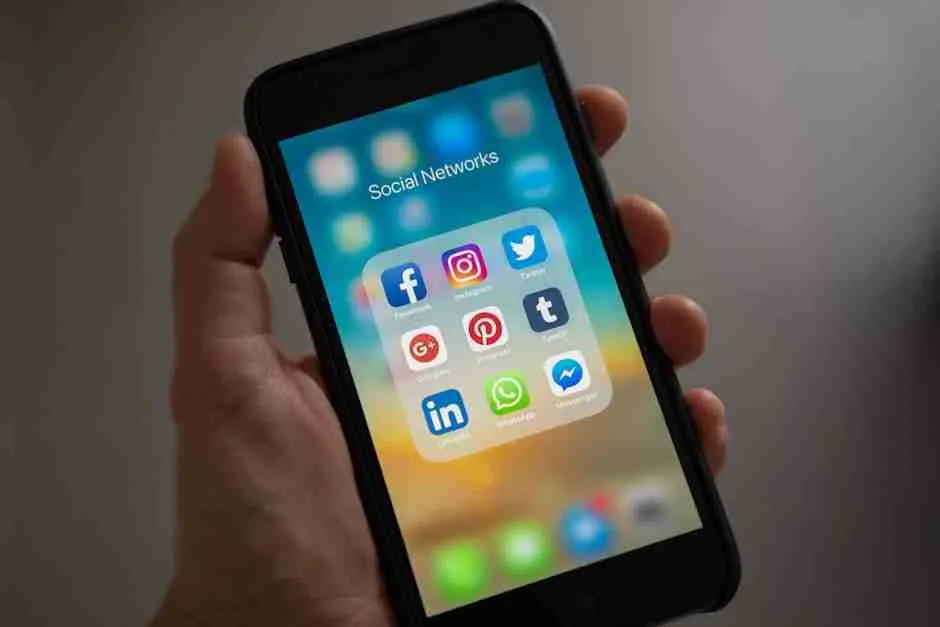
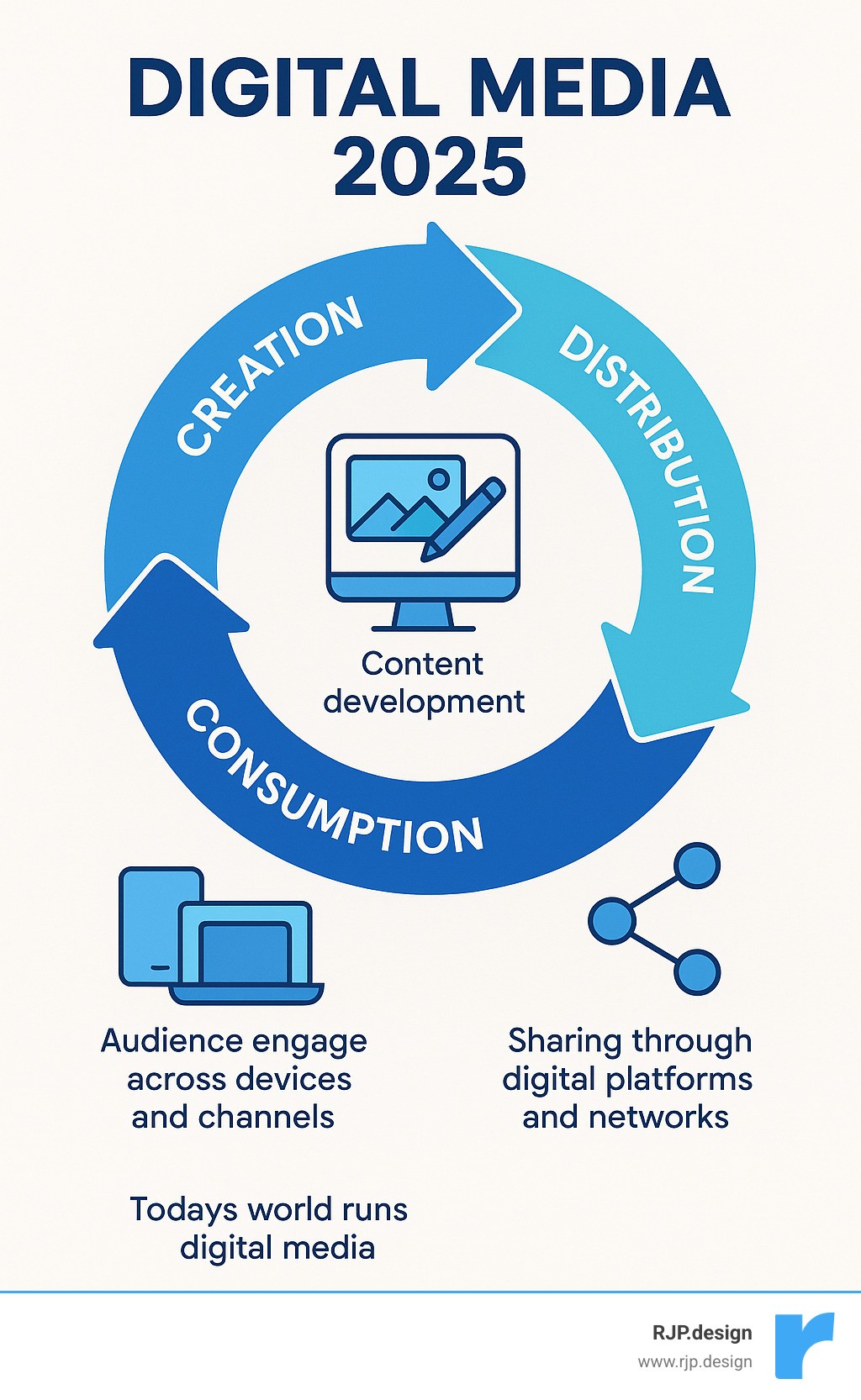
Digital media is any content created, stored, and shared through electronic devices and digital platforms. It’s information in binary code, transmitted over the internet, and includes everything from text and images to audio, video, and interactive content like apps and games.
Today’s world runs on digital media. 83% of Americans consume content from YouTube, and nearly 50% use Instagram regularly. The economic impact is massive: in 2024, 20.1% of all retail purchases happen online, with 2.71 billion people shopping digitally worldwide.
This shift affects every business. Whether you’re trying to reach new customers, educate an audience, or build a brand, understanding digital media is essential for survival.
I’m Ross Plumer, and I’ve helped businesses market over $20 million in revenue by mastering digital media strategies. My background combines psychology, business strategy, and hands-on digital marketing experience to help companies transform their online presence and drive real results.
Digital media word list:
The Great Shift: From Traditional Print to Digital Pixels
Not long ago, information was delivered on someone else’s schedule via traditional media like newspapers, radio, and television. These formats used analog signals—continuous waves that captured sound and images directly. If you missed the 6 PM news, you were out of luck.
The rise of computers and the internet changed everything. Digital media breaks content into binary code (0s and 1s), making it easy to copy, store, and share instantly. While analog technology records information in a continuous form (like grooves on a vinyl record), digital technology chops it into discrete pieces for rapid processing.
This shift revolutionized content distribution. Traditional media relied on physical infrastructure like printing presses and delivery trucks. Digital media travels through global networks at the speed of light, eliminating wait times.
The numbers confirm this change. Physical media has seen a dramatic decline as digital alternatives take over. Today, 38% of U.S. adults read news online, while traditional newspaper ad revenue has plummeted.
Our consumption habits have transformed. We stream music instead of buying CDs and binge-watch shows on demand. We no longer just consume content; we interact with it, share it, and create our own.
Feature | Traditional Media | Digital Media |
|---|---|---|
Reach | Local or national, limited by physical distribution | Global, instantaneous, virtually unlimited |
Cost | High production and distribution costs | Lower production costs, minimal distribution costs |
Interactivity | Minimal (e.g., letters to the editor) | High (comments, shares, user-generated content) |
Measurement | Difficult (e.g., circulation, viewership ratings) | Highly measurable (analytics, engagement metrics) |
This change means businesses need a strategy that accepts the instant, interactive, and measurable nature of modern communication. When done right, digital media provides unprecedented power to reach the right people at the right moment. Understanding this shift is crucial for success, and you can learn more about improving your digital presence.
The Core Formats: Exploring the Types of Digital Media
Think of digital media as a toolbox for connecting with people. Each format has a unique strength, and the magic happens when you choose the right tool for your message and audience.
What makes digital media special is its multimodality—the ability to mix text, images, sound, and video in ways traditional media never could, creating richer, more engaging experiences.
Text and Image-Based Media
These formats are the backbone of most digital strategies. Text-based content like blogs and articles establishes expertise and answers customer questions, while e-books are great for lead generation. Text works best when paired with strong visuals. Digital photography captures emotion, infographics make data digestible, and memes or graphics boost social media engagement. According to data on online news consumption, reading habits have decisively shifted to digital formats.
Audio and Video Media
These formats are excellent at capturing attention. Audio content like podcasts and audiobooks fits perfectly into busy lives, allowing people to consume content while multitasking. Audiobook sales hit $2 billion in the U.S. in 2024, a 9% jump from 2023. If audio is popular, video is king. YouTube is the world’s second-largest search engine, and streaming services have replaced traditional TV for millions. Webinars educate customers, and viral videos can create overnight brand recognition. A staggering 70% of consumers are inclined to share videos on social media, and statistics on American YouTube consumption confirm its essential role in content engagement.
Interactive and Owned Media
Interactive content invites the audience to participate. This includes video games, Virtual Reality (VR), and Augmented Reality (AR), which blur the lines between digital and physical worlds. For any business, the most important category is owned media—the digital properties you control. Key owned media assets include:
Websites: Your central digital hub.
Blogs: For sharing knowledge and improving SEO.
Email newsletters: For direct audience communication.
Mobile apps: For specialized services and customer interaction.
Owned media provides a stable foundation, independent of third-party platform changes. Our team specializes in website marketing solutions that build this strong foundation.
Classifying Your Digital Media Strategy: Paid vs. Earned
Beyond what you own, media reaches people through two other channels.
Paid media is your fast track to visibility. This includes social media ads, search engine marketing, and influencer marketing. The targeting capabilities are incredible, allowing you to reach specific demographics on platforms like TikTok, which is expected to exceed 1.04 billion users this year.
Earned media is the gold standard because it’s built on trust. It includes customer reviews, press mentions, and word-of-mouth recommendations. Research shows 57% of American consumers trust recommendations from family or friends above all other sources. You can’t buy earned media; you gain it through great products, service, and relationships. For help balancing these strategies, see our digital marketing company services.
Digital Media in Action: Changing Modern Industries
From checking social media in the morning to streaming a show at night, digital media has quietly revolutionized entire industries. The change is fundamental, altering how businesses operate, how we learn, and how we connect.

Marketing and Commerce
Digital media has rewritten the rules of business. Companies now build brands and have conversations with customers through social media, websites, blogs, and apps. The proof is in the numbers: 77% of consumers buy from brands they follow on social media. The e-commerce explosion is undeniable, with 20.1% of all retail purchases happening online in 2024 and 2.71 billion people shopping digitally. Content marketing—creating valuable content people want—has become a key strategy, while the influencer economy has created new avenues for trusted recommendations. This shift has leveled the playing field, allowing small businesses to compete with large corporations. Our digital marketing services for small business help companies steer this landscape.
Education and Information
The classroom has expanded beyond its walls. E-learning platforms offer accessible education to millions, allowing people to learn anytime, anywhere. Digital textbooks and interactive resources make learning more engaging and affordable. Online research has accelerated findy and collaboration, democratizing information and sparking innovation. Digital media also promotes accessibility, with features like resizable text and video captions for users with disabilities. Today, digital literacy—the ability to steer, evaluate, and create digital content—is as fundamental as reading and writing.
Entertainment and Communication
Our leisure time has been completely transformed. Streaming platforms like Netflix and Spotify have made on-demand content the norm, causing a dramatic shift away from traditional cable and physical media. Social networking is now central to our relationships, with 75% of U.S. adults on YouTube and 68% on Facebook. These platforms provide global connectivity, allowing us to connect with family, colleagues, and communities worldwide. This has also given rise to user-generated content, creating new careers for YouTube creators, streamers, and podcasters who can build massive audiences from their homes. To keep up with this dynamic world, explore our digital and social media marketing services.
Forging a Career in the Digital Frontier
The explosion of digital media has created a booming job market where creativity meets technology. This industry shows no signs of slowing, with job growth in the field projected to increase by 8% from 2018 to 2028, much faster than the average for all occupations.

In-Demand Digital Media Roles and Salaries
The variety of career paths is amazing. Whether you’re a visual person, a coder, or a data analyst, there’s a role for you. Here are a few popular positions and their median annual salaries:
Graphic Designer ($50,656): Creates visual concepts, from logos to social media graphics.
Web Developer ($77,791): Builds and maintains websites, with a projected job growth of 13%.
Social Media Specialist ($53,255): Manages a brand’s online presence and engages with audiences.
Video Editor ($52,316): Turns raw footage into polished video content.
Animator ($70,820): Creates moving images for films, games, and ads.
Video Game Designer ($76,887): Designs the core concepts and mechanics of video games.
Web Analytics Specialist ($54,969): Analyzes website data to improve user experience and marketing.
You can find more detailed average salaries for digital media careers to guide your decisions.
Essential Skills for a Career in Digital Media
Success requires a blend of artistic vision and technical know-how. Key skills include:
Creative Skills: The ability to design engaging and memorable content.
Technical Proficiency: Comfort with industry-standard tools like Adobe Creative Suite or programming languages.
Analytical Skills: The ability to interpret data, understand user behavior, and measure campaign success.
Communication: Strong writing and visual storytelling abilities to explain ideas clearly.
Adaptability: A willingness to learn and evolve in a fast-changing field.
Professionals who combine these skills with business acumen are highly valued. At RJP.design, our digital marketing experts embody these skills, helping businesses succeed while building rewarding careers.
The Future is Now: Trends, Challenges, and What’s Next
The world of digital media is constantly evolving. Today’s innovations become tomorrow’s standards, bringing both exciting opportunities and new challenges.
Emerging Technologies and Trends
The next wave of innovation is already here. Artificial Intelligence (AI) is changing content creation, helping to write copy, produce images, and analyze data. Virtual Reality (VR) and Augmented Reality (AR) are moving beyond gaming into practical applications like virtual home tours and AR shopping. Hyper-personalization uses data to deliver content and ads custom to individual users. Meanwhile, the creator economy continues to grow, empowering independent creators to build influential brands. Finally, interactive content is evolving from simple quizzes to dynamic, personalized experiences.
Societal Impact and Challenges
With growing influence comes great responsibility. Digital media platforms are powerful forces in shaping public opinion, but this power has a downside. The spread of disinformation and fake news is a major societal issue, affecting everything from public health to political stability. Copyright issues persist as the ease of sharing content creates challenges for protecting intellectual property. Furthermore, the digital divide—the gap in access to technology and skills—can worsen existing inequalities. The new digital divide is less about access and more about the ability to use technology meaningfully. Finally, concerns about digital addiction and mental health are growing, especially among young people who are almost constantly connected. As we accept new technologies, we must work to ensure digital media serves to connect and empower, not divide or mislead.
Frequently Asked Questions about Digital Media
Here are answers to three of the most common questions about digital media.
What is the main difference between digital media and digital marketing?
Think of digital media as the content itself—the videos, blog posts, photos, and podcasts. Digital marketing is the strategy for using that content to achieve business goals. For example, a photo of a dish is digital media. Using that photo in a targeted ad to drive lunch traffic is digital marketing.
Is social media considered a form of digital media?
Yes, absolutely. Social media is a primary category of digital media. It’s a distribution network for various content types (text, images, video) that is defined by its interactivity. Unlike traditional media, social media allows users to comment, share, and create content in response, making it a two-way conversation.
What are the biggest advantages of digital media over traditional media?
Digital media offers several game-changing advantages over traditional methods:
Global Reach & Lower Cost: You can reach an international audience at a fraction of the cost of traditional advertising.
Real-Time Interaction: It allows for direct, immediate engagement with your audience, building genuine relationships.
Precise Measurement: You can track and measure everything, from views and clicks to conversions, providing clear insight into what works.
Flexibility: Digital content can be updated or corrected instantly, unlike a printed ad or broadcast spot.
Conclusion
We’ve explored the vast world of digital media, from its core concepts to its impact on industries and careers. The data is clear: with 83% of Americans on YouTube and 20.1% of retail purchases happening online, this isn’t just a trend—it’s the new reality. The job market for digital media professionals is even growing 8% faster than average.
For any business, a strong digital media presence is no longer optional. Your customers, competitors, and brand conversations are all online. The future promises even more innovation with AI, VR, and a thriving creator economy, but it also brings challenges like misinformation that require careful navigation.
At RJP.design, we understand that behind every click is a real person. We don’t just build websites; we create digital experiences that connect with your audience and get you found online. Our down-to-earth team is ready to help you make your mark.
Ready to turn your digital potential into real results? Master your online presence with our expert social media services and let’s build something great together.