Web
From Pixels to Programs: Understanding Web Design and Development
Dec 26, 2025
The Architect and the Builder of the Web
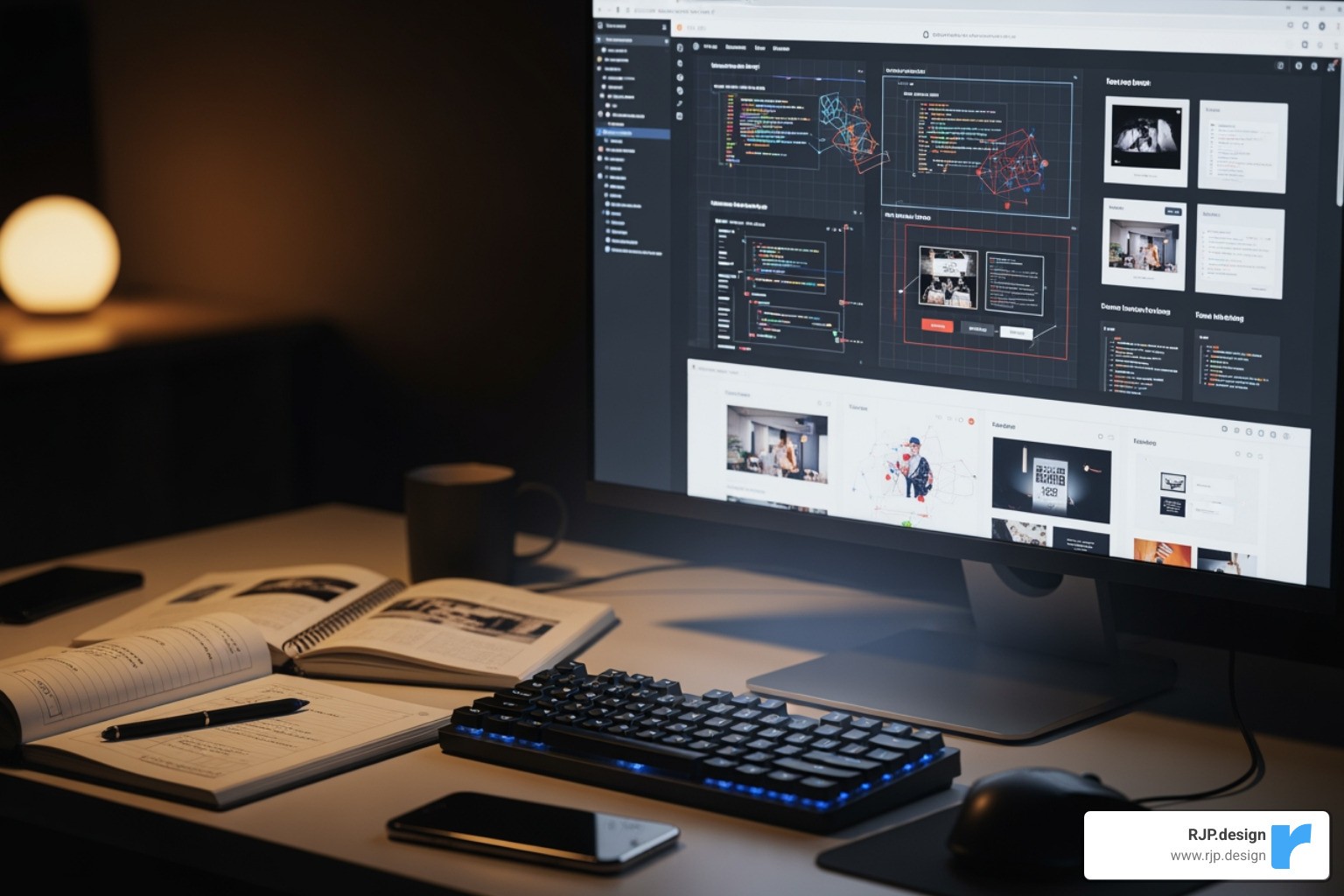
When it comes to building an online presence, understanding the roles involved is key. Here's a quick look at the core differences:
Web Design: Focuses on the visual appearance, layout, and user experience (UX/UI) of a website. It's about how the site looks, feels, and interacts with the user.
Web Development: Focuses on the technical functionality, coding, and underlying infrastructure that makes a website work. It's about building the engine and systems behind the scenes.
Web design and development are two intertwined yet distinct disciplines crucial for creating any successful online presence. Think of building a house: the architect designs its aesthetic, layout, and user flow, while the engineers and builders construct the foundation, walls, and plumbing to make it functional and safe.
In the digital field, web design is like the architectural blueprint. It encompasses everything a user sees and interacts with, from the color scheme and typography to the overall user experience (UX) and user interface (UI). It's about crafting an intuitive, visually appealing, and engaging journey for your visitors.
Web development, on the other hand, is the construction crew. Developers take the designer's vision and bring it to life using code. They build the underlying infrastructure, ensuring the website functions flawlessly, loads quickly, and performs securely, whether it's a simple static page or a complex e-commerce platform.
Historically, the lines were clearer: designers handled the look, developers wrote the code. Today, these roles often overlap, requiring close collaboration to bridge the gap between stunning visuals and robust functionality. Both are essential for a website that not only looks great but also works seamlessly and effectively.
As Ross Plumer, I've spent my career integrating business acumen with a deep expertise in web design and development. This holistic approach helps businesses not just build websites, but craft thoughtful online strategies that resonate and drive success.
A Deep Dive into Web Design and Development
At RJP.design, we know that a truly successful website is so much more than a pretty face or clever code. It's where art meets engineering, where every visual choice and every line of code works together to help your business thrive. Let's explore what really goes into creating exceptional web design and development.
The Designer's Canvas: Shaping the User Experience
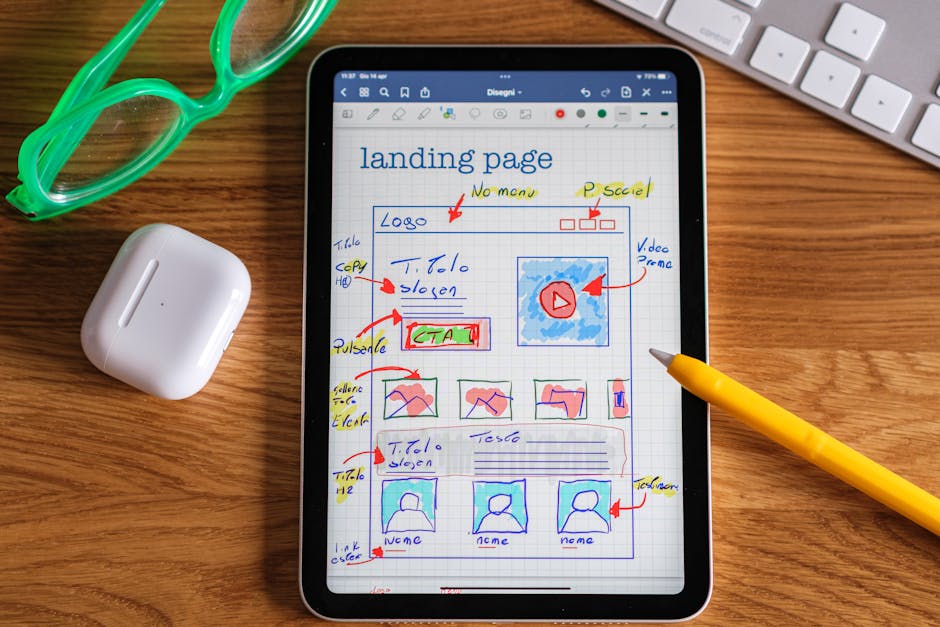
Web design is where creativity and strategy shake hands. It's the art of planning and creating everything your visitors see and interact with on your website. Our designers focus on making your site beautiful, yes, but more importantly, they craft an experience that feels intuitive and enjoyable.
What is web design? It covers everything related to how a website looks and feels. We're talking about color schemes, layouts, information flow, and all the details that make up the user interface (UI) and user experience (UX). Designers create wireframes and prototypes, choose typography, and establish visual hierarchies that guide your visitors' eyes exactly where you want them to go.
Our designers use graphic design principles and color theory to create visual impact. We carefully select typography that's easy to read, often pairing fonts for headings and body text that complement each other perfectly. Grid systems help us arrange content in predictable, scannable ways, while generous white space gives your content room to breathe.
Here's something we take seriously: accessibility. We follow The Web Content Accessibility Guidelines (WCAG), which ensure that everyone can use your website, regardless of visual, auditory, physical, or cognitive abilities. That means alt text for images, clear navigation, keyboard-friendly interfaces, and thoughtful design choices like making mobile buttons at least 9x9mm for easy tapping. Accessibility isn't an afterthought for us—it's baked into every design from day one.
And let's talk mobile. With 59% of web traffic coming from mobile devices and nearly 7 billion smartphone users worldwide, Responsive Web Design isn't optional anymore. Your site needs to look gorgeous and work flawlessly whether someone's viewing it on a desktop, tablet, or phone. When 61% of users won't return to a mobile site that's hard to steer, getting this right isn't just nice—it's essential.
Our designers work with tools like Adobe Creative Cloud for graphics, and platforms like Figma for creating high-fidelity mockups and interactive prototypes. These prototypes let us test and refine the user experience before any development begins, saving time and ensuring we're building exactly what you need.
The Developer's Code: Building a Functional Website
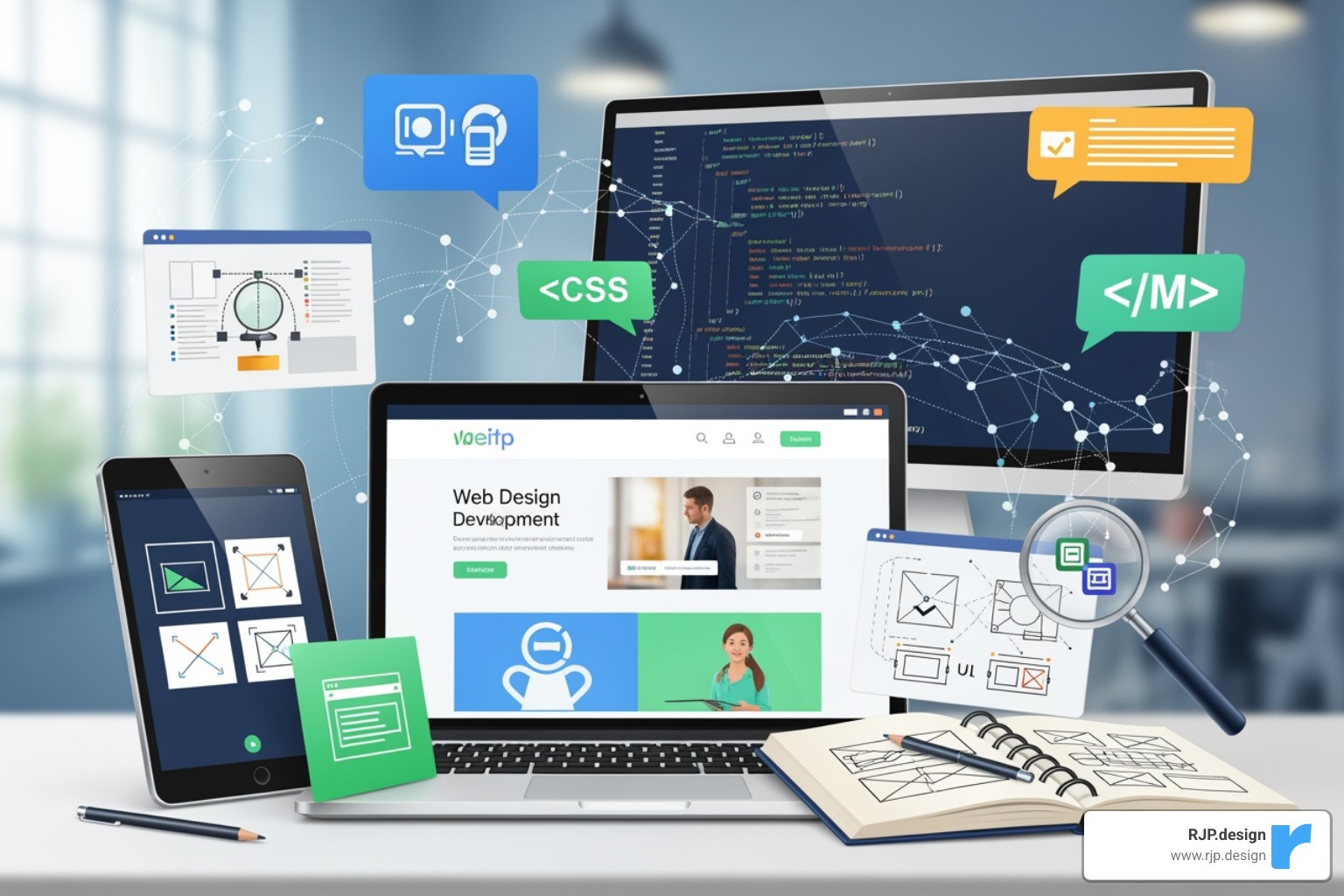
Once the design blueprint is ready, our developers roll up their sleeves and bring it to life. Web development is the engineering work that happens behind the scenes, making sure everything functions smoothly and efficiently.
What is web development? It's the technical work of building websites—from simple static pages to complex e-commerce platforms and social networks. While designers focus on how it looks, developers focus on how it works.
We break development into three main areas. Front-end development is the client-side work—everything users see and interact with in their browser. Our front-end developers use HTML to structure content, CSS to style it beautifully, and JavaScript to add interactivity like animations, form validation, and dynamic features. They also work with frameworks like React, Angular, and Vue.js to build responsive, modern web applications efficiently.
Back-end development is the server-side work—the databases, servers, and application logic that power your site behind the scenes. Our back-end developers work with languages like PHP, Python, Java, and C#, using frameworks like Ruby on Rails and Symfony to build robust server-side applications. They manage databases using MySQL, MongoDB, or PostgreSQL, and implement security measures with technologies like OAuth to protect your data and your users' privacy.
Then there's full-stack development, where developers can handle both front-end and back-end work. These versatile team members can see a project through from visual mockup to fully functional website, which is incredibly valuable for complex projects.
For all our Custom Website Solutions, we pay close attention to Google's Core Web Vitals—metrics that measure loading performance, interactivity, and visual stability. These aren't just technical benchmarks; they directly impact how users experience your site and how well it ranks in search results. A fast, responsive, stable website keeps visitors happy and helps Google find you.
Skills, Tools, and the Collaborative Process
The magic of web design and development happens when designers and developers work together seamlessly. While their skills differ, their goal is the same: creating an outstanding online experience for your visitors.
Feature | Web Designer | Web Developer |
|---|---|---|
Focus | Visual aesthetics, user experience (UX), user interface (UI), layout, color schemes, typography, and information flow | Technical functionality, coding, infrastructure, database management, server-side logic, front-end interactivity, performance, and security |
Key Skills | Graphic design, color theory, typography, UX/UI principles, wireframing, prototyping, responsive design, user research, empathy, and attention to detail | HTML, CSS, JavaScript and frameworks, server-side languages (PHP, Python, Java), database management, API integration, version control (Git), debugging, security practices, and performance optimization |
Common Tools | Adobe Creative Cloud (Photoshop, Illustrator, XD), Figma, Sketch, InVision Studio, WordPress, and Miro | Code editors (VS Code, Sublime Text), Git/GitHub, browser developer tools, frameworks (React, Node.js, Ruby on Rails), databases (MySQL, PostgreSQL), and preprocessors (LESS, Sass) |
Our collaborative process starts with a findy phase where we dig into your needs and define the project scope. Designers create wireframes and prototypes—interactive blueprints that map out the user journey. During the design handoff, designers annotate their work to communicate specifications clearly, while developers inspect elements for measurements, colors, and assets. Tools like Figma bridge this gap beautifully, ensuring the visual design translates accurately into functional code.
We often use agile methodologies, which means you're involved throughout the process. You review progress, provide feedback, and help us adjust priorities as needed. This keeps everything aligned with your goals and lets us adapt as requirements evolve. Version control systems like Git help our developers track changes, collaborate smoothly, and roll back if needed.
Beyond technical skills, soft skills matter enormously. Strong communication, creative problem-solving, teamwork, adaptability, and meticulous attention to detail help us steer complex projects successfully—whether we're building something new or working on a Website Redesign Service. At RJP.design, we believe the best websites come from teams that work together, listen carefully, and care deeply about getting the details right.
The Future of the Web and Your Place In It
Guess what? The digital world never stands still! That's why the fields of web design and development are always buzzing with new ideas and advancements. Staying on top of these changes isn't just about being current; it's about making sure your online presence is ready for tomorrow, today.
Emerging Trends in web design and development
The future of the web is looking super smart, interactive, and welcoming for everyone. Here are some cool trends we're already seeing and helping our clients accept:
AI-Powered Design Tools: Artificial intelligence is like having a super-assistant for design tasks. Did you know that about 93% of web designers are already using AI tools? These smart helpers can create images, suggest whole page layouts, and even check how user-friendly a design is. They help us make websites that really connect with visitors and boost those all-important conversion rates.
Motion UI and Micro-interactions: Websites are getting more animated and fun! Think subtle movements, like a button gently changing color when you hover over it, or cool parallax scrolling effects. These tiny "micro-interactions" make using a website feel more intuitive and enjoyable. Even animated text, called kinetic typography, helps tell your story in a fresh, engaging way.
Progressive Web Apps (PWAs): Imagine a website that acts like an app on your phone – fast, reliable, and even works offline! That's a PWA. Big names like Pinterest and Uber have seen huge success with them, proving they offer a fantastic user experience that keeps people coming back.
Voice User Interface (VUI): With voice assistants everywhere, talking to the web is becoming a big deal. Soon, about half of all online searches could be done by voice! This means we need to design websites that "understand" voice commands, making interaction super easy and hands-free.
Serverless Architecture: This fancy term just means developers can build awesome features without getting bogged down by server management. It lets us focus purely on creating great code, making websites faster to build and easier to scale up as your business grows.
Dark Mode and Color Flexibility: Eye strain? Not on our watch! Most smartphone users (about 82%!) love dark mode, and for good reason. It's easier on the eyes, looks sleek, and can even save battery life. Offering both light and dark modes gives your users a choice, showing you care about their comfort.
Sustainable Web Design: Just like we care for our planet, we're building websites that are eco-friendly. This means using cleaner code, optimized images, and efficient hosting to reduce a website's energy footprint. It's about being responsible, even online!
Want to geek out a little more on web tech? You can find More on web technology from MDN.
Career Outlook for web design and development Professionals
The future is incredibly bright for anyone stepping into web design and development! Take a look at this chart showing job growth projections:
This growth isn't just good, it's fantastic! The job outlook for these roles is expected to jump by 16% by 2032. That's much faster than most other jobs out there! Why the boom? Because more and more businesses need a strong online presence and e-commerce is, well, booming!
With such high demand comes competitive paychecks. Web Developers typically earn a median salary of $93,180, while Web and Digital Interface Designers are often paid even more, with a median salary of $105,760. And if we look at hourly rates, developers often command about $45 per hour compared to designers at $35, mostly thanks to their specialized coding skills.
The lines between design and development are blurring, creating exciting opportunities for "hybrid" roles. If you've got skills in both areas, you're a highly sought-after talent!
Here are some cool career paths you can explore in web design and development:
UX/UI Designer: These folks are the user champions, making sure websites are intuitive and beautiful.
Front-End Developer: They build the parts of the website you see and interact with, using HTML, CSS, and JavaScript.
Back-End Developer: The behind-the-scenes wizards who handle servers, databases, and all the logic that makes a website tick.
Full-Stack Developer: A true all-rounder, skilled in both front-end and back-end, capable of building a whole web project from scratch.
Web Content Manager: They oversee what goes on the website, making sure content is engaging and presented just right.
Turning Your Vision into a Digital Reality
Here's the secret sauce: a truly amazing website comes from perfect teamwork between web design and development. Think about it – a stunning website that doesn't work is just frustrating, right? And a super-functional site that looks messy won't grab anyone's attention. The magic happens when beautiful visuals meet flawless functionality.
At RJP.design, we absolutely love being those architects and builders for your online journey. We know that building a successful online presence isn't just about tech skills; it's about really understanding your business, who you want to reach, and your unique goals. Our down-to-earth team is all about client satisfaction, working hand-in-hand with you to bring your vision to life. We make sure your website not only looks incredible and runs smoothly but also gets found by your perfect audience, boosting your online presence and helping your business thrive.
Ready to make your website truly shine and stand out in today's crowded digital world? Let us put our expertise in web design and development to work for you.
Get started with our expert web design and development services today, and together, let's build something truly amazing.