
Marketing
Maximize Your Reach: How to Implement Effective Website Marketing Solutions
Sep 26, 2024

Maximize Your Reach: Why Website Marketing Solutions Matter
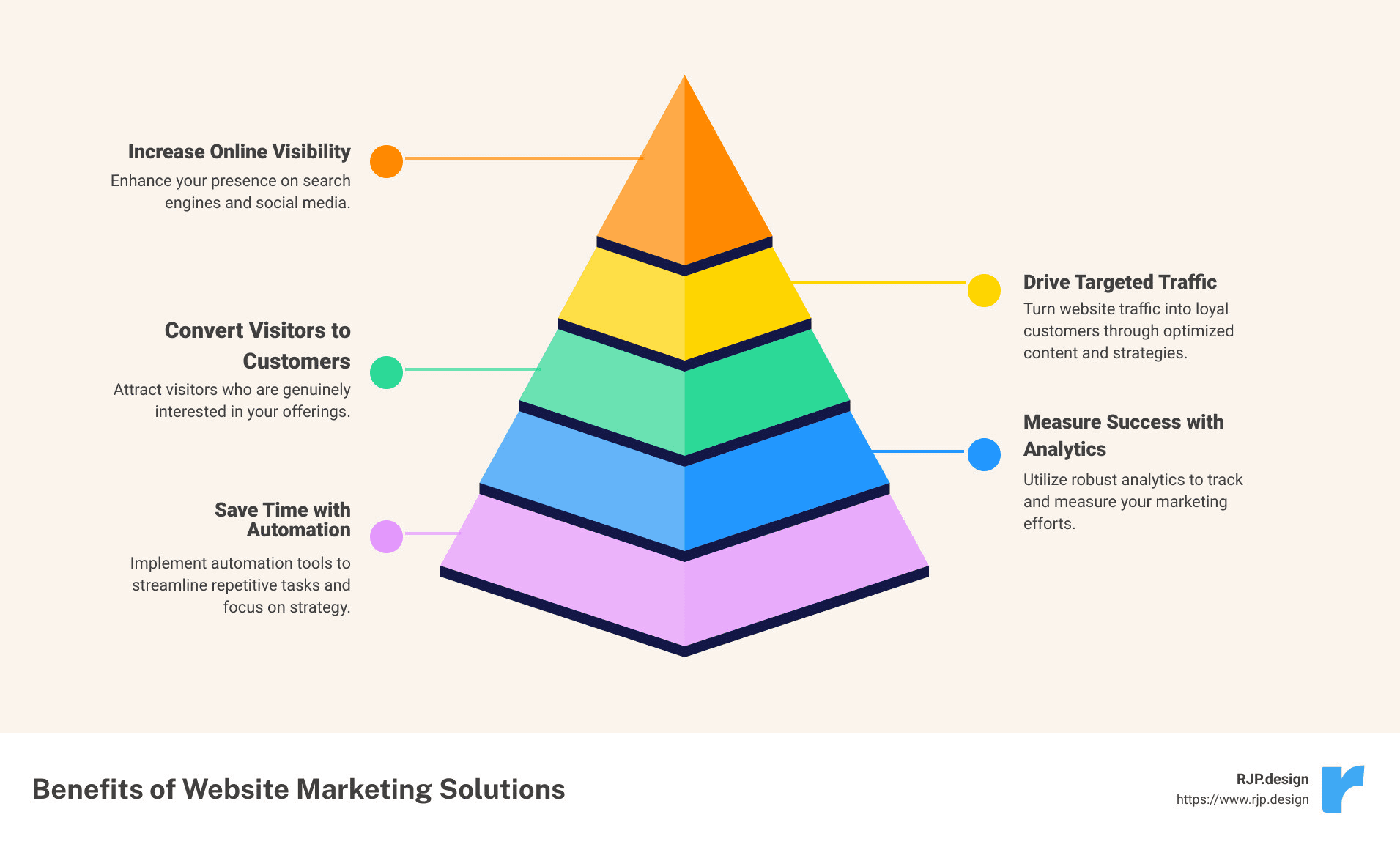
Having a strong online presence is vital for any business. Website marketing solutions are the key to achieving this. They help you increase visibility, drive traffic, and convert visitors into customers. Here’s a quick overview:
1. Increase your online visibility.
2. Drive targeted traffic to your site.
3. Convert visitors into loyal customers.
4. Measure success with robust analytics.
5. Save time and resources with automation.
Businesses that harness the power of website marketing can experience significant benefits. These include saving time and money, maximizing customer touchpoints, and gaining a better understanding of their audience through data-driven insights. Notably, a BrightTALK study shows that 42 percent of marketing professionals see a lack of quality data as a major barrier to lead generation. With the right website marketing solutions, this issue can be overcome.
I’m Ross Plumer, and with my background in digital marketing and website design, I’ve successfully helped businesses increase their reach and revenue. My holistic approach incorporates psychological and societal insights, driving effective website marketing solutions.
Relevant articles related to website marketing solutions:
– business website solutions
– creative website solutions
Understanding Website Marketing Solutions
Definition
Website marketing solutions refer to a set of strategies and tools designed to promote your website and increase its visibility online. These solutions aim to attract, engage, and convert visitors into customers. They encompass various tactics, such as search engine optimization (SEO), content marketing, social media marketing, email marketing, and paid advertising.
Benefits
Implementing website marketing solutions offers numerous benefits:
Increased Online Visibility: By optimizing your website, you can appear higher in search engine results, making it easier for potential customers to find you.
Targeted Traffic: Attract visitors who are genuinely interested in your products or services.
Higher Conversion Rates: Convert more visitors into paying customers with custom marketing strategies.
Cost-Effective: Digital marketing is often more affordable than traditional marketing methods.
Real-Time Analytics: Measure your success and adjust strategies based on real-time data.
Strategies
Here are some effective strategies to consider:
Search Engine Optimization (SEO)
SEO is the process of optimizing your website to rank higher in search engine results. This involves keyword research, on-page optimization, and building high-quality backlinks. Tools like Ahrefs can help you track your SEO performance and identify areas for improvement.
Content Marketing
Content marketing focuses on creating and distributing valuable content to attract and retain a target audience. Blogging, video content, and infographics are popular forms of content marketing. For example, a general contractor might blog about home maintenance tips, building credibility and trust with potential clients.
Social Media Marketing
Social media platforms like Facebook and Instagram offer powerful tools for engaging with your audience. You can use these platforms to share content, run ads, and interact with your followers. Analytics tools can help you measure engagement and adjust your strategies accordingly.
Email Marketing
Email marketing is one of the most effective ways to reach your audience. By sending personalized and automated emails, you can nurture leads and convert them into customers. Tools like Mailchimp and Omnisend offer robust email marketing capabilities.
Paid Advertising
Paid advertising, such as Google Ads and Facebook Ads, allows you to target specific demographics and reach a larger audience. This strategy can be particularly effective for driving immediate traffic to your website. Budget management and ROI tracking are crucial for success in paid advertising.
Real-World Examples
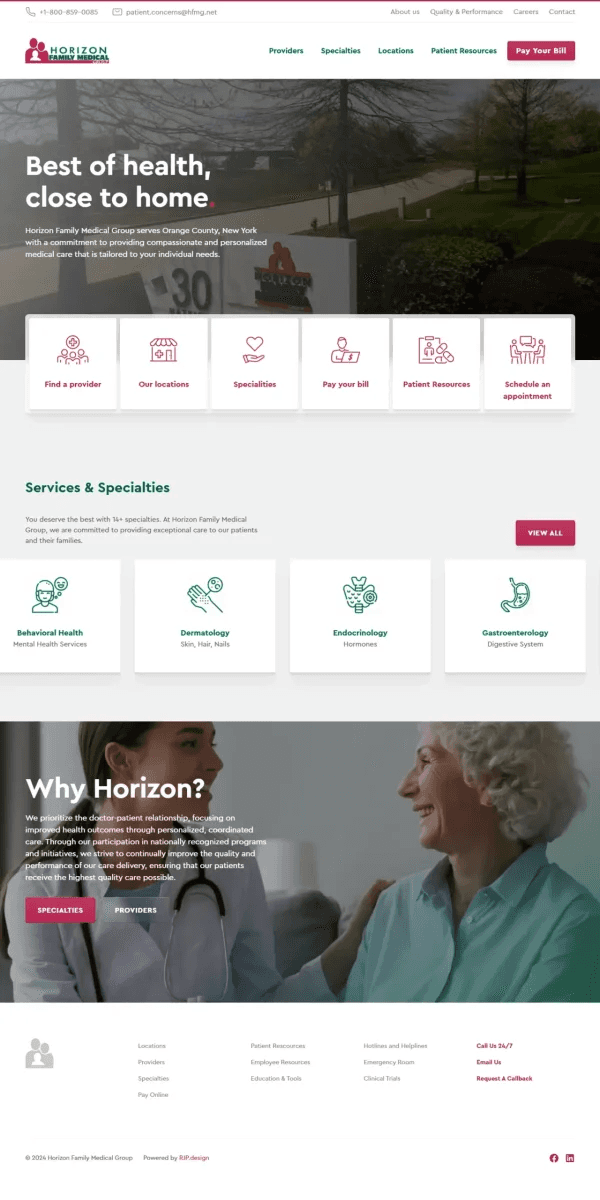
Consider the success story of Horizon Family Medical Group, which used a combination of SEO, content marketing, and social media marketing to increase their online visibility and attract more patients. Their custom approach resulted in a significant boost in website traffic and patient engagement.
By understanding and implementing these website marketing solutions, you can maximize your reach and achieve your business goals. Let’s move on to how you can effectively implement these strategies.
Next up: How to Implement Effective Website Marketing Solutions
Top Website Marketing Solutions for 2024
Google Ads
Google Ads, formerly known as Google AdWords, is the world’s largest internet advertising network. It allows you to display ads across Google search results, Android apps, and third-party websites. Setting up a campaign is straightforward: you choose keywords, set a daily budget, and your ads will display when those keywords are searched.
One of the biggest strengths of Google Ads is its integration with Google Analytics. This integration allows you to track all performance metrics and adjust your budget accordingly. However, finding the right balance between cost and sales can be tricky and may require some learning.
Hubspot Marketing Hub
Hubspot Marketing Hub offers a suite of tools designed to increase traffic, improve conversion rates, and manage scalable marketing campaigns. It provides everything from SEO tools to social media management, making it a comprehensive solution for businesses looking to improve their online presence.
Hubspot’s strength lies in its ability to integrate multiple marketing channels into one platform. This enables you to manage and analyze your campaigns from a single dashboard, making it easier to track ROI and make data-driven decisions.
Ahrefs
Ahrefs is a powerful SEO tool that helps you track your website’s performance and identify areas for improvement. It offers features like keyword research, backlink analysis, and content exploration. Ahrefs is particularly useful for businesses looking to improve their SEO strategies.
With Ahrefs, you can monitor your competitors’ SEO performance, find new keyword opportunities, and track your website’s ranking over time. This data-driven approach can help you make informed decisions and improve your website’s visibility.
Facebook remains a powerful platform for social media marketing. With its vast user base, Facebook offers numerous advertising options, including image ads, video ads, and carousel ads. You can target specific demographics, interests, and behaviors to reach your ideal audience.
Facebook’s analytics tools allow you to measure engagement and adjust your strategies accordingly. By analyzing metrics like click-through rates and conversion rates, you can optimize your campaigns for better results.
Mailchimp
Mailchimp is a popular email marketing tool that offers robust features for creating and managing email campaigns. It allows you to send personalized and automated emails, helping you nurture leads and convert them into customers.
One of Mailchimp’s standout features is its automation capabilities. You can set up automated email sequences based on user behavior, ensuring that your audience receives timely and relevant messages. This can significantly improve your email marketing performance.
Omnisend
Omnisend is an email marketing software ideal for e-commerce businesses. It allows you to create email campaigns, send personalized SMS messages, and display pop-up notifications on web browsers. Omnisend’s multi-channel approach can help you reach your audience through various touchpoints.
Omnisend also offers robust segmentation and automation features. You can segment your audience based on behavior and preferences, and send automated messages that resonate with each segment. This level of personalization can lead to higher engagement and better conversion rates.
How to Implement Effective Website Marketing Solutions
Step 1: Define Your Goals
Before diving into any marketing efforts, it’s crucial to define your business objectives and target audience. Clear goals will guide your strategy and help you measure success.
Business Objectives:
– Increase website traffic
– Generate leads
– Boost sales
– Improve brand awareness
Target Audience:
– Demographics (age, gender, location)
– Interests and behaviors
– Pain points and needs
Step 2: Develop a Content Strategy
Creating valuable content is key to attracting and engaging your audience. A well-thought-out content strategy can improve your SEO, drive traffic, and establish your brand as an authority.
Content Creation:
– Blog posts
– Infographics
– Videos
– Case studies
SEO Best Practices:
– Use relevant keywords
– Optimize meta tags
– Create high-quality, original content
– Build backlinks
Blogging Tips:
– Write for your audience, not search engines
– Use catchy headlines
– Include visuals
– Promote on social media
Step 3: Use Social Media Marketing
Social media platforms are powerful tools for reaching and engaging your audience. Choose the right platforms based on where your target audience spends their time.
Platforms:
– Facebook
– Instagram
– LinkedIn
– Twitter
Engagement:
– Respond to comments and messages
– Use interactive content like polls and quizzes
– Host live sessions
Analytics:
– Track metrics like likes, shares, and comments
– Use platform-specific analytics tools to measure performance
Step 4: Leverage Email Marketing
Email marketing remains one of the most effective ways to nurture leads and convert them into customers. Personalization and automation can significantly improve your email campaigns.
Personalization:
– Use the recipient’s name
– Segment your email list
– Send custom content
Automation:
– Set up welcome emails
– Create abandoned cart reminders
– Schedule regular newsletters
Newsletters:
– Share valuable content
– Include clear calls-to-action (CTAs)
– Make it visually appealing
Step 5: Invest in Paid Advertising
Paid advertising, such as PPC, can quickly drive targeted traffic to your website. It’s essential to manage your budget effectively and measure ROI.
PPC Campaigns:
– Choose the right keywords
– Set a daily budget
– Write compelling ad copy
Budget Management:
– Start with a small budget and scale up
– Monitor your spending
– Adjust bids based on performance
ROI Measurement:
– Track conversions
– Calculate cost per acquisition (CPA)
– Use tools like Google Analytics for detailed insights

By following these steps, you can implement effective website marketing solutions that drive results. Next, we’ll explore how to measure the success of your efforts.
Measuring the Success of Your Website Marketing Solutions
Once you’ve implemented your website marketing solutions, it’s time to measure their success. This involves tracking Key Performance Indicators (KPIs), analyzing data, and generating reports.
Key Performance Indicators (KPIs)
KPIs help you understand the effectiveness of your marketing efforts. Here are some essential KPIs to monitor:
1. Click-Through Rate (CTR):
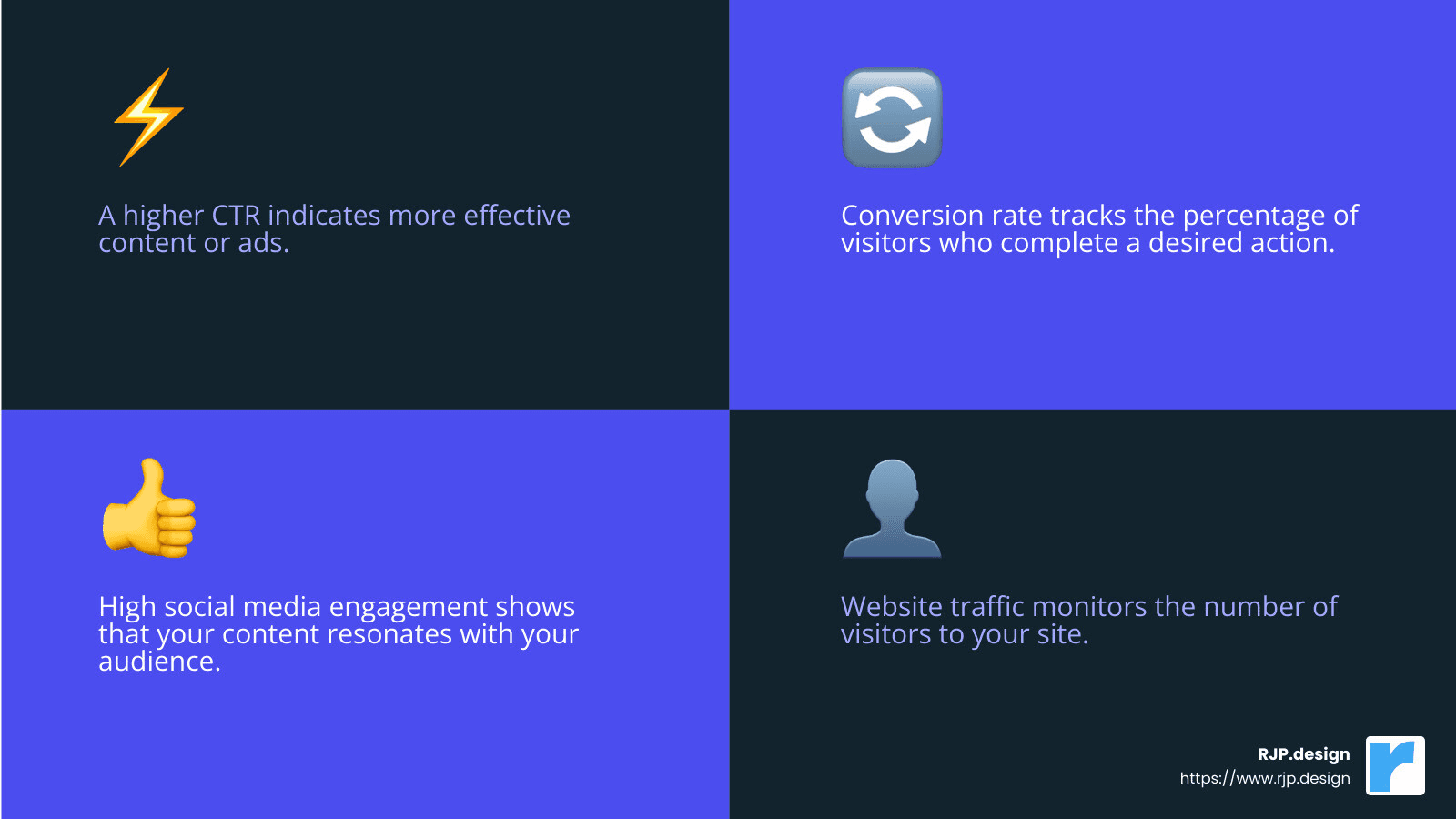
Measures the percentage of people who clicked on your ad or link out of the total who viewed it. A higher CTR indicates more effective content or ads.
2. Conversion Rate:
Tracks the percentage of visitors who complete a desired action, such as making a purchase or signing up for a newsletter. This KPI is crucial for understanding how well your site turns visitors into customers.
3. Social Media Engagement:
Includes likes, shares, comments, and other interactions on your social media posts. High engagement shows that your content resonates with your audience.
4. Website Traffic:
Monitors the number of visitors to your site. Use tools like Google Analytics to track metrics such as unique visitors, page views, and session duration.
5. Bounce Rate:
Represents the percentage of visitors who leave your site after viewing only one page. A high bounce rate may indicate that your content isn’t engaging or relevant.
Analytics
Analytics tools provide insights into how your marketing efforts are performing. Here are some key tools and metrics:
Google Analytics:
A must-have tool for tracking website traffic, user behavior, and conversions. It offers detailed reports on where your visitors come from, what they do on your site, and how they convert.
Social Media Analytics:
Platforms like Facebook, Instagram, and LinkedIn offer built-in analytics tools. These tools help you track engagement, reach, and follower growth.
Email Marketing Analytics:
Tools like Mailchimp and Omnisend provide data on open rates, click-through rates, and conversion rates for your email campaigns.
Reporting
Regular reporting helps you understand trends and make data-driven decisions. Here are some best practices:
1. Monthly Reports:
Generate reports at least once a month to review your KPIs and overall performance. This helps you spot trends and make timely adjustments.
2. Custom Dashboards:
Create custom dashboards in tools like Google Analytics to track your most important metrics in one place. This makes it easier to monitor performance at a glance.
3. Actionable Insights:
Focus on insights that can drive action. For example, if your CTR is low, consider revising your ad copy or targeting different keywords.
4. Transparent Reporting:
Share your reports with your team or stakeholders. Transparency fosters collaboration and helps everyone stay aligned with your marketing goals.
By diligently tracking KPIs, leveraging analytics tools, and generating insightful reports, you can measure the success of your website marketing solutions and make data-driven decisions to optimize your strategy.
Next, we’ll address some frequently asked questions about website marketing solutions.
Frequently Asked Questions about Website Marketing Solutions
What are the benefits of website marketing solutions?
Website marketing solutions offer numerous benefits that can help your business grow:
1. Increased Reach:** With billions of internet users worldwide, digital marketing allows you to reach a vast audience. This means you can connect with potential customers from all over the globe.
2. Better Targeting:** Digital marketing offers advanced targeting options. You can tailor your campaigns based on demographics, behavior, and interests, ensuring that your message reaches the right people.
3. Cost-Effectiveness:** Compared to traditional marketing, digital marketing can be more affordable. You can start with a small budget and scale up as you see results.
4. Measurable Results:** One of the biggest advantages is the ability to track and measure your efforts. Tools like Google Analytics provide insights into your campaigns’ performance, helping you make data-driven decisions.
5. Real-Time Adjustments:** Digital marketing allows for quick adjustments. If something isn’t working, you can tweak your strategy in real-time to improve outcomes.
How do I choose the right website marketing solution for my business?
Selecting the right website marketing solution involves several steps:
1. Define Your Goals:** Understand what you want to achieve. Are you looking to increase website traffic, generate leads, or boost sales? Clear goals will help you choose the right tools and strategies.
2. Know Your Audience:** Identify your target audience. Knowing their preferences, behavior, and demographics will help you select marketing solutions that effectively reach and engage them.
3. Evaluate Tools and Services:** Research different marketing tools and services. Look for features that align with your goals and budget. For example, if you need help with SEO, tools like Ahrefs could be beneficial.
4. Read Reviews and Case Studies:** Check reviews and case studies to see how other businesses have benefited from the tools and services you are considering. This can provide insights into their effectiveness.
5. Test and Iterate:** Start with a small campaign to test the waters. Monitor the results and adjust your strategy as needed. This approach helps you find what works best for your business without a large upfront investment.
How can I measure the effectiveness of my website marketing efforts?
Measuring the effectiveness of your website marketing efforts is crucial for optimizing your strategy. Here’s how you can do it:
1. Track Key Performance Indicators (KPIs):** Monitor KPIs like click-through rates (CTR), conversion rates, social media engagement, website traffic, and bounce rates. These metrics provide insights into your campaign’s performance.
2. Use Analytics Tools:** Use tools like Google Analytics to gather data on user behavior, traffic sources, and conversions. Social media platforms also offer analytics to track engagement and reach.
3. Generate Regular Reports:** Create monthly reports to review your KPIs and overall performance. Custom dashboards can help you track important metrics at a glance.
4. Focus on Actionable Insights:** Look for insights that can drive action. For example, if your bounce rate is high, consider improving your website’s content or design to keep visitors engaged.
5. Adjust Your Strategy:** Use the data and insights to make informed decisions. If a particular strategy isn’t working, don’t hesitate to make changes. Continuous optimization is key to successful website marketing.
By understanding the benefits, choosing the right solutions, and measuring your efforts, you can effectively implement website marketing solutions that drive growth for your business.
Next, we’ll wrap up with a summary and highlight how RJP.design can help you achieve your marketing goals.
Conclusion
Effective website marketing solutions are essential for any business looking to thrive online. From defining clear goals to leveraging social media, email marketing, and paid advertising, the right strategies can significantly boost your online presence and drive growth.
At RJP.design, we specialize in creating websites and enhancing online presence for businesses. Our high-quality service ensures that your website not only looks great but also performs exceptionally in search engines and across digital platforms.
Client satisfaction is our top priority. Our down-to-earth team works closely with you to understand your unique needs and deliver custom solutions that meet your objectives. We pride ourselves on our scalable solutions, industry expertise, and proven results that set us apart from traditional digital marketing agencies.
Why choose RJP.design?
Top-Level Creative: We provide modern, cutting-edge websites that look great and work flawlessly.
SEO Expertise: Our SEO strategies are designed to drive results and get your business noticed.
Social Media Savvy: We offer sharp, strategic social media marketing built for your audience.
Comprehensive Digital Marketing: From email campaigns to PR, we handle everything smoothly and effectively.
Our commitment to quality and client satisfaction has earned us numerous awards and the trust of businesses, solopreneurs, and individuals everywhere. When we win, you win.
Ready to maximize your reach with effective website marketing solutions? Learn more about our digital marketing services and let us help you achieve your marketing goals.
By following these strategies and partnering with a trusted expert like RJP.design, you can improve your digital presence, improve customer engagement, and drive significant growth for your business.