
Web
Creative Design Agency Showdown: Digital vs Traditional
Apr 16, 2026
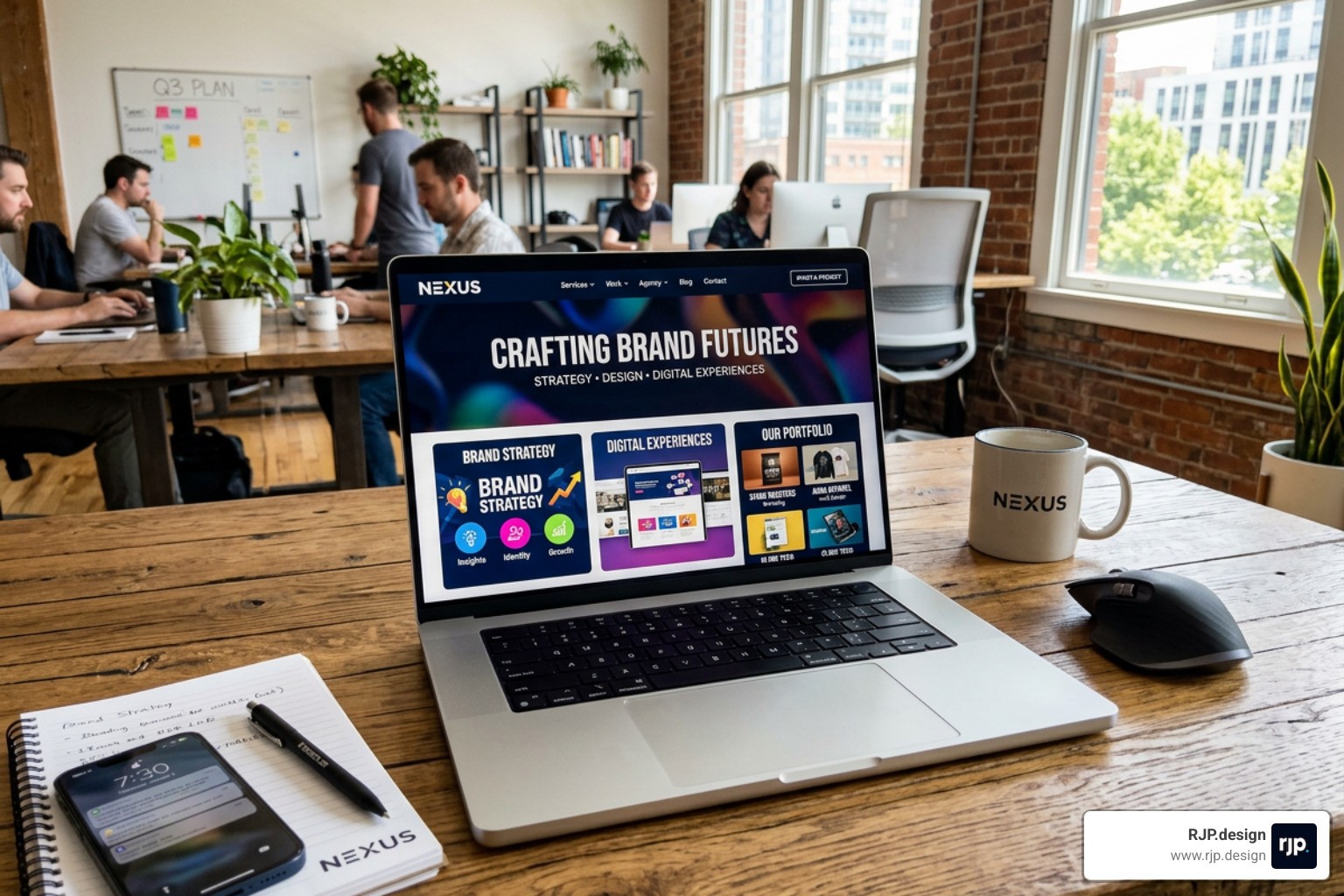
Why Choosing the Right Creative Design Agency Can Make or Break Your Brand
A creative design agency is a professional firm that combines brand strategy, visual design, and digital technology to help businesses attract customers, communicate their value, and grow online. Here's a quick breakdown of what separates the best from the rest:
What to Look For | Why It Matters |
|---|---|
Full-service capabilities | One team for branding, web, UI/UX, and print |
Human-centered design approach | Designs built around real user behavior |
Proven, measurable results | Higher engagement, conversions, and brand recognition |
Industry specialization | Relevant experience in your specific market |
Transparent process | Clear timelines, communication, and deliverables |
The design landscape in 2025 is more competitive than ever. Businesses aren't just competing on product or price -- they're competing on experience. Every touchpoint, from your website to your packaging to your social presence, shapes how customers perceive and trust your brand.
And yet, not all creative agencies operate the same way. Some lead with digital transformation and AI-driven workflows. Others are rooted in traditional brand strategy and storytelling. Understanding the difference can save you months of frustration -- and thousands of dollars.
Industry experts often note that a designer's ability to pivot between diverse sectors -- from real estate to healthcare to industrial equipment -- is what makes a great creative agency so powerful. This breadth of thinking brings a fresh perspective to every problem, regardless of the industry.
I'm Ross Plumer, a digital marketing and web design strategist with experience helping businesses generate over $20 million in revenue -- and I've spent years evaluating what makes a creative design agency truly effective for brands at every stage of growth. In this roundup, I'll cut through the noise and compare the agencies worth your attention.
Defining the Modern Creative Design Agency
In 2025, the definition of a creative design agency has shifted from "the people who make things look pretty" to "the people who make things work." The modern agency is a multidisciplinary powerhouse where strategy, design, and technology converge. Whether an agency is helping a startup achieve a $32B valuation or assisting a Fortune 500 company in refreshing a legacy brand, the goal is the same: creating meaningful, human-centered experiences.
Top-tier agencies today prioritize "functional aesthetics." This means a website shouldn't just be visually stunning; it must be accessible, high-performing, and built on conversion-focused frameworks. As the industry evolves, we see a clear divide between digital-first agencies that live in code and pixels, and traditional-led agencies that emphasize heritage and physical touchpoints.
Digital-First vs. Traditional-Led: The Comparison
To help you decide which path fits your business needs, we've broken down the core differences between these two agency philosophies:
Feature | Digital-First Agencies | Traditional-Led Agencies |
|---|---|---|
Core Focus | UI/UX, SaaS, Apps, and AI Integration | Brand Identity, Print, and Environments |
Workflow | Agile, iterative, and tech-agnostic | Research-heavy and narrative-driven |
Primary Output | Digital products and platforms | Logos, packaging, and physical spaces |
Success Metric | Conversion rates and user retention | Brand sentiment and long-term endurance |
Innovation | Leverages AI to speed up creative output | Uses heritage to inform future strategy |
Modern agencies often integrate AI into their workflows not to replace human creativity, but to accelerate it. By using AI-driven environments, agencies can ensure brand accuracy and discoverability across both human and machine-read contexts. This ensures that your brand remains consistent whether a customer is browsing your site or an AI agent is summarizing your services.
Services Offered by a Creative Design Agency
Leading agencies have moved far beyond simple web design. To provide a truly cohesive experience, a creative design agency must offer a suite of services that cover every possible customer interaction. These include:
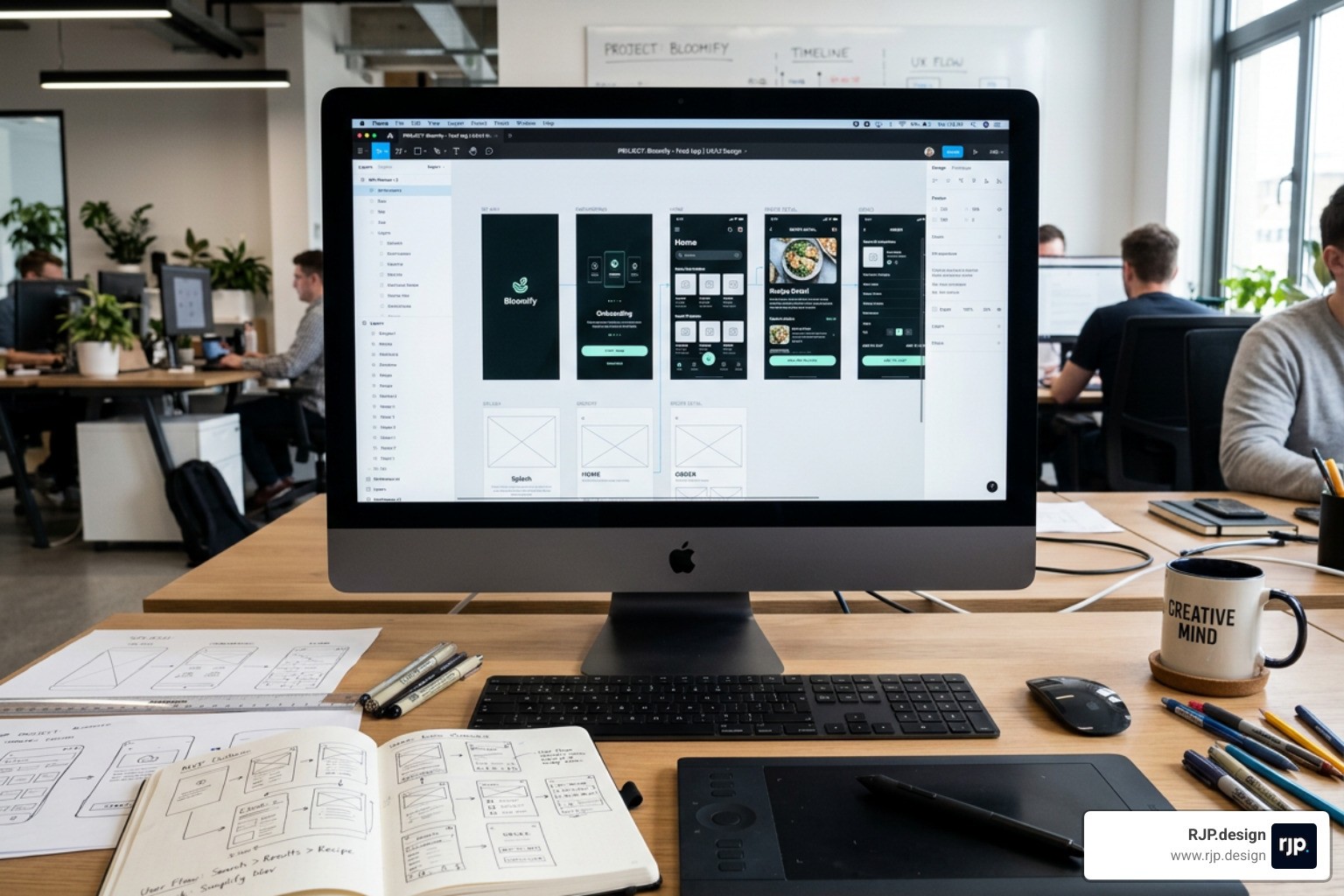
UI/UX Design: Creating human-centered interfaces that make complex systems easy to navigate.
Brand Activation: Bringing a brand to life through social content, campaigns, and motion design.
Packaging Design: Crafting the tactile experience that makes customers fall in love with physical products.
Environmental Graphics: Designing signage and physical workspaces that reflect brand culture.
Industrial & Product Design: Finding the "magic" where form meets function in physical objects, from AI-powered cameras to luxury vehicles.
Industry standards dictate that design only truly matters if it works. This philosophy drives top-tier agencies to look at every page in print and every pixel on a screen as an opportunity to make a brand more "human and true."
How a Creative Design Agency Measures Success
In the past, "success" might have been winning a trophy at an awards gala. Today, elite agencies measure success through outcomes that impact the bottom line. We look for:
User Engagement: Are people staying on the site? Are they interacting with the content?
Conversion Rates: Is the design guiding users toward a specific action, such as a purchase or a sign-up?
Smoother Workflows: For enterprise clients, does the design make internal processes more efficient?
Brand Endurance: Does the visual identity remain relevant for decades, or does it chase fleeting trends?
By focusing on creative website solutions, agencies can build platforms that aren't just brochures, but active growth engines for their clients. Success is no longer an opinion; it's a data point.
Choosing the Right Partner for Your Brand
Selecting a creative design agency is a lot like dating — you're looking for a partner who understands your values, communicates clearly, and is committed to a long-term future. Whether you are a "challenger brand" looking to disrupt an industry or an established organization needing a refresh, the criteria for selection remain constant.
The Selection Criteria List
When vetting potential partners, we recommend looking for these specific markers of excellence:
Portfolio Excellence: Do they have a track record of working with diverse industries, from healthcare and fintech to luxury goods and nonprofits?
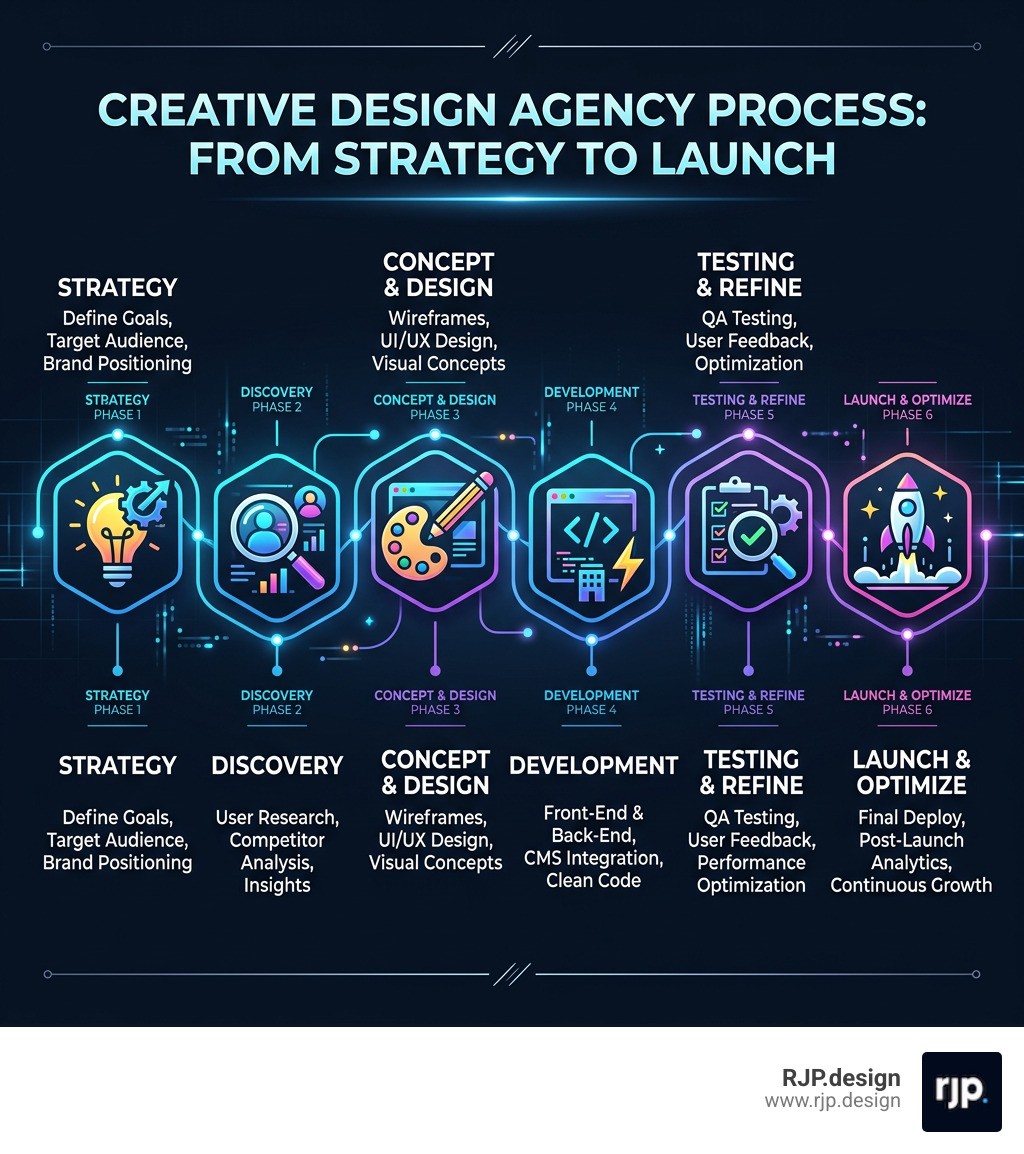
Transparency: Do they offer a defined, step-by-step process (e.g., Discovery, Art Direction, Design, Implementation)?
Senior-Led Teams: Will you be working with experienced directors or handed off to junior staff?
Cultural Fit: Do they act as an augmentation of your team rather than just a vendor?
Global Competition: Can they compete on a global stage, earning recognition for innovation and usability?
For startups, speed and flexibility are often paramount. For Fortune 500 companies, the focus shifts to scalability, accessibility, and maintaining a cohesive identity across thousands of touchpoints.
The Role of Storytelling in Digital Experiences
A brand without a story is just a commodity. Top agencies use narrative resonance to create emotional connections with audiences. This involves more than just writing a catchy slogan; it’s about ensuring the "brand voice" is consistent across every medium.
Good design is essentially storytelling. It creates a narrative that resonates on multiple levels, making a brand "unforgettable." When we approach a web redesign project, we don't just change the colors; we look for ways to make the brand's truth more apparent to the user. This emotional connection is what drives loyalty in a "sea of sameness."
Future Trends: AI and Human-Centered Design
As we look toward 2025, two major forces are shaping the industry: AI and human-centered design. While it might seem like they are at odds, the best agencies use them in tandem.
Tech-Agnostic Innovation: True innovation doesn't rely on a single piece of software. It’s about using the best tools available to solve a specific problem.
Machine-Read Contexts: As AI search engines and agents become more prevalent, agencies are designing "experience frameworks" that ensure brand accuracy when machines crawl their data.
Accessibility and Inclusion: Human-centered design means ensuring that digital experiences are usable for everyone, regardless of ability.
According to recent research on branding trends, the agencies that will thrive are those that prioritize "connection over conversion." By building trust first, the conversions naturally follow.
Conclusion: Elevating Your Brand with RJP.design
Choosing a creative design agency is one of the most significant investments a business can make. Whether you need a digital-first approach to launch a new SaaS product or a traditional-led strategy to redefine your brand identity, the right partner will bridge the gap between your vision and your audience's needs.
At RJP.design, we believe that high-quality service shouldn't come with high-brow attitudes. We are a down-to-earth team that prioritizes your satisfaction and real-world results. We specialize in creating websites that don't just look great but are strategically built to be found and used.
Our approach is simple: we combine the strategic depth of a world-class web design agency with the personal touch of a dedicated partner. We focus on what works, ignoring the "safe play" in favor of the smart one.
Ready to see how a human-centered, results-driven approach can transform your online presence? Let’s start your digital journey together.