Web
Design Your Success: Finding Your Perfect Website Designing Agency
Feb 5, 2026
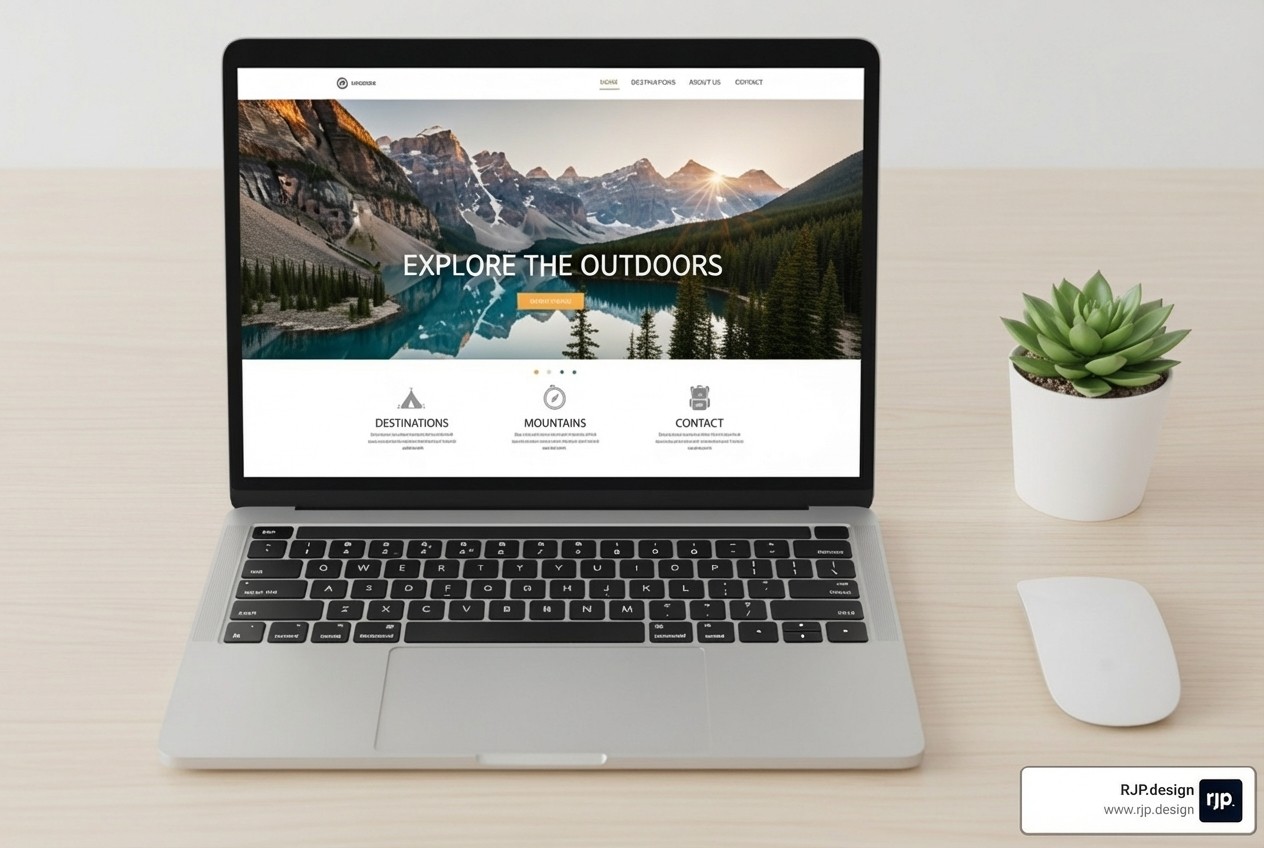
Why Your Website is Your Most Valuable Digital Asset
A website designing agency is your strategic partner for creating a professional, high-performing online presence. For RJP.design clients, that means combining thoughtful strategy, clean design, and reliable development into one seamless experience.
What Top Website Designing Agencies Offer:
Custom website design custom to your brand and business goals
User experience (UX) and user interface (UI) design
Full-stack web development (front-end and back-end)
SEO optimization and technical implementation
Responsive, mobile-friendly design
Ongoing maintenance and support services
Digital strategy and brand identity development
Typical Investment Range:
Basic websites: $25,000 - $50,000
Mid-range custom sites: $50,000 - $100,000
Complex, enterprise-level platforms: $100,000 - $200,000+
Average Project Timeline: 4-6 months for most professional website builds
Your website is your most powerful salesperson, working 24/7. Since 75% of consumers judge a company's credibility based on its website design, your online presence is a critical first impression. An outdated design or poor mobile experience can be a significant barrier to growth.
The right website designing agency transforms your site from a liability into your greatest asset. A professional agency blends strategy, design, and technology to build websites that do not just look good—they convert visitors into customers. Professionally designed sites convert 82% better than DIY alternatives and can generate a 24% lift in organic search results, with many businesses seeing 40% or more of their revenue originate from their website.
This guide will cover what services to expect, how to evaluate partners, and what factors influence cost to ensure your investment delivers measurable results. I am Ross Plumer, and I have seen how a strategic partnership with a website designing agency can turn a struggling online presence into a powerful growth engine.

Your Comprehensive Guide to Hiring a Website Designing Agency
What to Expect from a Professional Website Designing Agency: Core Services
When you partner with a professional website designing agency, you are investing in a comprehensive suite of services designed to drive online growth. Here are the core services you can expect:
Digital Strategy: Before any design work begins, a top agency will dive deep into your business. This includes market research, competitor analysis, and defining your target audience and goals to ensure your website is a powerful tool for achieving business objectives. This often involves developing your Services/Brand Identity.
User Experience (UX) & User Interface (UI) Design: UX designers focus on making your site intuitive and efficient, while UI designers craft the visual elements (colors, typography, imagery) for an aesthetically pleasing look. The goal is a seamless and engaging visitor journey.
Custom Web Development: Developers build your site from the ground up, translating designs into high-performing code. This includes front-end (what users see), back-end (server and database), and CMS integration (like WordPress or Shopify) so you can easily manage content.
SEO & Content Creation: A great website is useless if it cannot be found. Strong agencies integrate Search Engine Optimization (SEO) best practices from the start, including keyword research, on-page optimization, and crafting compelling content to drive organic traffic.
Ongoing Maintenance & Support: Websites require continuous care. Reliable partners offer managed hosting, security monitoring, performance optimization, and routine updates to ensure your site remains fast, secure, and effective long after launch.
A professional website designing agency serves a wide array of industries, tailoring its approach to specific business needs in sectors like B2B, healthcare, real estate, e-commerce, technology, and law.
The Collaborative Process: From Vision to a High-Performing Website
Working with a website designing agency is a collaborative partnership. A typical professional website build takes 4-6 months, though complexity can adjust this timeline. Smaller projects may take 1-3 months, while more intricate platforms can take 6-12 months.
Here is a general overview of the process:
Phase 1: Findy & Strategy: You start with a deep dive into your business, conducting interviews, researching your industry, and defining clear goals. This foundational phase ensures everyone is aligned on the project's direction.
Phase 2: Design & Prototyping: Designers create wireframes and interactive prototypes to map out the site structure and user flow. They then develop high-fidelity mockups, incorporating your feedback to perfect the visual design before development begins.
Phase 3: Development & Coding: Developers write clean, efficient code to bring the approved designs to life. They build both the front-end and back-end, integrate your CMS, and implement any custom features with regular check-ins to keep you updated.
Phase 4: Testing & Launch: Before going live, the site undergoes rigorous testing for functionality, responsiveness, browser compatibility, and speed. After a successful launch, the work continues with monitoring and optimization.
Throughout each phase, your feedback is essential. A good agency will collaborate closely with you and, when relevant, with your internal team and trusted partners to keep the project aligned with your goals.
Measuring Success Post-Launch: A successful website is about continuous improvement. Tools for Website Analytics Tracking help monitor key metrics like traffic, bounce rate, and conversions. High-performing websites often show results such as:
Being effective for 56% longer.
Converting 82% better.
Creating a 24% lift in organic search results.
Driving 40% or more of total revenue through the website.
Conversion Rate Optimization (CRO) strategies then use this data to make iterative improvements and maximize your website's effectiveness.
Decoding the Investment: What Factors Influence Website Design Costs?
The investment in a professional website varies based on several key factors. There is no one-size-fits-all price, as each project is unique.
Here is what influences the cost when partnering with a website designing agency:
Project Complexity & Features: The biggest cost driver. A simple informational site is less expensive than a complex e-commerce platform with custom integrations, user accounts, or advanced functionalities.
Custom vs. Template Design: A custom design is built uniquely for your brand, offering optimal user experience and scalability. This bespoke approach costs more than a template but provides greater flexibility and brand authenticity.
Agency Experience & Size: Agencies with a proven track record and a team of specialized experts typically command higher fees. This is an investment in quality, strategic insight, and reliable execution.
Scope of Services: The price is impacted by the services included. A basic build might only cover design and development, while a comprehensive project could include digital strategy, content creation, advanced SEO, and ongoing support.
Typical Price Ranges:
Basic Sites: For a small business needing a strong online presence, costs typically range from $25,000 to $50,000.
Mid-Range Custom Sites / Website Rebuilds: Businesses upgrading their site can expect to invest $50,000 to $100,000 for a project including strategy, UI/UX, development, and SEO. More comprehensive rebuilds can reach $75,000-$150,000. See the Website Redesign Packages Complete Guide for more details.
Complex, Enterprise-Level Platforms: Large organizations or businesses requiring highly custom web applications can expect investments well over $200,000.
A high-performing website is a strategic tool designed to generate leads, drive sales, and build your brand's credibility.
Key Elements of a Modern Website: UX, Mobile, and SEO
In today's digital landscape, a modern website must be user-centric, functional, and findable. The three critical pillars are:
User Experience (UX) and Intuitive User Interface (UI): A great UX makes your website effortless and enjoyable to use through intuitive navigation and clear calls to action. The UI complements this with a clean, consistent, and aesthetically pleasing visual design.
Responsive Web Design (RWD) and Mobile-First Approach: With mobile users accounting for more than half of all website traffic, responsive design is non-negotiable. It ensures your site looks and functions properly on any screen size. Many agencies prioritize a mobile-first approach for e-commerce and a desktop-to-mobile approach for B2B sites. Learn more in the guide to Responsive Web Design (RWD).
Page Speed and Core Web Vitals: Slow sites lose visitors; the average user leaves a site that takes longer than 3 seconds to load. Optimization for speed and Google's Core Web Vitals supports a superior user experience and stronger SEO.
On-page SEO Best Practices: To be found on Google, your site needs to be optimized. On-page SEO best practices include strategic keyword integration, optimized meta descriptions, proper header tags, and a clean site structure to make your content visible to your target audience.
How to Choose the Right Website Designing Agency for Your Business
Selecting the right website designing agency is a critical business decision. Here is how to find the right fit:
Vet Portfolios and Case Studies: Review an agency's past work. Does their aesthetic align with your brand? Do they have experience in your industry and showcase measurable results?
Seek Network Referrals: Ask colleagues or business partners for recommendations of agencies they have had a positive experience with.
Read Client Testimonials and Reviews: Look beyond the agency's website. Reputable platforms like Clutch.co and DesignRush offer unbiased reviews from past clients, providing insight into an agency's process and client satisfaction.
Look for Awards and Accreditations: Recognition from respected organizations can indicate a commitment to design excellence and innovation.
Ask the Right Questions: During your initial consultations, a prepared list of questions will help you understand an agency's process and approach.
Here is a table of key questions to ask:
Question | Why It Matters |
|---|---|
What is your process for designing a website? | A structured process indicates organization and predictability. |
How do you measure success? | The agency should focus on measurable KPIs like conversion rates and lead generation, not just aesthetics. |
What is your typical project timeline? | This helps set realistic expectations. Be wary of unrealistically fast turnarounds. |
Do you offer post-launch support and maintenance? | A good partner offers ongoing support to ensure long-term performance and security. |
How do you handle changes or new requests mid-project? | Flexibility and clear communication are key for adapting to changes while keeping the project on track. |
Can you provide examples of work for my industry or business type? | Experience in your niche can lead to a faster understanding of your audience and more custom solutions. |
How do you approach managing clients and projects? | Look for transparency, dedicated project managers, and regular communication. |
Will AI be used to generate my website? | Understand their stance on AI. Ensure human expertise is paramount for a unique and authentic brand voice. |
Benefits of an Experienced Partner: An experienced website designing agency brings strategic insights and proven methodologies to your project. This expertise translates into reliable results, scalability for future growth, and efficient execution that maintains high standards of quality.
Conclusion: Partnering for Long-Term Growth
Your website is a vital, evolving asset in the digital economy. Partnering with the right website designing agency is a strategic investment in your business's future.
From digital strategy and custom development to UX design and SEO, a professional agency transforms your vision into a high-performing digital reality. A well-designed, fast, and mobile-friendly website directly impacts your credibility, user engagement, and bottom line.
At RJP.design, the focus is on client satisfaction, clear communication, and delivering impactful results with a down-to-earth, collaborative approach. When your website is backed by strategic thinking and expert execution, its potential is significant.
Ready to transform your online presence?
Let's build your brand's future together.