
Marketing
41 Ways to Win Back Lost Customers: Abandoned Cart Recovery Strategies
Mar 30, 2026
You're Losing 70% of Your Sales — Here's How Abandoned Cart Recovery Fixes That
Abandoned cart recovery is the process of re-engaging shoppers who added items to their online cart but left without completing their purchase — and it's one of the highest-ROI strategies available to e-commerce store owners.
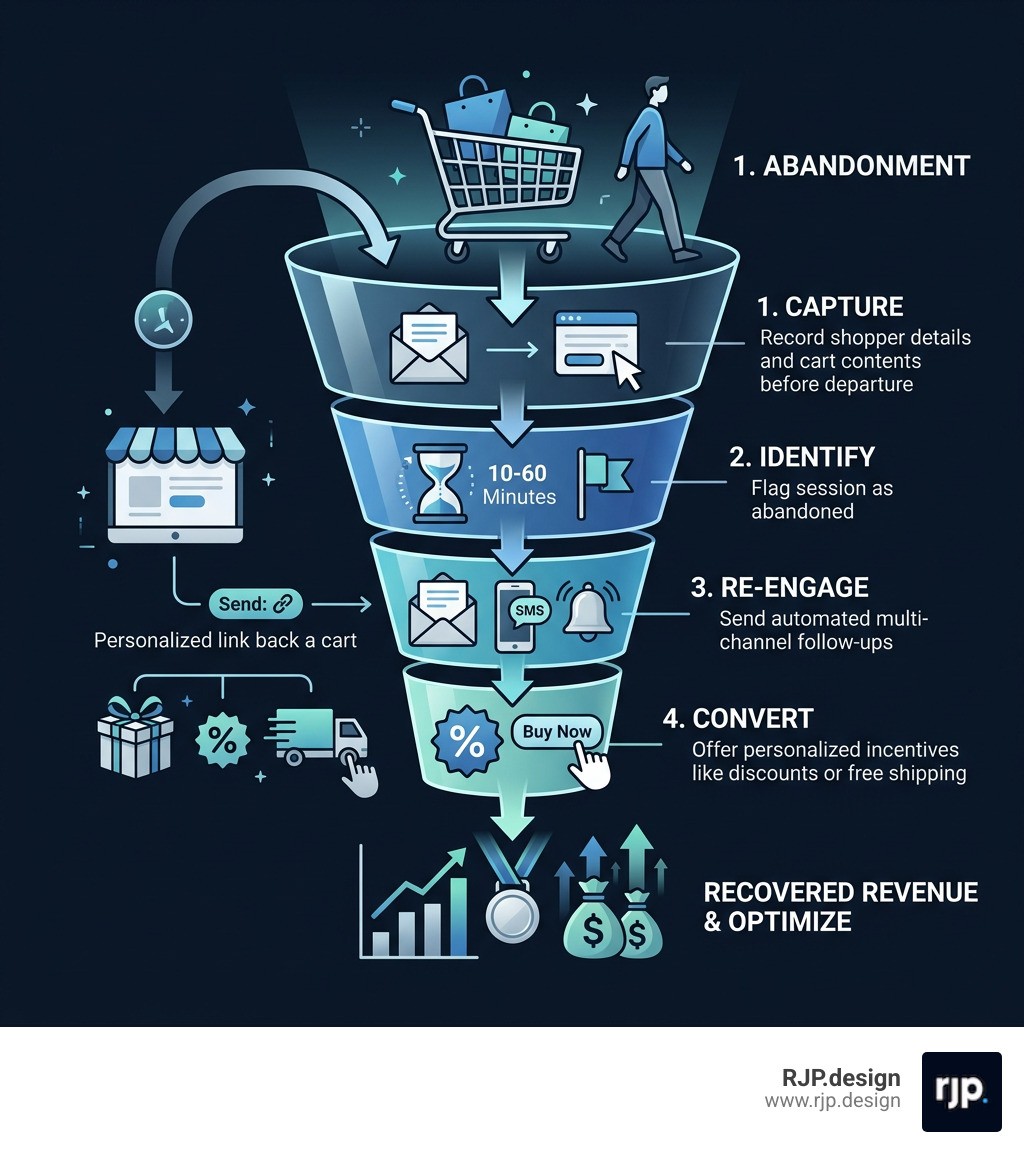
Quick answer: How does abandoned cart recovery work?
Capture — Record the shopper's email and cart contents before they leave
Identify — Flag the session as abandoned after a set time window (typically 10-60 minutes)
Re-engage — Send automated follow-ups via email, SMS, or push notification with a link back to their cart
Convert — Offer personalized incentives like discounts or free shipping to close the sale
Measure — Track open rates, click-throughs, and recovered revenue to optimize your strategy
Here's the hard truth: the average e-commerce store loses 70.19% of its shoppers at the cart stage. Across the industry, that translates to an estimated $260 billion in recoverable revenue lost every single year. The word recoverable is key — this isn't revenue that's simply gone. It's money sitting on the table, waiting for the right nudge at the right moment.
The good news? Even basic recovery efforts can make a measurable difference. Abandoned cart emails alone carry an average open rate of 45%, and follow-up emails have been shown to recover anywhere from 3% to 14% of lost sales. For small businesses especially, that can add up fast.
Whether you're running a WooCommerce store with a handful of sales per week, or scaling a growing DTC brand, the strategies in this guide apply directly to your situation — no enterprise budget required.
I'm Ross Plumer, a digital marketing strategist with experience helping businesses generate over $20 million in revenue, including building and optimizing e-commerce systems where abandoned cart recovery plays a central role in conversion strategy. In this guide, I'll walk you through 41 practical, proven ways to win back lost customers — from quick-win automations to advanced multichannel tactics.
Abandoned cart recovery word roundup:
The Science of Abandoned Cart Recovery
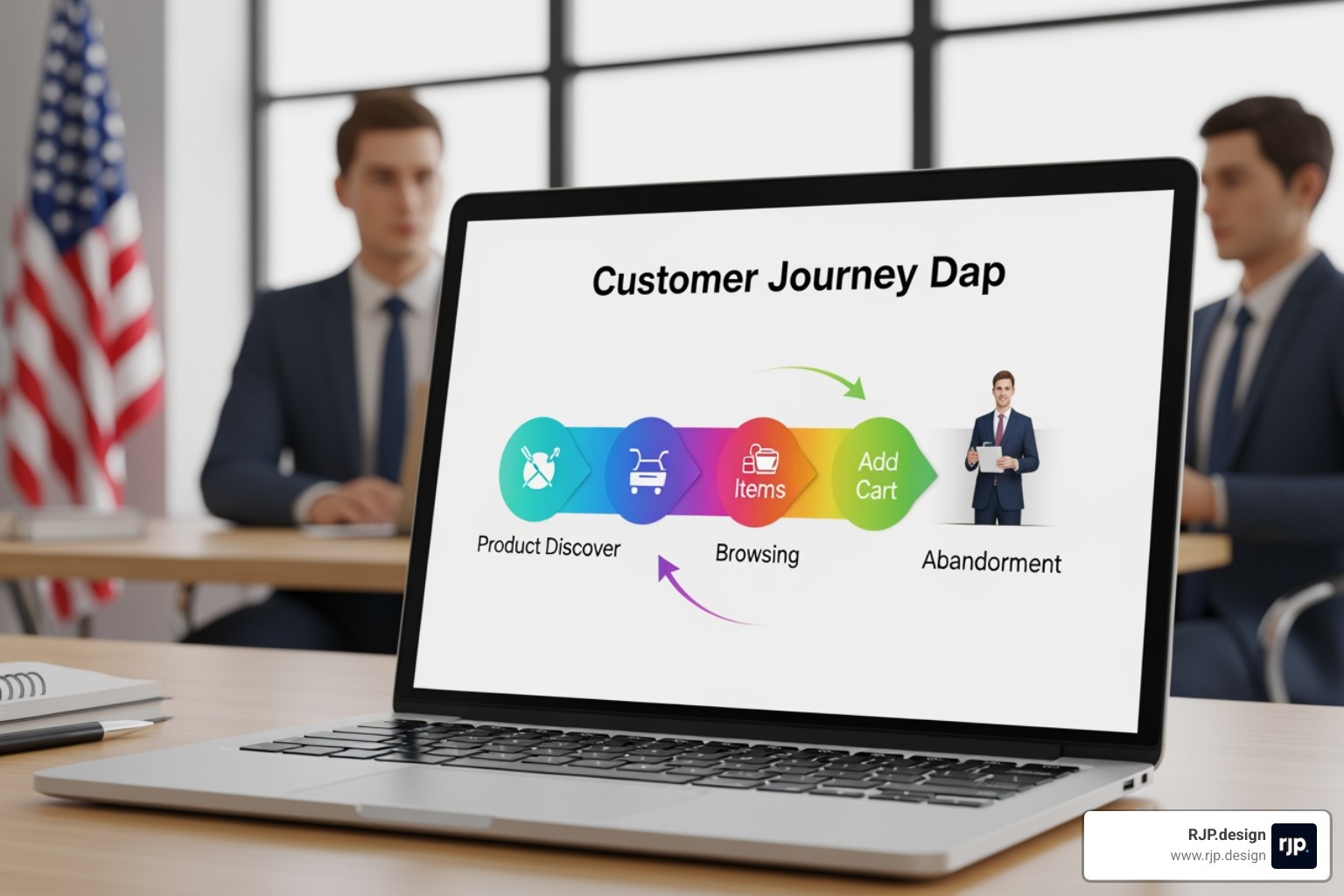
To truly master abandoned cart recovery, we have to look at the psychology of the modern shopper. Why do they click "Add to Cart" and then vanish? Often, it isn't a lack of interest; it’s a friction point in the user experience. According to Scientific research on cart abandonment, most users treat the cart as a "wishlist" or a place to calculate the final price including tax and shipping.
When we understand that the customer journey isn't a straight line, we can design our stores to accommodate these pauses. This is where ecommerce website design becomes critical. A well-designed site anticipates hesitation and provides the necessary trust signals to keep the user moving toward the "Buy Now" button.
Why Shoppers Leave: Understanding the 70% Abandonment Rate
Why is the abandonment rate so high? It usually boils down to a few major deal-breakers. Research shows that 48% of shoppers leave because extra costs—like shipping, taxes, and fees—were too high. Another 26% bail because the site wanted them to create an account.
Other common culprits include:
Security concerns: If the site looks "sketchy," customers won't hand over credit card info.
Slow delivery: In the age of next-day shipping, waiting two weeks is a no-go.
Complex checkout: If it takes more than a few clicks, people lose patience.
By using ecommerce-website-ab-testing, we can identify which of these factors is hurting your specific store and tweak the process to keep those carts full.
Mastering Abandoned Cart Recovery with Multi-Channel Automation
Timing is everything. Did you know that 45% of all cart recoveries occur within the first two hours? If you wait 24 hours to reach out, the "buying itch" has likely passed.
A modern abandoned cart recovery strategy uses a multi-channel approach:
The 1-Hour Mark: Send a friendly email reminder.
The 12-Hour Mark: Send an SMS or push notification for a more direct "nudge."
The 24-Hour Mark: Follow up with a limited-time discount or free shipping offer.
Combining email, SMS, and social media retargeting can increase your recovery rates by up to 45%. It’s about being where your customer is, without being "spammy."
High-Impact Email and SMS Recovery Tactics
When writing your recovery messages, skip the generic "You left something behind." Instead, use personalization. Mention the customer's name and include thumbnails of the exact items they were looking at.
Feature | Abandoned Cart Email | Abandoned Cart SMS |
|---|---|---|
Open Rate | ~45% | ~98% |
Best Use Case | Detailed summaries, trust building | Urgent reminders, quick nudges |
Best Timing | 1 hour & 24 hours | 2 hours - 6 hours |
Incentives | Coupons, reviews, "how to use" | Short-term discount codes |
Using unique, expiring coupons creates a "Fear Of Missing Out" (FOMO) that encourages immediate action. If they know that 10% discount expires in four hours, they are much more likely to complete the transaction.
Proactive Strategies to Reduce Cart Abandonment
Recovery is great, but prevention is better. We want to stop the leak before it starts. Here are a few ways to keep shoppers from leaving in the first place:
Guest Checkout: Don't force people to join your "club" just to buy a t-shirt.
Transparent Pricing: Show shipping costs on the product page, not the last page of checkout.
Progress Indicators: Let them know they are only "3 steps away" from finishing.
Mobile Optimization: Over 50% of traffic is mobile, so your checkout must be thumb-friendly.
When we build-custom-ecommerce-site solutions for our clients, these proactive features are baked into the core design to maximize the initial conversion rate.
Measuring Success: ROI and Recovery Benchmarks
How do you know if your abandoned cart recovery efforts are working? You need to track the right metrics. A "good" recovery rate typically falls between 3% and 5%, though some high-performing stores can recover up to 15-30% of their lost carts.
Key metrics to watch:
Open Rate: Are your subject lines catchy?
Click-Through Rate (CTR): Is the "Return to Cart" button easy to find?
Recovered Revenue: The actual dollar amount brought back into the business.
eRFM Modeling: This looks at Engagement, Recency, Frequency, and Monetary value to help you segment your customers for even better targeting.
Advanced Abandoned Cart Recovery Tools for WooCommerce
For those using WooCommerce, you have a wealth of tools at your fingertips. Plugins like FluentCRM or specialized recovery extensions allow for:
Real-time tracking: See exactly who is abandoning and what is in their cart.
Guest email capture: Use "exit-intent" popups to grab an email address before they close the tab.
Automated Coupons: Automatically generate a unique code for each user.
GDPR Compliance: Ensuring you have the right to contact the customer is vital for long-term brand health.
Properly setting up these tools is a major part of seo-for-online-stores, as it ensures that the traffic you work so hard to get actually turns into revenue.
Conclusion: Building a High-Conversion Future
At RJP.design, we believe that every abandoned cart is an opportunity to start a conversation. By implementing these 41 strategies, you aren't just "chasing sales"—you're improving the customer experience and building long-term loyalty.
Whether you need a complete overhaul of your checkout flow or want to set up high-performing automation sequences, our team is here to help. As a top-rated-ecommerce-development-agency, we specialize in turning "almost-buyers" into lifelong customers.
Ready to stop leaving money on the table? Start your recovery strategy today and let's win back those lost sales together.