
Web
Crafting the Perfect Online Storefront
Apr 9, 2026

Why Your Craft Store Website Is Your Most Powerful Sales Tool
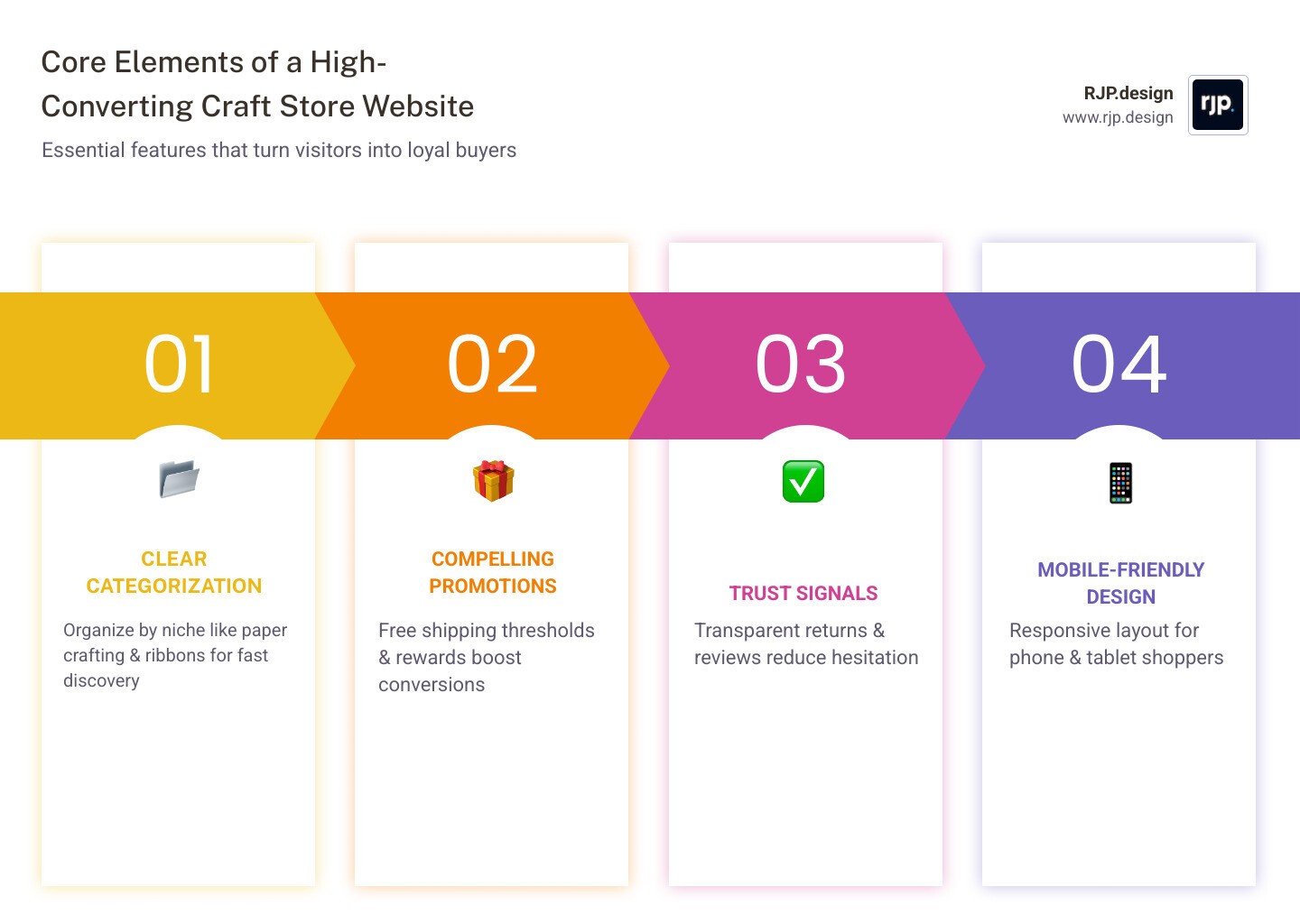
Building a successful craft store website comes down to a handful of core elements. Here's what you need to get right from the start:
Clear product categorization - Organize supplies by niche (paper crafting, ribbon, deco mesh, etc.) so shoppers find what they need fast
Compelling promotions - Free shipping thresholds, rewards programs, and seasonal deals drive conversions
Trust signals - Transparent return policies and customer reviews reduce purchase hesitation
Engaging content - Free resources like SVG files and project ideas keep crafters coming back
Mobile-friendly design - Most shoppers browse on their phones first
The craft supply market is competitive. Stores are out here offering same-day shipping, 90-day returns, and 5% rewards programs. Your website needs to keep pace.
And it's not just about looking pretty. A well-built craft store site turns casual browsers into loyal buyers — through smart navigation, seasonal promotions, and subscription offerings that create recurring revenue.
The difference between a craft store that thrives online and one that struggles often comes down to a single thing: how well the website is designed to serve the customer.
I'm Ross Plumer, a digital marketing and web design expert with experience helping businesses market over $20 million in revenue — including building high-converting craft store website experiences that attract customers and drive real sales. In the sections below, I'll walk you through exactly what makes a craft store website succeed.
Essential Features for a Successful Craft Store Website
When we sit down to design a craft store website, we aren't just thinking about colors and fonts. We are thinking about the "maker’s journey." Crafters are often visual, detail-oriented, and highly motivated by inspiration. If your website is cluttered or difficult to navigate, they will bounce to a competitor before they even see your beautiful selection of washi tape or watercolor sets.
A professional online presence requires a balance of aesthetics and high-performance functionality. This means ensuring your site is mobile-responsive, as many crafters look up tutorials or shop for supplies while sitting at their crafting table with a tablet or phone. Beyond that, high-quality imagery is non-negotiable. In the craft world, the "zoom" feature on a product photo can be the difference between a sale and a lost customer; they need to see the texture of the ribbon or the fine edge of a die-cut.
For a deeper dive into how design influences buyer behavior, check out our designer-retail-websites-guide.
Streamlined Navigation and Niche Categorization for a Craft Store Website
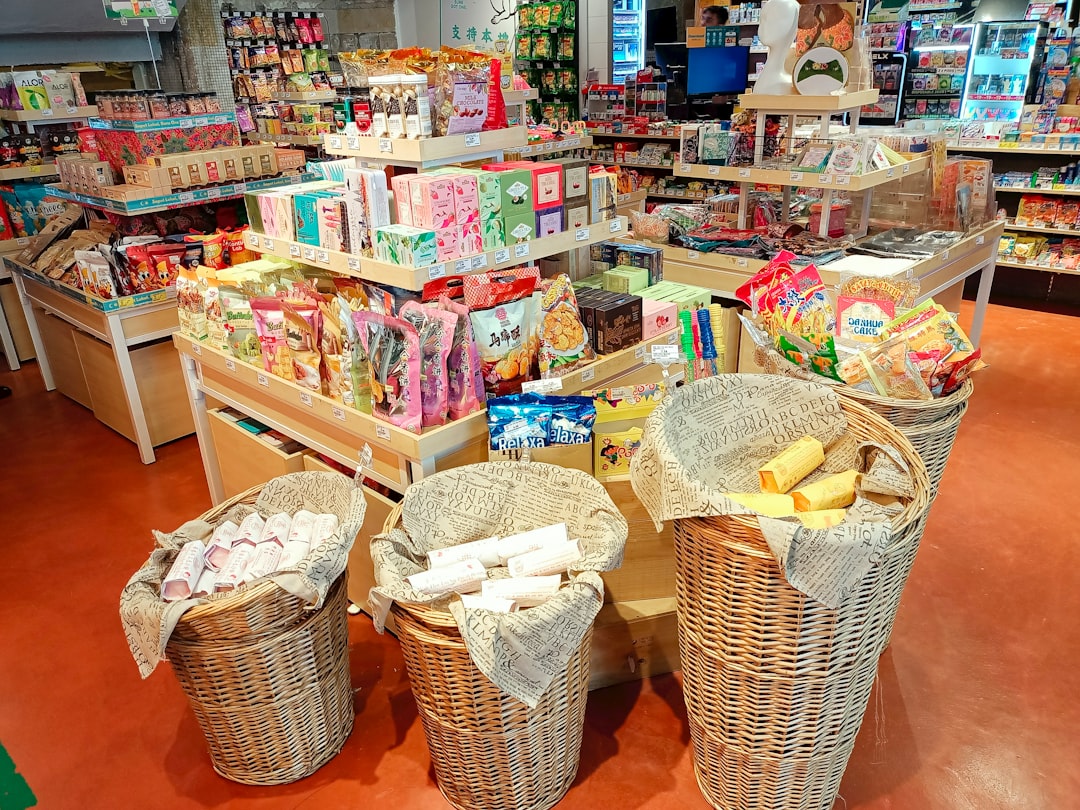
The sheer volume of SKUs in a typical craft store can be overwhelming. To prevent "choice paralysis," we recommend a navigation strategy that uses niche categorization. Instead of a generic "Supplies" tab, top-performing sites break things down into specific disciplines.
For example, look at how Hero Arts – Paper Crafting Supplies & Inspiration organizes their world. They don't just sell "stamps"; they categorize by Cling Stamps, Color Layering, and Infinity Dies. This allows a paper crafter to find exactly what they need in two clicks. Similarly, Dharma Trading Co. Homepage specializes in textile arts, making it easy to find fiber-reactive dyes and silk blanks. Even giants like Michaels use robust filtering for frames and seasonal decor to manage their massive inventory.
When we build a professional-online-shop, we prioritize this kind of logical flow. If you sell specialized items like chipboard, washi tape, or craft pens, they should each have a dedicated home. This not only helps the user but also tells search engines exactly what you sell, boosting your SEO.
Conversion-Driving Promotions and Shipping Policies
Let’s talk about the "cart killers": shipping costs and lack of incentives. In the craft industry, shipping can be tricky because items range from lightweight stickers to heavy jars of glass beads. Successful stores use tiered shipping or free shipping thresholds to encourage larger orders.
Based on our research of industry leaders, here is how the shipping landscape looks:
Retailer Type | Free Shipping Threshold | Standard Shipping Rates |
|---|---|---|
Art & Fine Craft | Orders $59+ | $7 under $35 / $3 for $35-$58.99 |
Paper & Scrapbook | Orders $69+ | Varies by weight |
Seasonal & Ribbon | Orders $69+ (Select States) | Same-day shipping available |
Beyond shipping, rewards programs are a massive driver of repeat business. Many stores offer a "5% back in rewards" program, which effectively gamifies the shopping experience. Tiered discounts are another great strategy. For instance, some shops allow you to mix and match items—like different styles of T-shirts for tie-dye—to hit a "bulk" discount level (e.g., buying 12+ items to unlock a lower unit price).
To understand how to integrate these features into your backend, see our retail-website-design-complete-guide.
Engaging Customers with Subscriptions and Free Resources on a Craft Store Website
One of the best ways to ensure consistent revenue is through subscription models. Hero Arts has mastered this with their "Hero Studio" options. They offer monthly kits ranging from $17.50 for layering stencils to $60.00 for a full card kit. This "set it and forget it" revenue is gold for a small business.
Furthermore, providing free value is the best way to build a community. CraftDirect.com: Paper Crafts, Scrapbook Supply, and More attracts thousands of visitors by offering hundreds of free SVG designs. When a customer downloads a free file for their Cricut or Silhouette machine, they are much more likely to buy the vinyl or cardstock they need for that project from the same site.
Interactive elements like a "New Release Blog" or a "Cricut Blog" keep your site fresh and give people a reason to visit even when they aren't ready to buy. This content-first approach is central to modern ecommerce-website-design.
Building Your Brand with a Professional Craft Store Website
Your brand is more than just a logo; it’s the feeling a customer gets when they land on your homepage. Is it a place of creativity and fun, or a cluttered warehouse? A professional craft store website should reflect the passion of the owner.
Take a leaf out of the book of successful lifestyle brands like Food52. While they focus on the kitchen, their model of combining content (recipes), commerce (shop), and community is the gold standard. They reach over 30 million people monthly by being a resource, not just a store. We apply these same principles when we show clients how-to-design-a-retail-website that stands out in a crowded market.
Leveraging Seasonal Trends and New Arrivals
The craft industry lives and breathes by the calendar. If your craft store website looks the same in October as it did in April, you are leaving money on the table. Seasonal updates are essential.
Current trends show a high demand for:
Halloween: Witch hat ribbons, glittered skull designs, and "monster head" floral picks.
Fall: Linen pumpkin ribbons in orange and teal, oak leaf sprays, and sunflower maple picks.
Christmas: Peppermint lollipops, "monster elf" plant enhancers, and velvet ball picks.
Managing this inventory requires a "New Arrivals" section that is updated frequently. Highlighting "What’s Hot" in specific categories—like Deco Mesh or Wreath Enhancements—helps guide the customer toward trending items. For inspiration on how to layout these seasonal sections, browse our gallery of the best-retail-website-designs.
Establishing Trust Through Clear Policies and Community
Trust is the currency of the internet. A first-time visitor needs to know that if they buy the wrong shade of yarn, they won't be stuck with it. Leading craft sites often offer a "90-day return policy" on unopened, unused supplies with no questions asked. This "no-risk" shopping experience is a powerful conversion tool.
We also recommend integrating your social media feeds directly onto your site. Whether it’s Instagram, Facebook, or TikTok, showing real people using your products to create real art builds immense social proof.
Don’t forget the power of email marketing. A simple prompt like "Join our list for weekly ads and project ideas" can turn a one-time visitor into a long-term fan. If you need help setting up these automated systems, our guide on gift-shop-website design covers many of these "community-building" features.
Conclusion: Partnering for Digital Success
Creating the perfect craft store website is a journey, much like the crafts your customers love to make. It requires patience, the right tools, and a clear vision. From tiered shipping and 5% reward points to seasonal "stocking stuffer" collections under $25, every detail matters.
At RJP.design, we understand that you’d rather spend your time sourcing beautiful beads or designing new stamps than worrying about mobile responsiveness or SEO tags. Our down-to-earth team prioritizes your satisfaction, ensuring your online storefront is as vibrant and creative as the products you sell.
We don't just build websites; we build growth engines. Whether you are looking for a custom web development project or a comprehensive SEO strategy to ensure you're found by makers worldwide, we are here to help.
Ready to take your craft business to the next level? Explore our best retail website designs and let’s start crafting your digital future today.