Web
The Ultimate Hunt: Where to Get High-Quality Backlinks for Free
Jul 20, 2026

Why Finding the Right Backlink Sources Can Make or Break Your Rankings
Where to get backlinks? is one of the most common questions small business owners ask when they realize their website isn't showing up in search results — despite having great content and a solid product or service.
Here are the best places to get high-quality backlinks, fast:
Directory and profile listings — Google Business Profile, Yelp, Crunchbase, and industry-specific directories
Guest posting — Write articles for reputable websites in your niche that include a link back to your site
HARO alternatives — Platforms like Connectively, Featured.com, and Qwoted connect you with journalists who need expert sources
Resource pages — Find curated link lists in your industry and pitch your content for inclusion
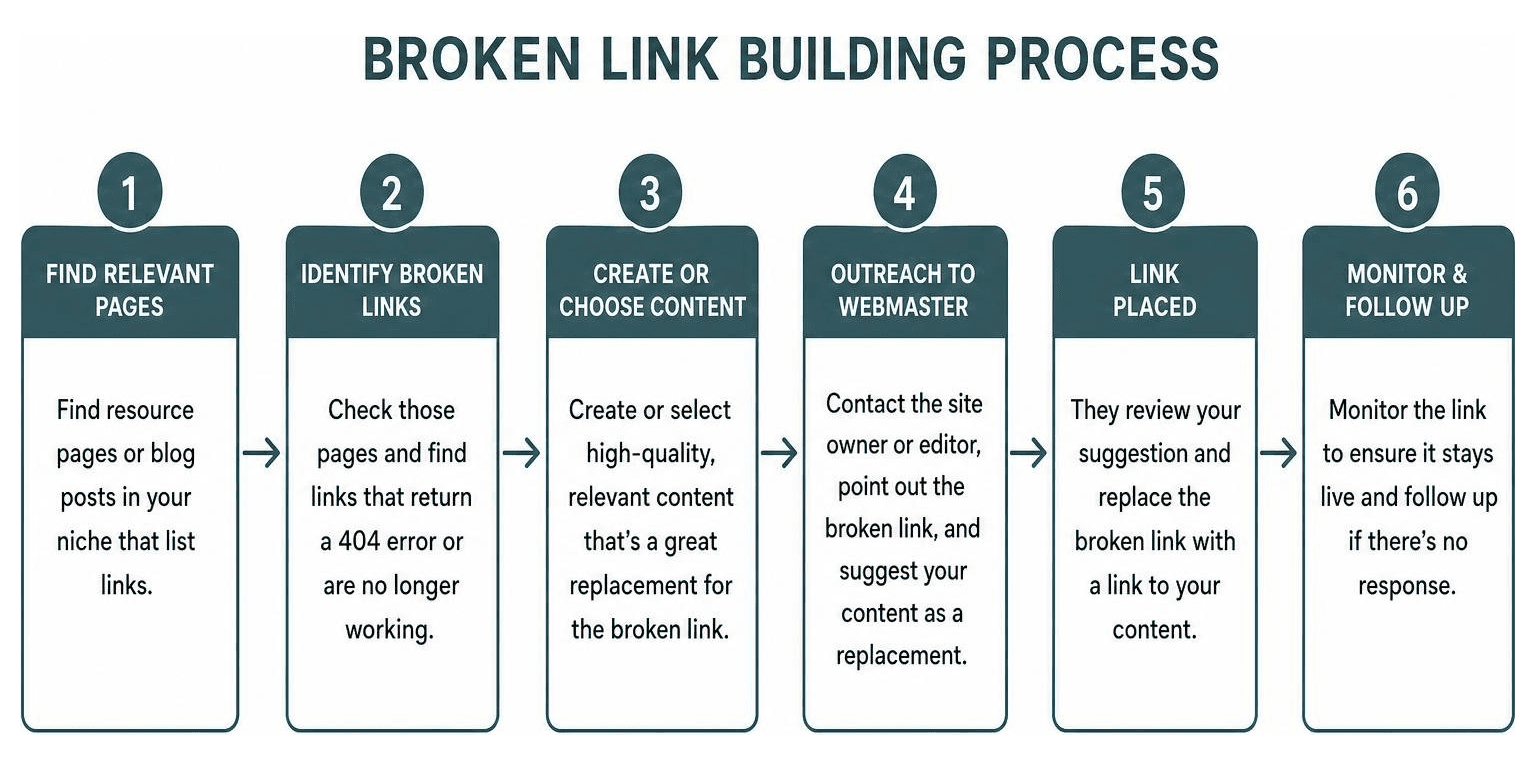
Broken link building — Find dead links on other sites and offer your content as a replacement
Unlinked brand mentions — Find places that mention your business without linking, and ask them to add a link
Podcast appearances — Guest spots that publish transcripts or show notes on their websites
Original research and data — Publish stats or studies that other writers naturally want to cite
Community platforms — Quora, Reddit, and niche forums where helpful answers can include contextual links
Competitor backlink replication — Use SEO tools to find who links to your competitors and pitch those same sites
The stakes are real. Pages ranking in Google's top three positions have significantly more backlinks than those ranking below position 10. For competitive industries like finance, legal, or insurance, you may need 500 or more authoritative referring domains before you crack the top 10. But even for lower-competition keywords, just 10 to 50 quality links pointing to a well-optimized page can be enough to reach the first page.
And here's what many business owners miss in 2026: backlinks don't just influence Google rankings anymore. They also shape how AI platforms like ChatGPT, Perplexity, and Google AI Overviews decide which brands to cite and recommend. When authoritative sites link to you, it signals to both search engines and AI systems that your brand is trustworthy and worth surfacing.
The challenge? Most publicly available "free backlink lists" are outdated, full of expired domains, and mislabeled as do-follow when they're not. In one analysis of a 3,000-link list, only 48 were found to be valid, free do-follow links. That's a 98% failure rate — which is exactly why knowing where to look matters so much.
I'm Ross Plumer, a digital marketer who has worked with businesses generating over $20 million in revenue, with hands-on experience developing link-building strategies that answer the question of where to get backlinks in a way that actually moves the needle. In this guide, I'll walk you through the most effective, penalty-free sources and tactics available in 2026, so you can build authority without wasting time on dead ends.

Key terms for Where to get backlinks?:
Where to Get Backlinks?
When we look at how search engines evaluate websites, we have to talk about trust. Search engines like Google use sophisticated algorithms to crawl the web, and backlinks are essentially "votes of confidence" from one site to another. Historically built on the foundation of Google's PageRank algorithm, link equity continues to be a primary ranking factor.

To succeed with modern search algorithms, we must understand how external links relate to Google's E-E-A-T (Experience, Expertise, Authoritativeness, and Trustworthiness) framework. When a reputable website in your industry links to your content, it passes on authority and signals to Google that your site is a trusted resource. To understand how off-page authority fits into your broader digital marketing framework, explore our comprehensive guide on What is Off-Page SEO.
What Are Backlinks and Why Do They Matter?
In 2026, the definition of link value has expanded. While traditional search engines still rely on backlinks to map out the web and rank content, modern Large Language Models (LLMs) and AI search engines use them as crucial training signals.
When platforms like Perplexity, Gemini, or ChatGPT crawl the web, they look for "co-citation proximity." This means that if your brand is consistently mentioned and linked alongside established industry leaders, AI models learn to associate your business with that specific topic. Securing links on authoritative sites doesn't just push you to the top of Google’s search results; it ensures your brand is cited in AI-generated answers.
To learn more about how to navigate this shifting landscape, check out How to Get Backlinks: 8 Tactics That Build Authority on Google and in AI | Fokal Guides for a deeper dive into modern trust signals.
Where to Get Backlinks for Free Without Penalties?
If you are operating on a tight budget, you might be tempted to download a free list of thousands of backlinks or use automated software. We strongly advise against this. Cheap, automated link building is a quick way to trigger a Google spam penalty, which can wipe out your search visibility overnight.
Instead, focus on manually building high-quality, foundational backlinks. These are safe, natural links that establish your brand's baseline authority:
Google Business Profile & Yelp: Essential directories that establish your physical and geographic presence.
Professional & Industry Profiles: Creating complete profiles on highly authoritative platforms like Crunchbase, GitHub, or ProductHunt.
Community Contributions: Providing deeply helpful, non-spammy answers on platforms like Quora or Reddit that link back to relevant resources on your site.
The secret to making these profile links work is indexation. Google will not pass any authority from a profile page if it doesn't index the page. To get these pages indexed, avoid using the exact same generic bio on every site. Write unique, valuable descriptions for each profile, upload images, and link them to your active social media accounts.
For local businesses, building these foundational links is the cornerstone of local visibility. You can read more about constructing these local trust signals in our guides on Local SEO Link Building and Business Citations for SEO. If you want to quickly identify valid platforms to manually build these initial links, you can use the Free Backlink Generator – Build Links Fast | Linkscope to discover high-authority opportunities sorted by niche.
Where to Get Backlinks Using Competitor Gaps?
One of the smartest ways to find high-value link opportunities is to look at who is already linking to your competitors. If a website is linking to two or three of your direct competitors, there is a very high probability they would be willing to link to you as well.
This process is called a "link gap analysis." By plugging your competitors' domains into an SEO tool, you can extract a list of websites that link to them but not to you.
Additionally, we can look for "unlinked brand mentions." Often, bloggers, local news outlets, or partners will mention your business name in an article but forget to make it a clickable link. By searching for your brand name (using Google search operators like "Brand Name" -site:yourdomain.com), you can find these mentions. A polite, friendly email to the writer or editor asking them to turn that mention into a link often yields a very high success rate. For a step-by-step workflow on how to execute this, check out How to Find Backlink Opportunities (Practical Guide) .
To integrate these insights into a broader campaign, explore our collection of Off-Page SEO Strategies.
How to Find and Fix Broken Links
Broken link building is an evergreen, highly effective outreach tactic because you are offering immediate value to the website owner.
When a website updates its structure or goes out of business, the links pointing to it break, leaving the publisher with "404 errors" on their pages. This hurts their user experience and their SEO. By finding these dead links on industry resource pages or blogs, you can reach out to the webmaster, point out the broken link, and suggest your own high-quality content as a perfect replacement.
You can also use this tactic to reclaim your own lost link equity. If you have changed URLs on your website over the years, some of your hard-earned backlinks might be pointing to dead pages on your own site. By running a quick audit, you can redirect those old URLs to active pages, instantly restoring the lost authority. For a complete look at how to execute this, check out Link Building and Off-Page SEO and read How to Get Backlinks in 2026: 10 Tactics That Actually Work .
Dofollow vs. Nofollow: Understanding Link Types
Not all backlinks are created equal. When search engines crawl a link, they look at the HTML attributes attached to it to determine how to treat the link equity.
Here is a quick comparison of the primary link types you will encounter:
Link Attribute | HTML Tag Example | How Search Engines Treat It | Best Used For |
|---|---|---|---|
Dofollow |
| Passes PageRank and directly influences search engine rankings. | Editorial links, earned guest posts, resource pages. |
Nofollow |
| Does not pass PageRank. Google treats it as a "hint" for context. | Blog comments, forum posts, general profiles. |
Sponsored |
| Identifies paid placements or advertisements. Passes no authority. | Paid partnerships, banner ads, sponsored reviews. |
UGC |
| Identifies User-Generated Content. Passes little to no authority. | Links within forum threads, community boards. |
While dofollow links are the primary target for boosting domain authority, a natural backlink profile should contain a healthy mix of all these link types. If 100% of your links are dofollow, it looks artificial to search engine web-spam teams. To explore this classification further, read the Definitive Backlink Building Guide (2025) — Aergos Blog .
How Many Links Do You Need and How Long Does It Take?
We often get asked: "How many backlinks do I need to rank on the first page?" The honest answer is that it depends entirely on your industry and the keyword competition.
Low-Competition Keywords: 10 to 50 quality backlinks pointing to a well-optimized page are often enough to reach page one.
Medium-Competition Keywords: Typically require 50 to 200 referring domains.
High-Competition Keywords: (e.g., finance, legal, real estate) can require 500+ authoritative domains to break into the top 10.
It is also important to set realistic expectations for timing. Link building is a long-term investment. Google typically discovers and indexes new links within 2 to 8 weeks, but it can take 1 to 3 months to see a noticeable impact on your search rankings. This authority continues to compound over 6 to 12 months.
To scale your outreach efforts without losing the human touch, tools like BacklinkGPT – The AI Agent That Hunts Backlinks for You | BacklinkGPT can help automate the tedious prospecting phase, allowing you to focus on building real relationships with publishers.
Conclusion: Your Next Steps for Off-Page SEO
Answering the question of where to get backlinks is only the first step. The real magic happens when you commit to a consistent, high-quality strategy. Link building is not about mass-producing low-quality spam; it is about building genuine digital relationships, creating incredible resources, and earning the trust of both search engines and AI platforms.
At RJP.design, we specialize in building stunning, high-performing websites and developing custom SEO strategies that help businesses stand out online. Our down-to-earth team prioritizes client satisfaction, ensuring your digital presence looks amazing and is easy for your target audience to find.
If you are ready to stop hunting for links and start growing your organic traffic, let us handle the heavy lifting. Explore our SEO Optimization Services today, and let's build something great together!